
BIPV
July 12, 2024
The success of any solar panel installation hinges on meticulous planning, precise execution, and attention to detail. Among the critical factors that determine the outcome of the installation process are tolerances and the integrity of the back-up wall. In this comprehensive guide, we'll explore the significance of tolerances and the importance of a robust back-up wall in achieving a successful solar panel installation, with insights from Mitrex, a leader in innovative solar solutions.
Tolerances in cladding are the permissible variations in dimensions and positioning during installation, ensuring panels fit correctly and perform optimally. Key aspects include dimensional accuracy, alignment, bracket positioning, and allowances for thermal movement. In addition to that there are other consideration for solar panel integrated cladding:
The back-up wall serves as the foundation and support structure for solar panel installations, providing stability and anchorage for mounting systems. A robust back-up wall is essential for ensuring the structural integrity and longevity of the installation. Here's why the back-up wall is a critical component of a successful solar panel installation:
However, the necessity of a back-up wall is specific to Mitrex's CladiShield Rainscreen System. In Mitrex's CladiFab Prefab System and Claditized Unitized System, connections are made slab to slab, and thus back-up walls are not necessary. This method simplifies the installation process and reduces the potential for alignment issues, focusing on structural studs for support instead.
Achieving a successful solar panel installation requires meticulous attention to tolerances and the implementation of a robust back-up wall. By understanding and adhering to tolerances for alignment, spacing, and structural integrity, installers can ensure the efficiency, reliability, and longevity of the installation. Likewise, investing in a sturdy and well-engineered back-up wall is essential for providing the foundation and support necessary to withstand the rigors of solar panel deployment. With careful planning and execution, Mitrex ensures that solar panel installations deliver optimal performance and energy savings for years to come.
News & Articles
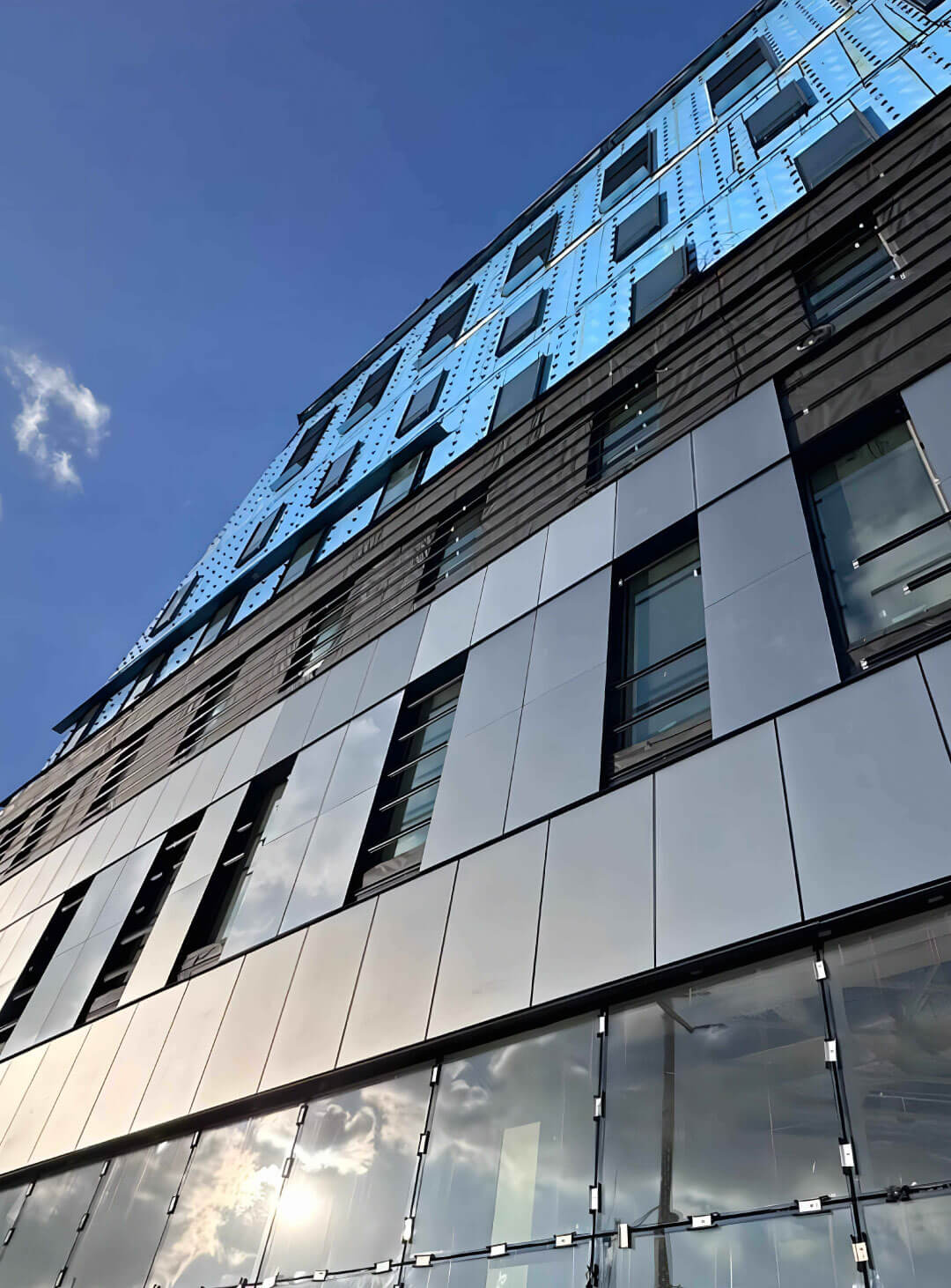

Mitrex solar facades combine the function of building cladding with long-term on-site energy generation, transforming the building envelope into an income-generating asset. While upfront costs may exceed conventional materials in some scenarios, stacked incentives, operational savings, and long-term durability significantly improve lifecycle value and payback performance.
Mitrex solar facades combine the function of building cladding with long-term on-site energy generation, transforming the building envelope into an income-generating asset. While upfront costs may exceed conventional materials in some scenarios, stacked incentives, operational savings, and long-term durability significantly improve lifecycle value and payback performance.

Buildings account for a significant share of global carbon emissions, driven by both operational energy use and embodied carbon in construction materials. Building-Integrated Photovoltaics (BIPV) offer a unique opportunity to address both challenges simultaneously. By integrating solar energy generation directly into the building envelope, Mitrex BIPV systems enable buildings to generate clean electricity onsite while contributing to long-term energy efficiency and sustainability goals.
Buildings account for a significant share of global carbon emissions, driven by both operational energy use and embodied carbon in construction materials. Building-Integrated Photovoltaics (BIPV) offer a unique opportunity to address both challenges simultaneously. By integrating solar energy generation directly into the building envelope, Mitrex BIPV systems enable buildings to generate clean electricity onsite while contributing to long-term energy efficiency and sustainability goals.
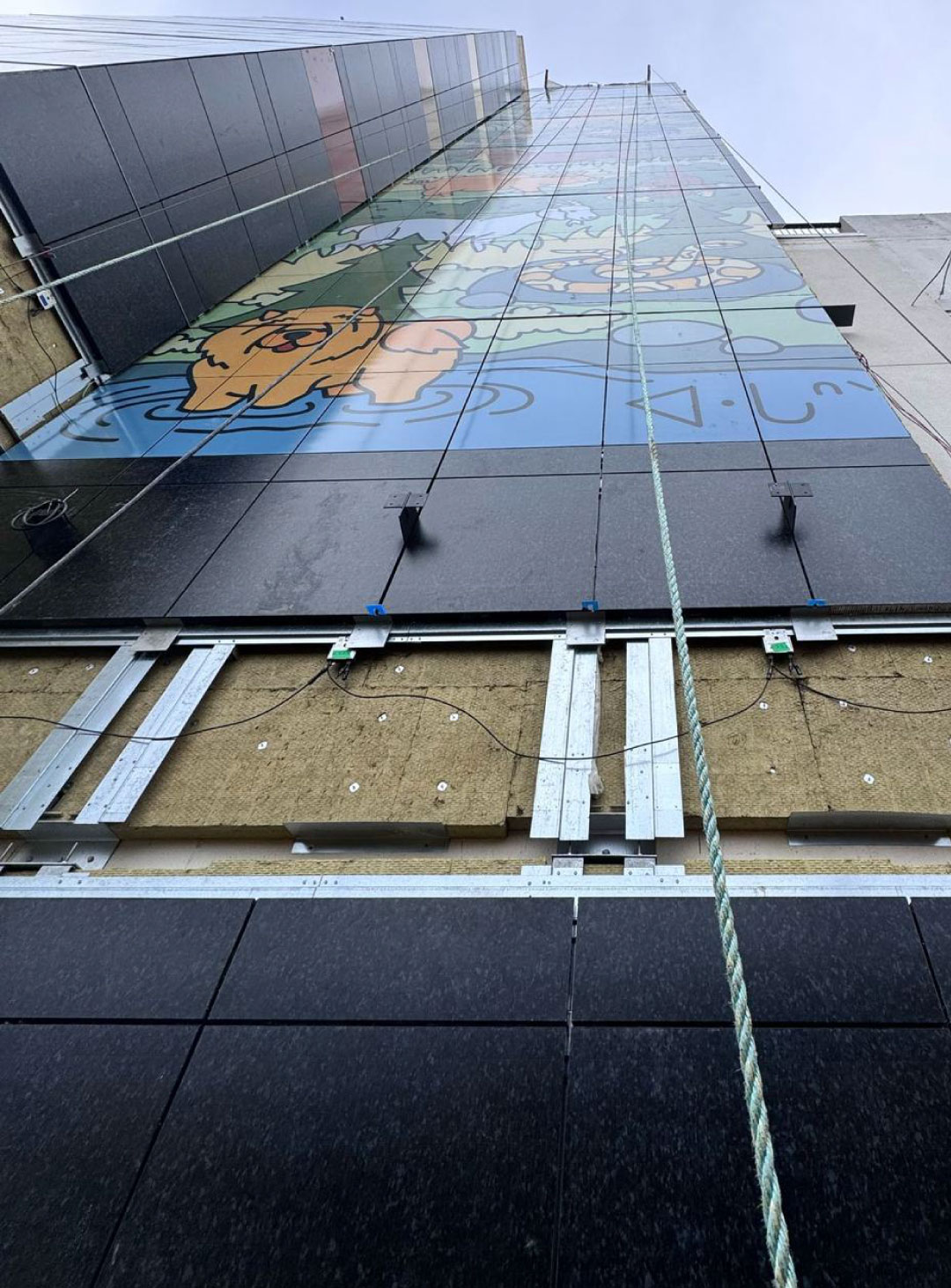
This guide outlines the full retrofit process for integrating Mitrex building-integrated photovoltaics (BIPV) into existing facades. It walks property owners and contractors through evaluating retrofit goals, structural assessment, code compliance, design assist, installation sequencing, long-term maintenance, and quality assurance, supported with real-world examples from Mitrex retrofit projects.
This guide outlines the full retrofit process for integrating Mitrex building-integrated photovoltaics (BIPV) into existing facades. It walks property owners and contractors through evaluating retrofit goals, structural assessment, code compliance, design assist, installation sequencing, long-term maintenance, and quality assurance, supported with real-world examples from Mitrex retrofit projects.



.svg)
