
BIPV
April 1, 2026
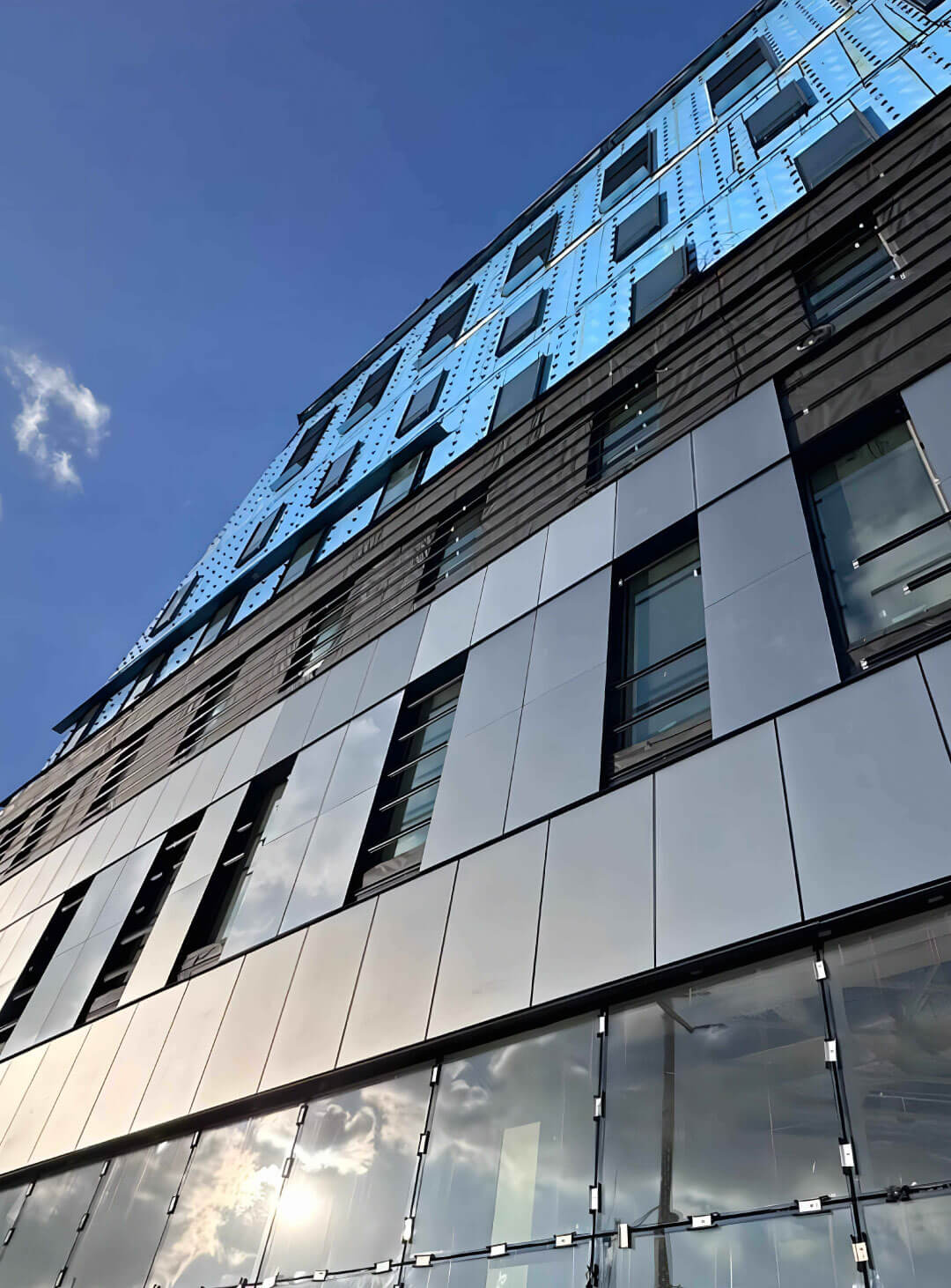
The building envelope plays a critical role in overall building performance. Traditionally, facades function only as protective layers that manage thermal performance, moisture control, and aesthetics. However, Mitrex Building-Integrated Photovoltaics (BIPV) allows facades to serve an additional purpose: energy generation.
BIPV transforms exterior surfaces into clean energy infrastructure. Instead of relying solely on rooftop solar installations, vertical surfaces can generate electricity throughout the building’s operational life.
This approach offers two major sustainability benefits:
As buildings increasingly pursue net-zero or low-carbon targets, integrating energy generation directly into the facade has become an important strategy for developers and architects seeking long-term energy performance.
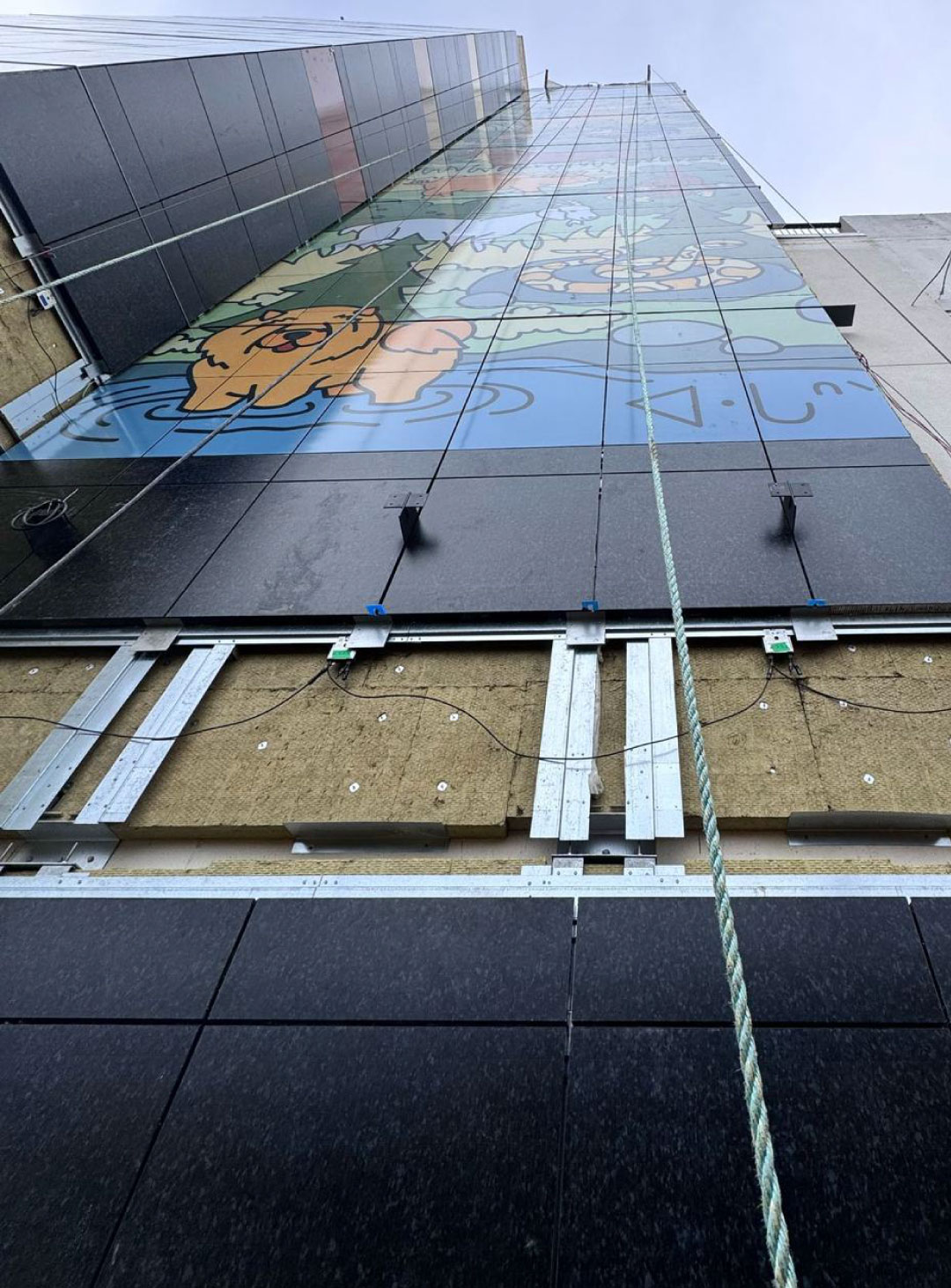
Mitrex BIPV products convert sunlight into electricity through integrated photovoltaic cells within facade panels. These systems function as both cladding material and energy-generating infrastructure, replacing conventional facade components while producing renewable electricity.
Because BIPV replaces traditional cladding rather than being added as a secondary system, it allows energy generation to be incorporated without additional building footprint or structural space requirements.
The impact of this approach is measurable. Across all Mitrex projects, BIPV systems generate 2,725,800 kWh of clean electricity a year, avoiding 1,831 metric tonnes of carbon dioxide emissions.
To contextualize that impact:
These figures demonstrate that building-integrated solar solutions can deliver measurable environmental benefits even during the lower solar production months in North America.
Energy-generating facades help project teams meet a growing number of sustainability and regulatory objectives.
Many commercial developments now pursue green building certifications, such as:
By producing renewable electricity onsite, BIPV systems contribute to reductions in operational energy demand while supporting project sustainability benchmarks.
In addition, solar facade systems may contribute to eligibility for government incentives and tax credits in certain jurisdictions, helping offset project costs while improving environmental performance.
The impact of solar facades is already visible across completed developments.
For example, the SunRise project in Alberta demonstrates how energy-generating building materials can combine architectural design with large-scale renewable energy production. The installation spans 34,500 square feet of solar facade surface, producing approximately 267 kW of power capacity while maintaining a striking architectural visual identity.
A strong example of large-scale solar facade integration can be seen at the University of Toronto Scarborough’s Myron and Berna Garron Health Sciences Complex (SAMIH).
The project integrates approximately 513 kW of BIPV directly into the building facade,
The system is expected to generate roughly 420,000 kWh of electricity annually, demonstrating how vertical building surfaces can contribute meaningful renewable energy production in dense institutional environments.
These examples demonstrate how BIPV can be applied across both new construction and retrofit projects, helping buildings transition toward cleaner energy systems.
Beyond emissions reduction, solar facades can provide meaningful operational benefits throughout the building lifecycle.
On-site electricity generation reduces long-term energy purchases from the grid, helping stabilize operational costs over time. As electricity prices continue to fluctuate, the ability to generate power directly from the building envelope becomes increasingly valuable for asset owners.
Solar facade systems also produce electricity during peak daylight hours, which often aligns with peak building energy demand for cooling, lighting, and equipment operation.
Over time, this combination of renewable energy generation and reduced grid dependence can significantly improve the building’s operational efficiency and sustainability profile.
One advantage of BIPV technology is its ability to integrate seamlessly into architectural design.
Mitrex solar panels are manufactured as architectural cladding systems available in a wide range of colours, textures, and finishes. This flexibility allows architects to incorporate renewable energy without compromising aesthetic goals or facade performance.
The systems are engineered to function as part of the complete building envelope, supporting structural integration, weather resistance, and long-term durability requirements.
Because the panels are integrated into the facade assembly itself, BIPV becomes part of the building’s architectural identity rather than appearing as an added mechanical component.
As cities and governments continue to implement stricter carbon reduction policies, the construction industry faces increasing pressure to reduce emissions across both new developments and existing building stock.
Solar facades represent a scalable solution that aligns architecture, engineering, and sustainability objectives. By turning exterior building surfaces into renewable energy infrastructure, BIPV technology allows buildings to contribute directly to the transition toward cleaner energy systems.
For developers, architects, and building owners, integrating solar into the building envelope offers a practical pathway toward reducing operational emissions while improving long-term building performance.
To explore how solar facades can support sustainable building design, visit:
Mitrex Projects
https://www.mitrex.com/projects
Mitrex Design Assist
https://www.mitrex.com/design-assist
Contact Mitrex
https://www.mitrex.com/contact-us
News & Articles

Mitrex solar facades combine the function of building cladding with long-term on-site energy generation, transforming the building envelope into an income-generating asset. While upfront costs may exceed conventional materials in some scenarios, stacked incentives, operational savings, and long-term durability significantly improve lifecycle value and payback performance.
Mitrex solar facades combine the function of building cladding with long-term on-site energy generation, transforming the building envelope into an income-generating asset. While upfront costs may exceed conventional materials in some scenarios, stacked incentives, operational savings, and long-term durability significantly improve lifecycle value and payback performance.
This guide outlines the full retrofit process for integrating Mitrex building-integrated photovoltaics (BIPV) into existing facades. It walks property owners and contractors through evaluating retrofit goals, structural assessment, code compliance, design assist, installation sequencing, long-term maintenance, and quality assurance, supported with real-world examples from Mitrex retrofit projects.
This guide outlines the full retrofit process for integrating Mitrex building-integrated photovoltaics (BIPV) into existing facades. It walks property owners and contractors through evaluating retrofit goals, structural assessment, code compliance, design assist, installation sequencing, long-term maintenance, and quality assurance, supported with real-world examples from Mitrex retrofit projects.

Mitrex BIPV is engineered to match—and exceed—the lifespan of high-performance building envelope systems, delivering structural durability, long-term energy output, and measurable sustainability benefits. This article outlines the testing, certifications, and warranties behind solar facades designed to perform for decades across global climates and project types.
Mitrex BIPV is engineered to match—and exceed—the lifespan of high-performance building envelope systems, delivering structural durability, long-term energy output, and measurable sustainability benefits. This article outlines the testing, certifications, and warranties behind solar facades designed to perform for decades across global climates and project types.



.svg)
