Explore BIPV
By Category
Building-Integrated Photovoltaic Products Explained
Explore BIPV
By Category
The BIPV Product Range
Not all BIPV is the same. Building-integrated photovoltaic technology spans a full range of products designed to work across every applicable surface of the building envelope - from opaque cladding panels that replace conventional rainscreen systems to transparent glazing units that generate electricity while admitting light.
The right product depends on the building surface, the architectural intent, and the desired balance between energy performance and design. Mitrex manufactures both opaque and transparent BIPV products, covering facades, glass, roofing, railings, parking structures, and noise barriers - every surface a building presents to the sun.

Opaque BIPV uses a solid tempered glass facing to conceal photovoltaic cells while delivering high energy output. The facing is coated in any colour, pattern, or texture - making the system visually indistinguishable from conventional cladding. The Mitrex eFacade product line is the most widely deployed opaque BIPV system and comes in four configurations: eFacade LITE for fast retrofit deployment in five standard colours, eFacade PRO for full architectural customization, eFacade PRO+ for high-specification projects, and eFacade TILT for maximum energy capture through angled module orientation. Additional opaque products include solar roofing, solar noise barriers, and solar parking canopies.
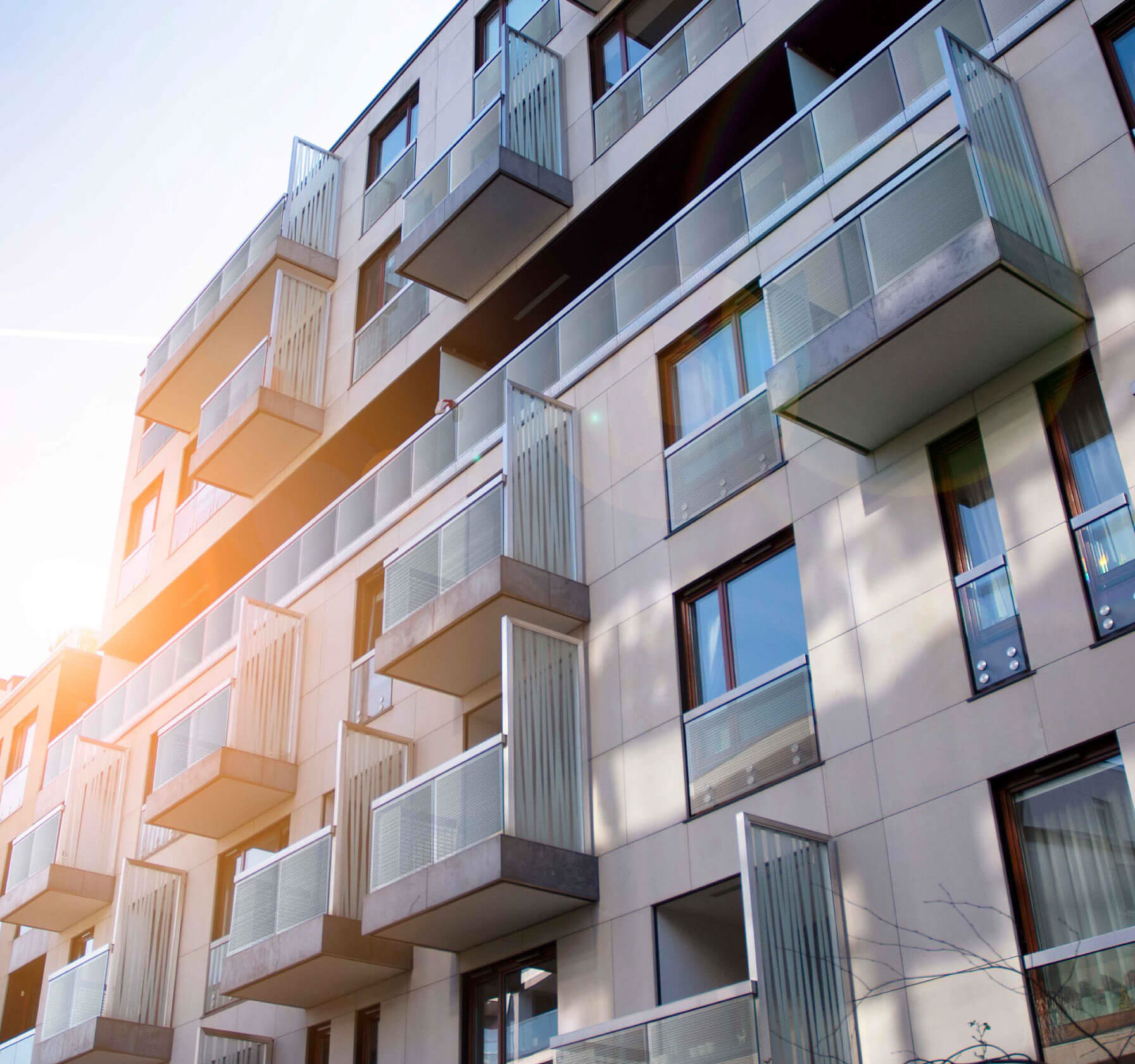
Transparent BIPV uses thin-film photovoltaic technology to generate electricity while allowing light to pass through the glass. Transparency level is adjustable depending on the thin-film deposition, giving architects precise control over daylighting and energy performance in a single glazing unit. Mitrex transparent BIPV products include Solar Glass for curtain walls, skylights, and spandrel panels; SolaRail for balustrade and guardrail infills on balconies, rooftop parapets, and stairwells; and Solar Greenhouse panels for semi-transparent agricultural applications. All transparent products replace conventional glazing directly with no change to the structural system.
It is applicable to curtain walls, skylights, atriums, balconies, and parapets, with the thin-film solar layer laminated between glass panes so it remains invisible to the eye. Transparency levels are variable and can be tuned to suit each project's daylighting requirements.

Opaque BIPV delivers higher energy output per module and is best suited for solid cladding elevations where maximum generation is the priority. Transparent BIPV trades some efficiency for visibility through the glass, making it the right choice for glazed surfaces where daylighting or visual transparency is architecturally required. In practice, most large commercial projects specify both. Opaque eFacade panels cover the solid cladding areas for maximum output; Solar Glass and SolaRail cover the glazed zones. The combination turns the entire building envelope into a generation asset - no surface left generating zero.

Beyond the modules themselves, Mitrex offers three integrated wall systems that determine how BIPV panels attach to and interface with the building structure. CladiShield is a conventional rainscreen subframe configuration for standard facade applications. CladiFab is a factory-assembled panel system that reduces on-site installation time and labour. Claditized is a unitized curtain wall configuration engineered for high-rise and complex facade geometries. Each system is designed for seamless integration of Mitrex BIPV modules with provisions for concealed wiring and electrical connections built in.
These systems range from CladiShield, a rainscreen subframe configuration suited to standard facade applications, to CladiFab, which uses prefabricated panels to reduce on-site installation complexity, to Claditized, a unitized curtain wall system engineered for high-rise and complex geometries.
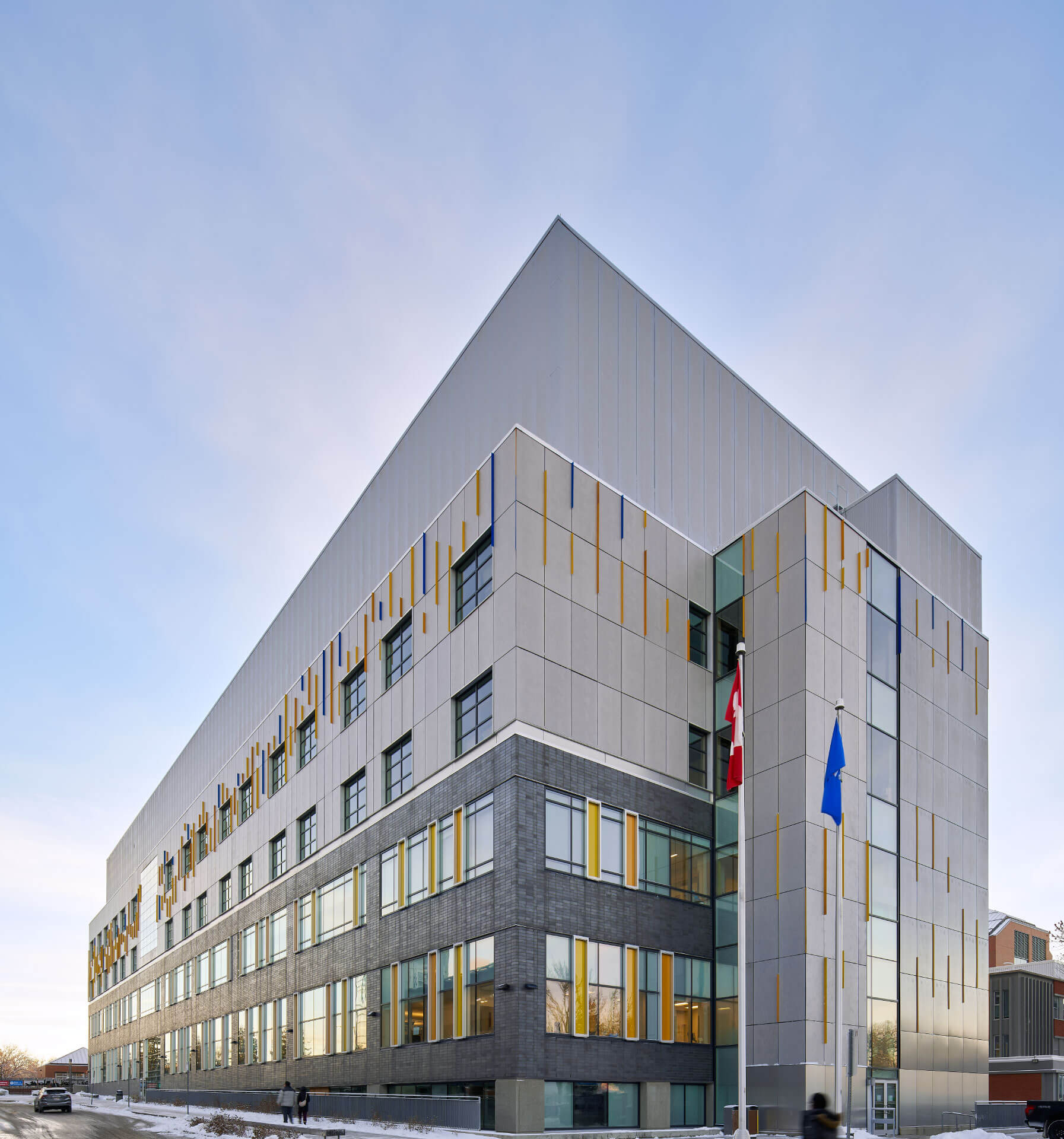
Solar facades are the most widely deployed BIPV product in commercial construction. The Mitrex eFacade replaces conventional rainscreen cladding directly, making it the most straightforward integration point on most building types.
Opaque BIPV conceals the photovoltaic cells behind a solid glass facing and delivers higher energy output per module. Transparent BIPV uses thin-film technology to allow light through the panel, enabling use in windows, curtain walls, skylights, and balustrade applications where visibility is required.
Yes. Most large commercial projects specify multiple product types across different surfaces. Opaque facade panels cover solid cladding areas, Solar Glass covers curtain wall zones, and SolaRail covers balustrade areas. A single building can incorporate the full Mitrex product range.
Yes. eFacade PRO and PRO+ are fully customizable in colour, texture, size, and cell layout. eFacade LITE is available in five standard colours. Custom colour matching is available for projects requiring specific architectural finishes.
Mitrex products are certified to NFPA 285 (fire propagation), EN 13501 (fire classification), IEC/UL 61730 (PV module safety), and ASTM E330 (structural performance under wind load). Full documentation is available in the Mitrex downloads section.
The right product depends on the building surface, orientation, and architectural requirements. Opaque products are recommended for solid cladding elevations prioritizing energy output. Transparent products are recommended wherever glazing, daylighting, or visibility through the surface is required. Mitrex provides product recommendations as part of the project analysis process.
Projects
Each of our projects is a story of innovation and sustainable architecture.



.svg)