BIPV for Retrofits
Why Use BIPVs in Retrofits?
Scroll down
.jpg)
Why Use BIPVs in Retrofits?
Explore BIPV By
Industry Sector
BIPV & Retrofits
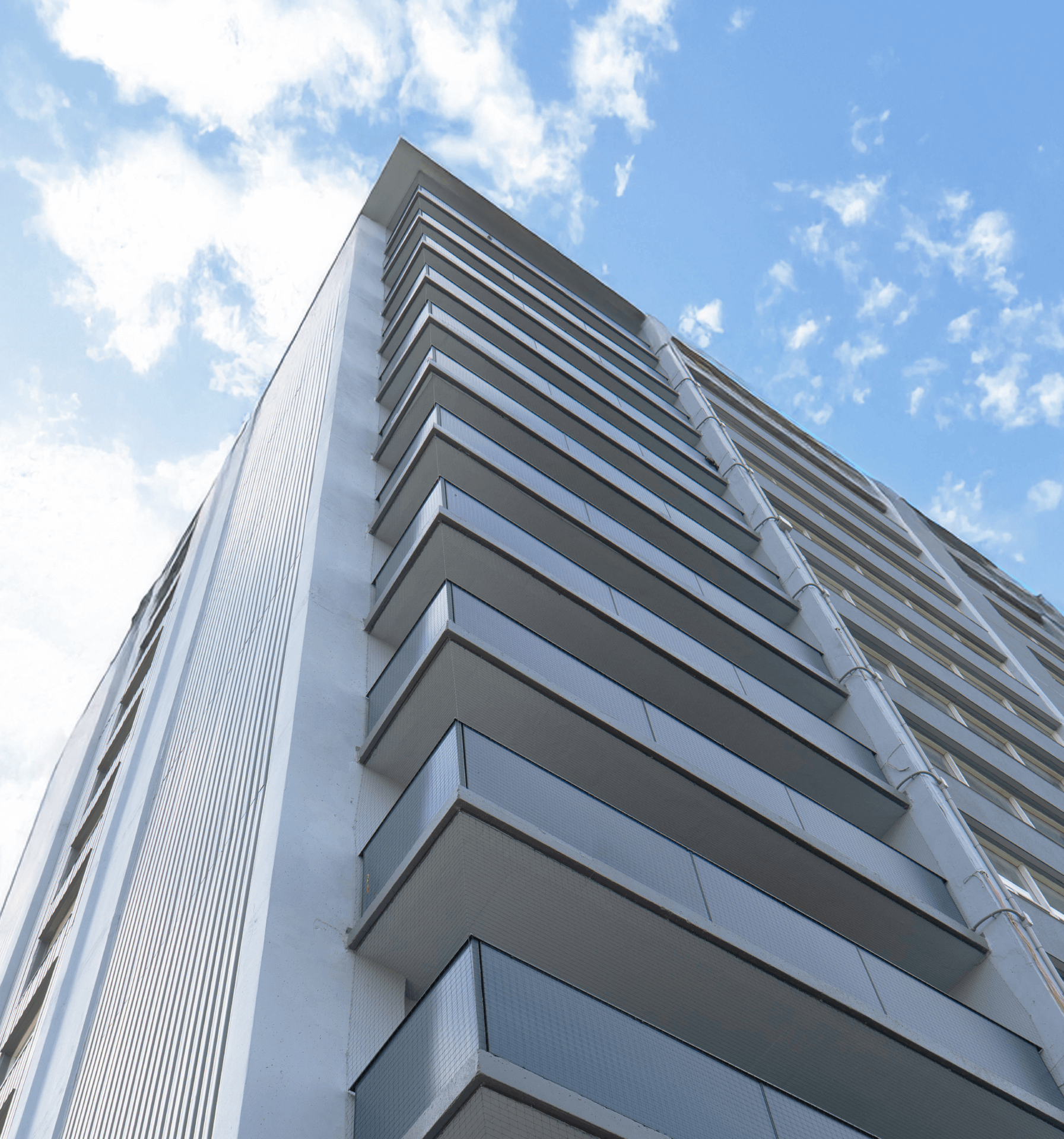
Aging façades limit building performance, increase operating costs, and make it difficult to meet modern energy, sustainability, and aesthetic standards. Mitrex retrofit solutions with building-integrated photovoltaics (BIPV) provide a fast, lightweight, and non-intrusive solution for upgrading outdated exteriors. Mitrex BIPV transforms outdated buildings into renewable-energy-producing, maintenance-free, and visually modern assets without major structural modifications. At only 5 lb/SF and installed using a fast clip-mounted system, Mitrex enables a seamless transition from a passive exterior to an active, power-generating building envelope.

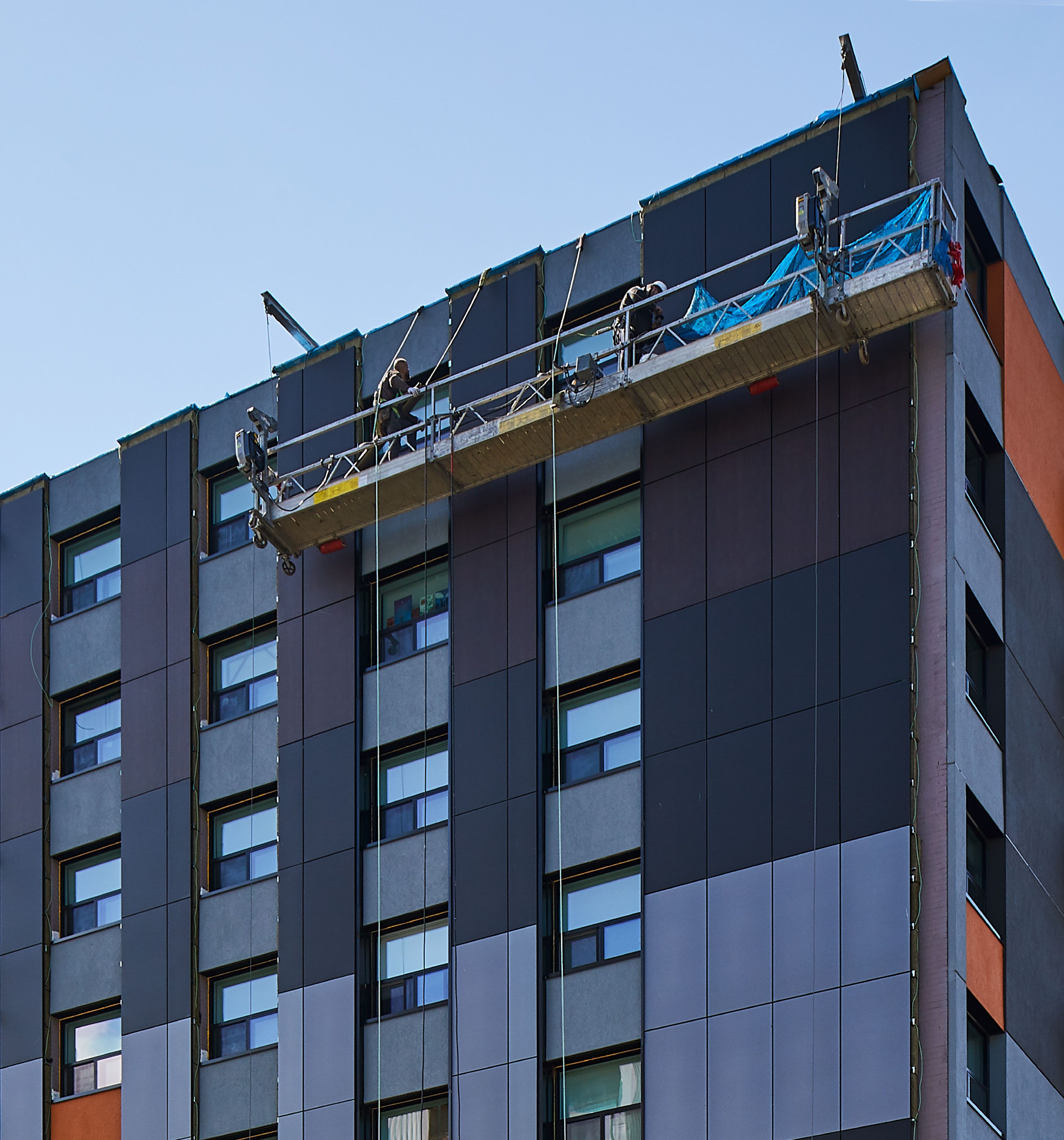
Retrofit projects require a façade solution that installs quickly, safely, and compatibly over existing structures. Mitrex’s BIPV uses an ultra-lightweight 5 lb/SF panel mounted with a non-penetrative clip system, allowing solar cladding to be added without demolition, structural reinforcement, or interior disruption. This makes BIPV adoption feasible for aging buildings while maintaining installation timelines comparable to traditional materials.

Mitrex BIPV transforms the façade into a long-term renewable energy asset, reducing operating costs, maintenance-free facades, and improving lifecycle value. Designed for durability, low maintenance, and easy selective replacement, the retrofit solution delivers predictable ROI through energy generation and reduced long-term building expenses.

Because Mitrex BIPV generates renewable energy and reduces embodied carbon, owners can access specialized financing programs tied to ESG performance and deep-retrofit upgrades. These advantages make large BIPV retrofit projects more financially accessible and attractive.

Mitrex BIPV is engineered for buildings that must remain fully operational during construction. With no structural reinforcement required and fast exterior installation, the system minimizes disturbance to tenants, customers, and revenue-generating spaces.

Safety, compliance, and performance are central to building design. Mitrex BIPV systems are tested and certified to meet or exceed international standards for solar performance, fire safety, wind resistance, and environmental durability. These certifications ensure that educational facilities can achieve long-term safety and risk mitigation while adopting advanced sustainable technologies.
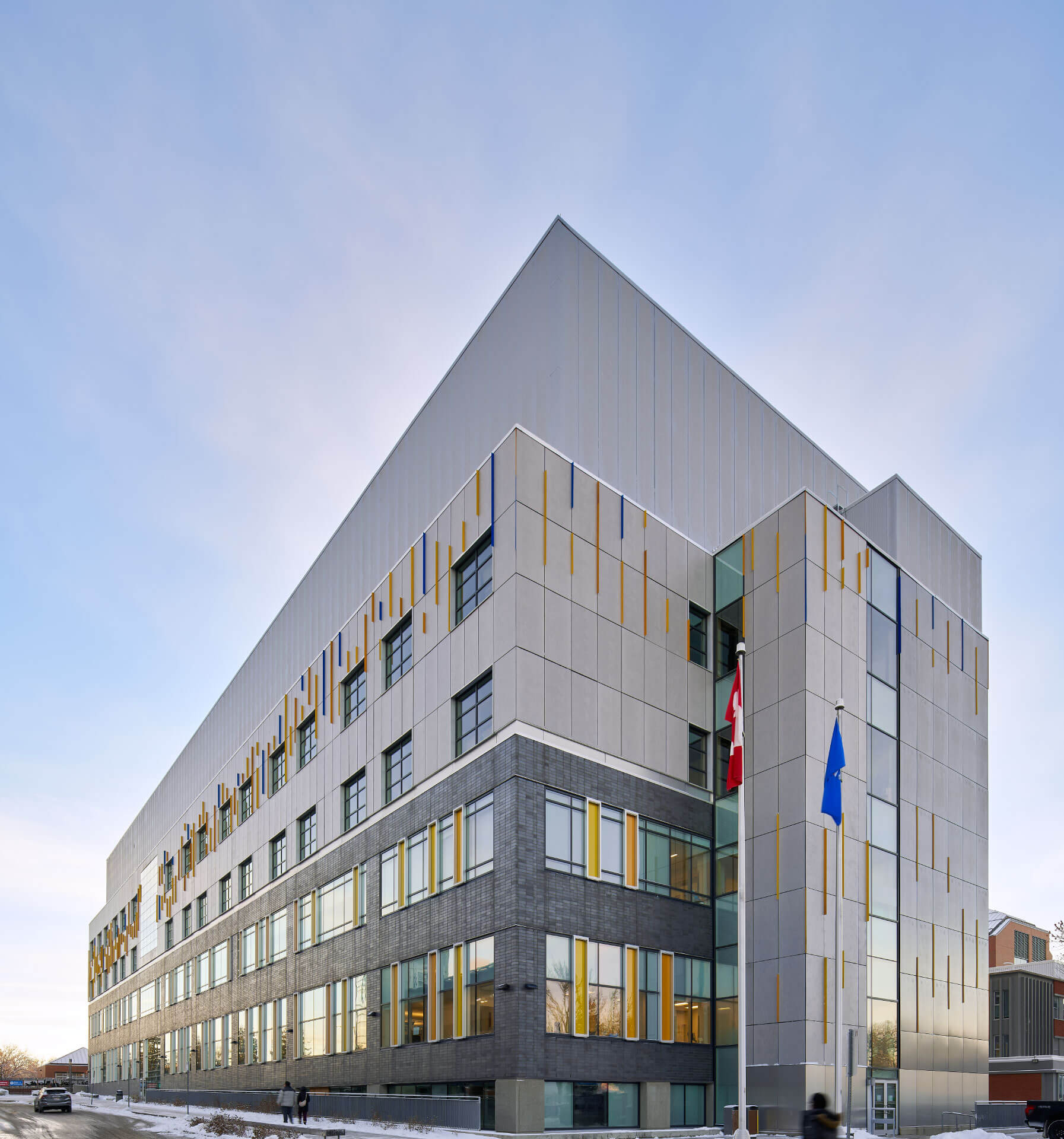
Plug and play BIPV in 5 colors and 2 sizes.
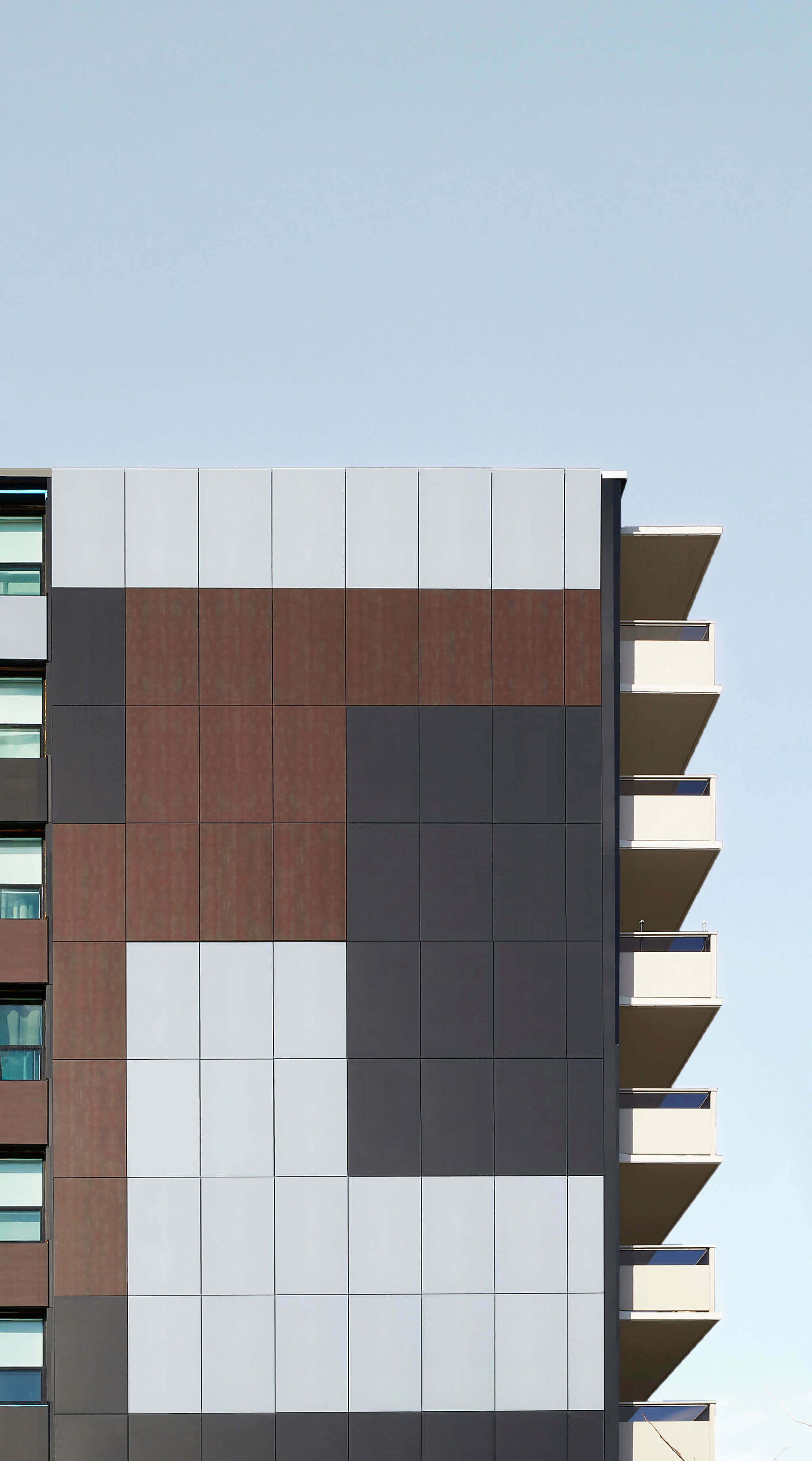
Large colorway with rainscreen system.

Custom BIPV in any color, size & system.

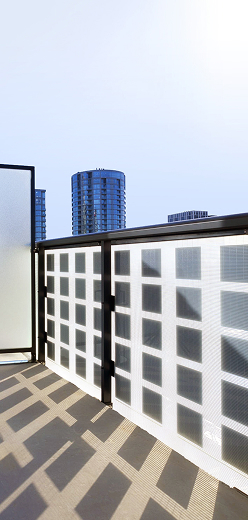
Balcony railing systems with integrated solar power.
High-performance, energy-generating architectural glass.

Mitrex BIPV retrofit systems are ultra-lightweight (around 5-7 lb/SF) and use non-penetrative clip-mounted subframing that can be installed over existing façades without major structural modifications. This allows aging buildings to be upgraded quickly into modern, energy-generating envelopes without interior demolition or full façade removal. The system is designed specifically for overlay applications, significantly reducing retrofit complexity, cost, disruption, and waste while adding substantial value through energy generation and improved building performance.
In many cases, no. The low weight (around 5-7 lb/SF—lighter than many traditional cladding materials) and efficient clip system make BIPV feasible for older or capacity-limited structures built to earlier codes. We work with structural engineers to confirm attachment methods, load paths, and any localized reinforcement that may be required (typically limited to anchor points rather than wholesale structural upgrades). This often keeps retrofit work within manageable scope compared to heavier cladding systems—making BIPV viable for buildings that couldn't support traditional heavy retrofit approaches like stone or precast.
Retrofits are designed to be low-disruption with exterior installation via swing stages or mast climbers, minimal noise and vibration (no demolition hammering or major facade removal), and no need for interior access beyond electrical room for inverter connections. Work can be phased by elevation or stack so tenants remain in place, and schedules can be coordinated around business hours, residential quiet times, or institutional calendars. This tenant-friendly approach maintains high occupancy and rental income during improvements—critical for income-producing properties.
Instead of treating façade purely as maintenance cost, Mitrex retrofit turns it into energy-generating asset with measurable returns. BIPV can qualify for solar incentives (60-80% of cost covered through ITC, MACRS, and rebates), green financing with favorable terms, and retrofit-specific funding programs, while ongoing energy savings (reducing operating expenses for 60+ years) and reduced maintenance improve lifecycle ROI. Owners can compare traditional 'non-solar' reclad with BIPV option and see net cost after incentives and energy value—often resulting in compelling business case where BIPV costs only marginally more than conventional recladding after incentives.
Yes. Mitrex retrofit solutions support ESG and carbon-reduction goals through low-embodied-carbon materials (documented in EPDs) and on-site solar generation with real-time monitoring. Because system upgrades both aesthetics and performance simultaneously, owners can often access green or retrofit financing (Property Assessed Clean Energy loans, sustainability-linked loans, utility on-bill financing), LEED recertification pathways, and government or utility retrofit incentives to build strong capital stack—improving project economics and ESG metrics simultaneously.
In many projects, existing cladding can remain in place and act as backup wall or drainage plane while Mitrex rails and clips are mounted over it, minimizing demolition, waste disposal costs, and environmental impact. Where required for building envelope performance, selective repairs or removals are coordinated, but overall approach is to overlay ultra-light, energy-generating skin rather than fully strip the building—reducing disruption, schedule, construction waste, and environmental footprint. This approach can significantly reduce project costs and carbon footprint compared to full tear-off replacements.
The new BIPV façade can dramatically improve thermal performance through continuous insulation, high-performance detailing, and proper air and water control layer upgrades while maintaining or enhancing moisture management. Panels are designed for durability and weather resistance with 60-year design life, providing maintenance-free, long-life exterior that reduces cleaning, access, and replacement costs—often dramatically improving building performance beyond original specifications. The retrofit can address existing envelope deficiencies while adding solar generation capability.
Payback depends on façade area, local tariffs, and incentives, but many commercial retrofits see 5-7 year simple paybacks once tax credits (30% ITC), depreciation (MACRS allowing 85% of costs recovered in first 5 years), and local cash-in-hand programs are applied. After payback, system continues to generate power for decades (60-year design life), turning mandatory reclad into long-term revenue and ESG asset—creating value that extends well beyond typical building improvement returns. For properties with high energy costs or facing mandatory recladding, BIPV can have near-zero incremental cost after incentives.
Our systems are engineered to meet international standards including PV & safety (UL 61730, UL 61215), impact and structural performance (ASTM E1996, ASTM E330), and fire performance (NFPA 285, CAN/ULC-S134, EN 13501 A2-s1,d0). Systems feature non-combustible components. For each project, we provide test reports, classification summaries, engineering letters, and product data sheets to support permitting and code compliance review. These documents are also available through our downloads page and can be provided during the specification phase.
Our structured collections include Genesis Solar Series (earthy, textured finishes mimicking stone, concrete, and metal) and Exodus Solar Series (bold, uniform architectural colors with smooth finishes). For eFacade PRO+, we offer an 'open palette'—virtually any color, pattern, or texture including matches to RAL, Pantone, or branded colors. We can work with you to match specific materials like limestone, sandstone, cedar, or other cladding materials you're specifying. Custom color matching is available with consideration for the color-vs-power trade-off (darker tones generally deliver higher energy yield). We provide sample chips, larger mockup panels for side-by-side comparison, and guidance on how color choices impact W/ft² and annual kWh.
Inspiration
Discover inspiring projects that showcase how Mitrex BIPV solutions enhance design, sustainability, and performance in modern facilities.

.svg)