
BIPV
August 7, 2024
Sustainability has become a central focus in the construction industry. As the world struggles with climate change and the need to reduce greenhouse gas emissions, architects, builders, and developers are constantly seeking innovative ways to make buildings more eco-friendly. One such innovation is Building-Integrated Photovoltaics (BIPV). BIPV is a cutting-edge technology that combines solar panels with building materials to create aesthetically pleasing, energy-efficient structures. In this blog, we will explore when and how to incorporate BIPV in construction projects to harness the benefits of renewable energy and reduce a building's carbon footprint.
Building-Integrated Photovoltaics (BIPV) offers an exciting opportunity to create sustainable, energy-efficient buildings that generate clean electricity while preserving architectural aesthetics. To successfully incorporate BIPV into construction projects, it's essential to start early in the design phase, collaborate closely with experts, and consider factors like aesthetics, government incentives, and energy management systems. By embracing BIPV, construction projects can contribute to a greener future and reduce their carbon footprint while harnessing the power of renewable energy.
News & Articles
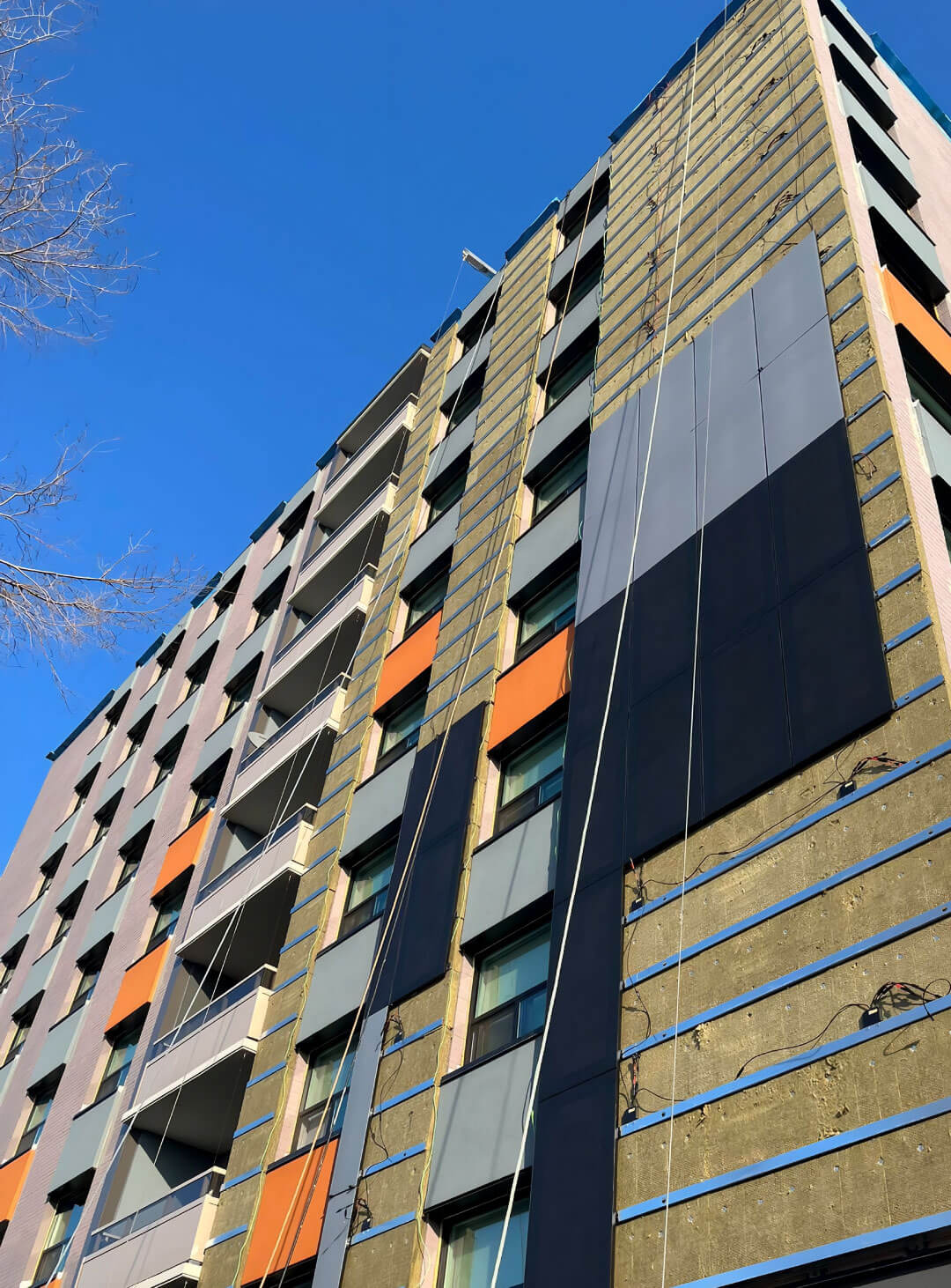

A solar facade module is only as good as the system that holds it to the building. Mitrex offers three core installation systems, CladiShield, Claditized, and CladiFab, plus product-specific hardware for eFacade TILT and eFacade LITE, each suited to different project types, schedules, and architectural goals. This piece breaks down how each system works and where it fits.
A solar facade module is only as good as the system that holds it to the building. Mitrex offers three core installation systems, CladiShield, Claditized, and CladiFab, plus product-specific hardware for eFacade TILT and eFacade LITE, each suited to different project types, schedules, and architectural goals. This piece breaks down how each system works and where it fits.
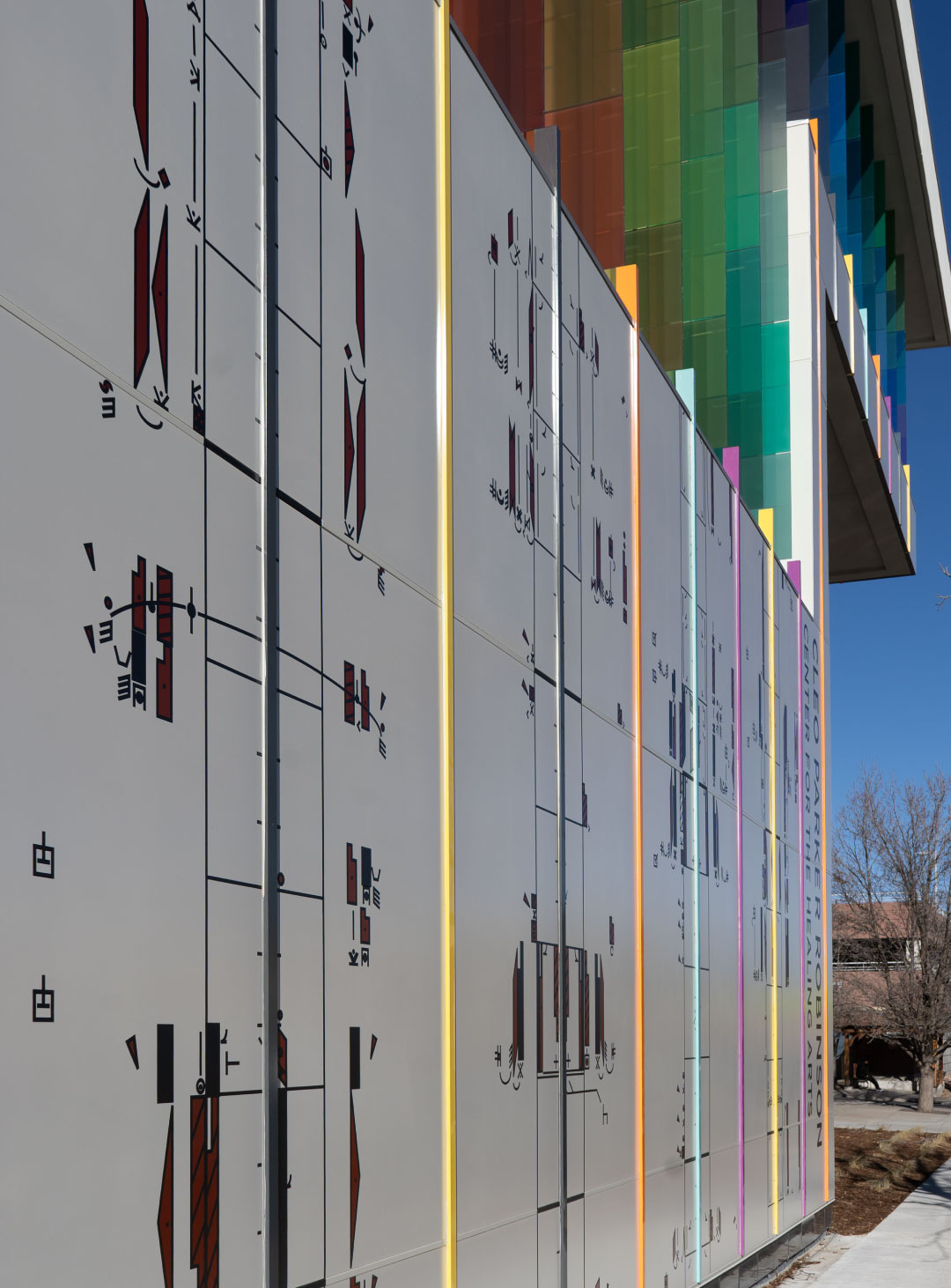
In commercial construction, even minor delays can carry significant consequences. Tight schedules, multiple trades, evolving site conditions, and coordination across disciplines leave little room for systems that require extensive customization or specialized installation practices. Historically, Building-Integrated Photovoltaics have been perceived as complex, innovative in concept but challenging to execute. At Mitrex, we've taken a different approach. Our goal has always been to make solar facades function like a true building material: practical to install, responsive to real-world construction conditions, and adaptable to the needs of modern projects.
In commercial construction, even minor delays can carry significant consequences. Tight schedules, multiple trades, evolving site conditions, and coordination across disciplines leave little room for systems that require extensive customization or specialized installation practices. Historically, Building-Integrated Photovoltaics have been perceived as complex, innovative in concept but challenging to execute. At Mitrex, we've taken a different approach. Our goal has always been to make solar facades function like a true building material: practical to install, responsive to real-world construction conditions, and adaptable to the needs of modern projects.
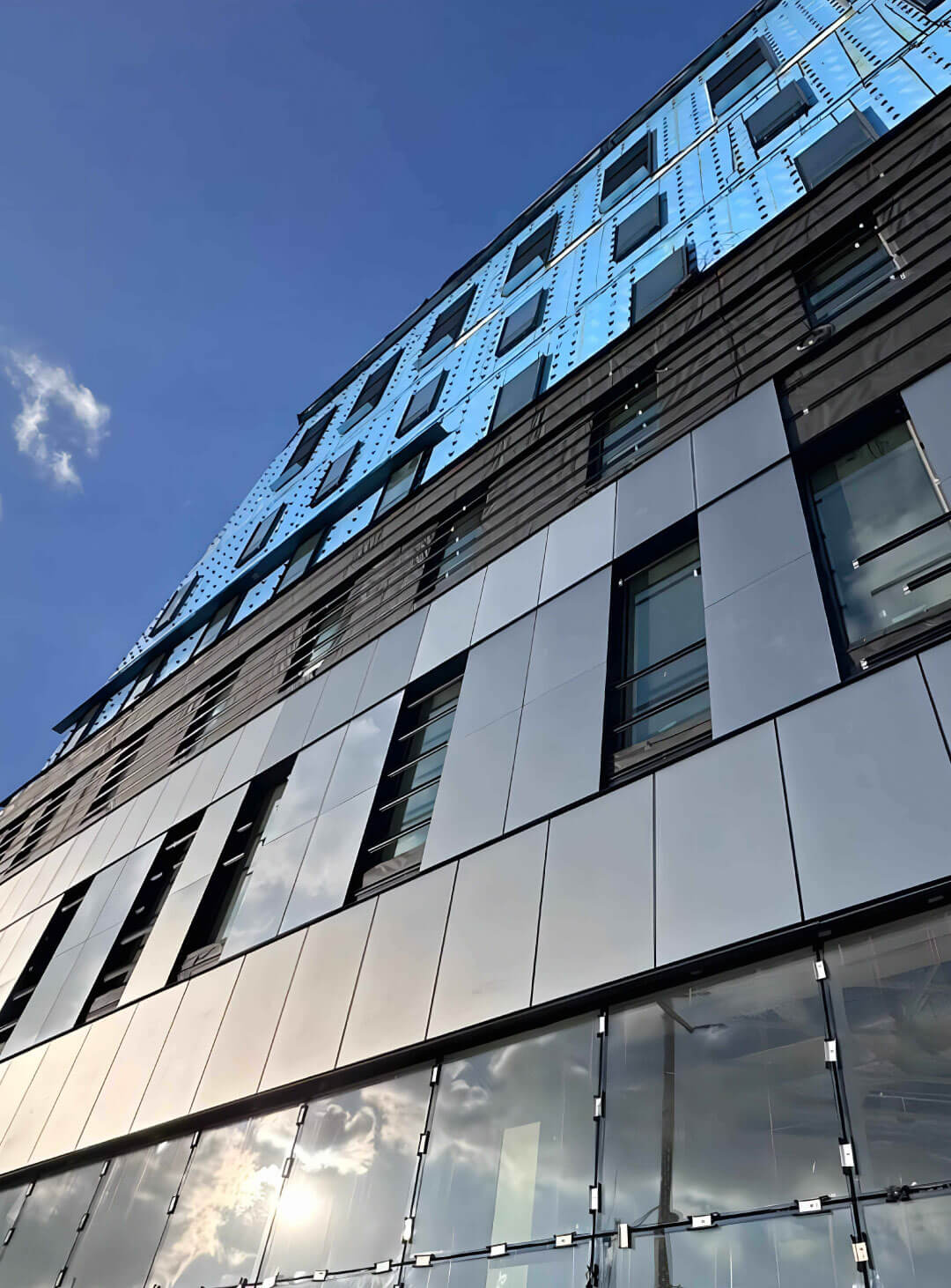
Mitrex solar facades combine the function of building cladding with long-term on-site energy generation, transforming the building envelope into an income-generating asset. While upfront costs may exceed conventional materials in some scenarios, stacked incentives, operational savings, and long-term durability significantly improve lifecycle value and payback performance.
Mitrex solar facades combine the function of building cladding with long-term on-site energy generation, transforming the building envelope into an income-generating asset. While upfront costs may exceed conventional materials in some scenarios, stacked incentives, operational savings, and long-term durability significantly improve lifecycle value and payback performance.

.svg)
