
BIPV
September 10, 2025
In today’s construction landscape, building facades must do more than enclose space—they need to perform. Across North America and beyond, Mitrex solar facade modules are turning walls into energy-generating assets, helping developers and architects meet energy goals without compromising design.
These five projects illustrate what’s possible when high-performance BIPV is integrated into new builds, retrofits, and climate-forward campuses.
In Dubai’s Business Bay, the world’s first branded residential tower by Mercedes-Benz redefines what a building facade can achieve. This 65-storey landmark, inspired by the design language of the EQS electric vehicle, is a fusion of luxury, performance, and sustainability.
Mitrex worked closely with Binghatti and Mercedes-Benz to design and deliver a custom solar facade system that aligns with the tower’s electrified identity. Through its Design Assist services, Mitrex engineered fire-rated BIPV modules in branded finishes, integrated LED lighting into the EQS logo, and ensured seamless installation across both unitized and stick-built systems—bringing energy generation and iconic aesthetics together.
This flagship institutional project proves that BIPV can deliver fast ROI and world-class energy performance at scale. Designed by Diamond Schmitt, MVDRV and built by EllisDon, the facade system supports both sustainability goals and architectural excellence.
This is a benchmark for how public institutions can meet clean energy mandates while future-proofing their facilities.
This deep energy retrofit transformed a mid-rise apartment building in Edmonton into a clean-energy producer. The project modernized the envelope with Mitrex solar facade systems and earned recognition for innovative use of vertical solar.
It’s a model for urban housing developers looking to cut operating costs, reduce emissions, and reinvest in aging infrastructure.
Designed as a future-facing commercial hub, this building integrates a black-finished Mitrex solar facade across its primary elevation—showcasing how solar cladding enhances brand presence while generating clean power.
Projects like this show how developers can embed sustainability into customer-facing spaces—without aesthetic compromise.
A decades-old student housing building was brought into the future using Mitrex BIPV and solar spandrel glass. The vertical retrofit upgraded thermal performance, modernized appearance, and introduced renewable generation—all while keeping the building fully occupied.
This retrofit exemplifies how colleges, universities, and institutional owners can meet sustainability mandates without full rebuilds.
From civic infrastructure to retrofitted apartments and global innovation centers, these projects demonstrate the real-world power of solar-integrated building materials. With net-zero mandates tightening and the value of vertical space increasing—especially in cities like Chicago and New York—solar facades are no longer optional.
Mitrex BIPV modules offer a smart, future-ready solution that merges design freedom with performance, giving forward-thinking developers a competitive edge in sustainable construction.
Call to Action
Want to see how Mitrex can power your next project?
News & Articles
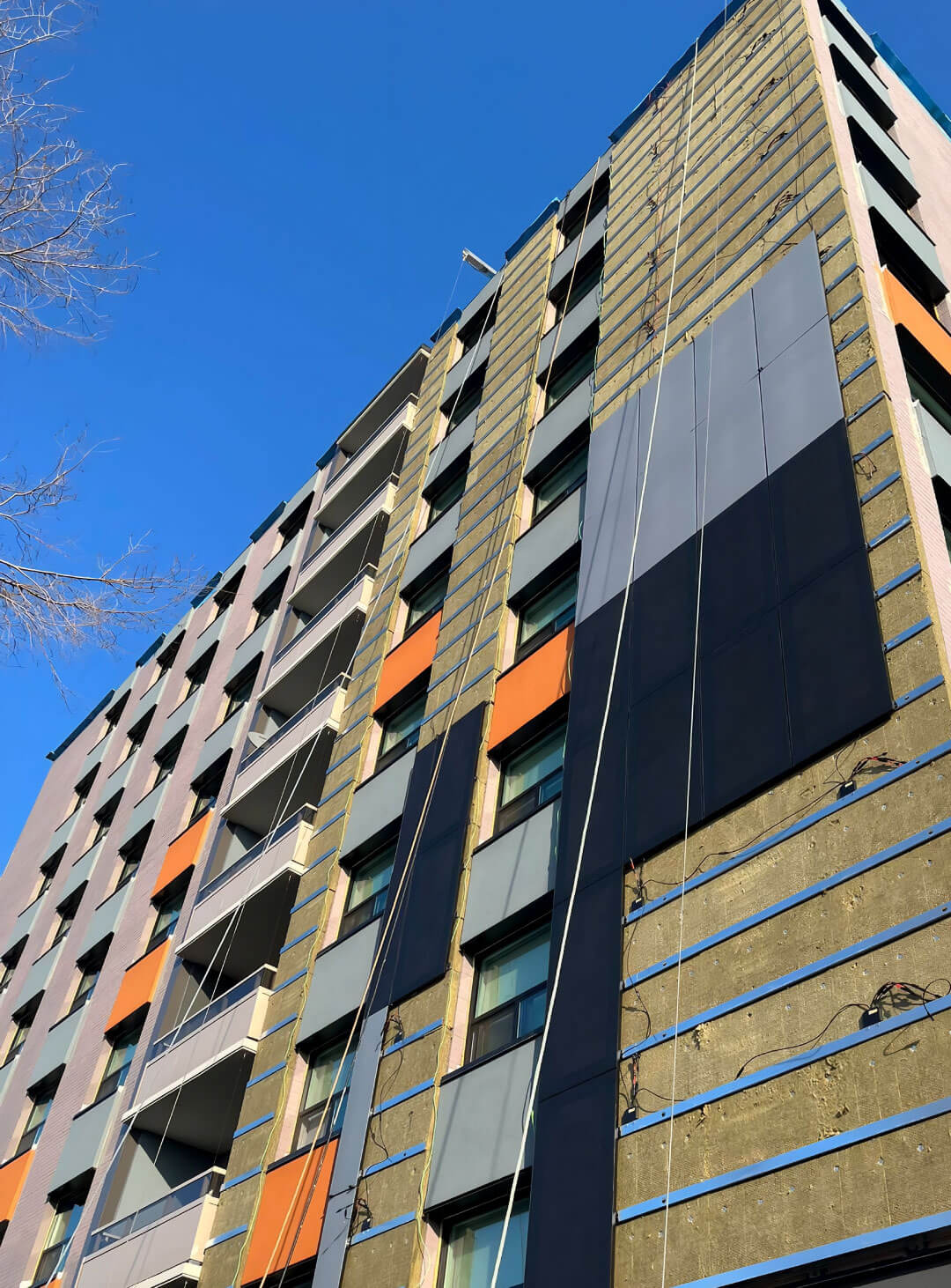

A solar facade module is only as good as the system that holds it to the building. Mitrex offers three core installation systems, CladiShield, Claditized, and CladiFab, plus product-specific hardware for eFacade TILT and eFacade LITE, each suited to different project types, schedules, and architectural goals. This piece breaks down how each system works and where it fits.
A solar facade module is only as good as the system that holds it to the building. Mitrex offers three core installation systems, CladiShield, Claditized, and CladiFab, plus product-specific hardware for eFacade TILT and eFacade LITE, each suited to different project types, schedules, and architectural goals. This piece breaks down how each system works and where it fits.
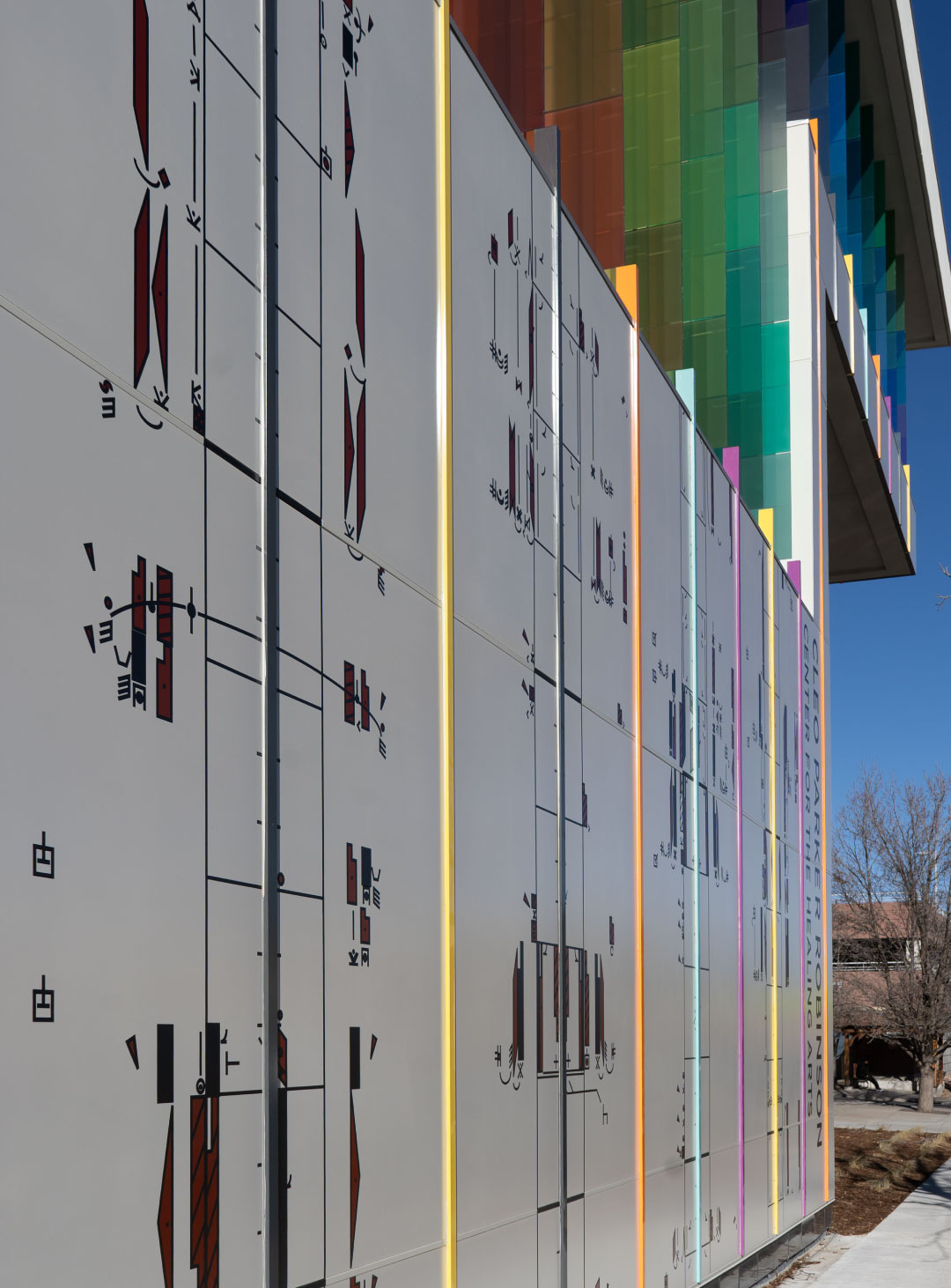
In commercial construction, even minor delays can carry significant consequences. Tight schedules, multiple trades, evolving site conditions, and coordination across disciplines leave little room for systems that require extensive customization or specialized installation practices. Historically, Building-Integrated Photovoltaics have been perceived as complex, innovative in concept but challenging to execute. At Mitrex, we've taken a different approach. Our goal has always been to make solar facades function like a true building material: practical to install, responsive to real-world construction conditions, and adaptable to the needs of modern projects.
In commercial construction, even minor delays can carry significant consequences. Tight schedules, multiple trades, evolving site conditions, and coordination across disciplines leave little room for systems that require extensive customization or specialized installation practices. Historically, Building-Integrated Photovoltaics have been perceived as complex, innovative in concept but challenging to execute. At Mitrex, we've taken a different approach. Our goal has always been to make solar facades function like a true building material: practical to install, responsive to real-world construction conditions, and adaptable to the needs of modern projects.
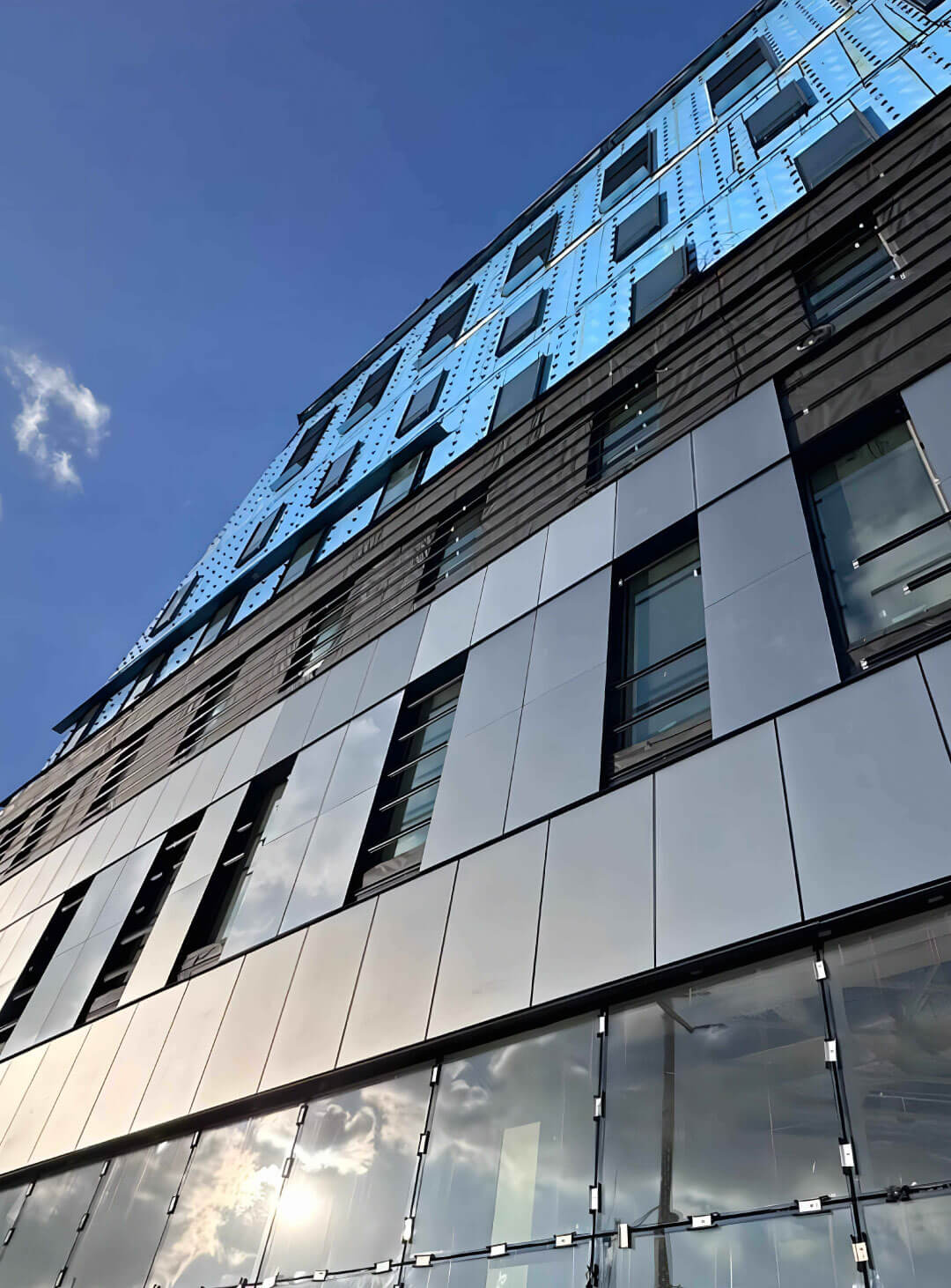
Mitrex solar facades combine the function of building cladding with long-term on-site energy generation, transforming the building envelope into an income-generating asset. While upfront costs may exceed conventional materials in some scenarios, stacked incentives, operational savings, and long-term durability significantly improve lifecycle value and payback performance.
Mitrex solar facades combine the function of building cladding with long-term on-site energy generation, transforming the building envelope into an income-generating asset. While upfront costs may exceed conventional materials in some scenarios, stacked incentives, operational savings, and long-term durability significantly improve lifecycle value and payback performance.

.svg)
