BIPV
April 22, 2026
For many years, integrating solar into buildings meant compromise. Traditional solar often disrupted architectural intent, forcing a trade-off between performance and design.
Mitrex solar facades eliminate that compromise by functioning as both architectural cladding and energy-generating building materials, enabling solar to be designed directly into the facade.
The flexibility of Mitrex solar cladding is demonstrated across a range of architectural applications.
At the SunRise Residential project in Edmonton, Mitrex modules were used not only to retrofit all four elevations of the building, but also to create a large-scale solar mural, transforming the facade into both a visual statement and an energy-generating system.
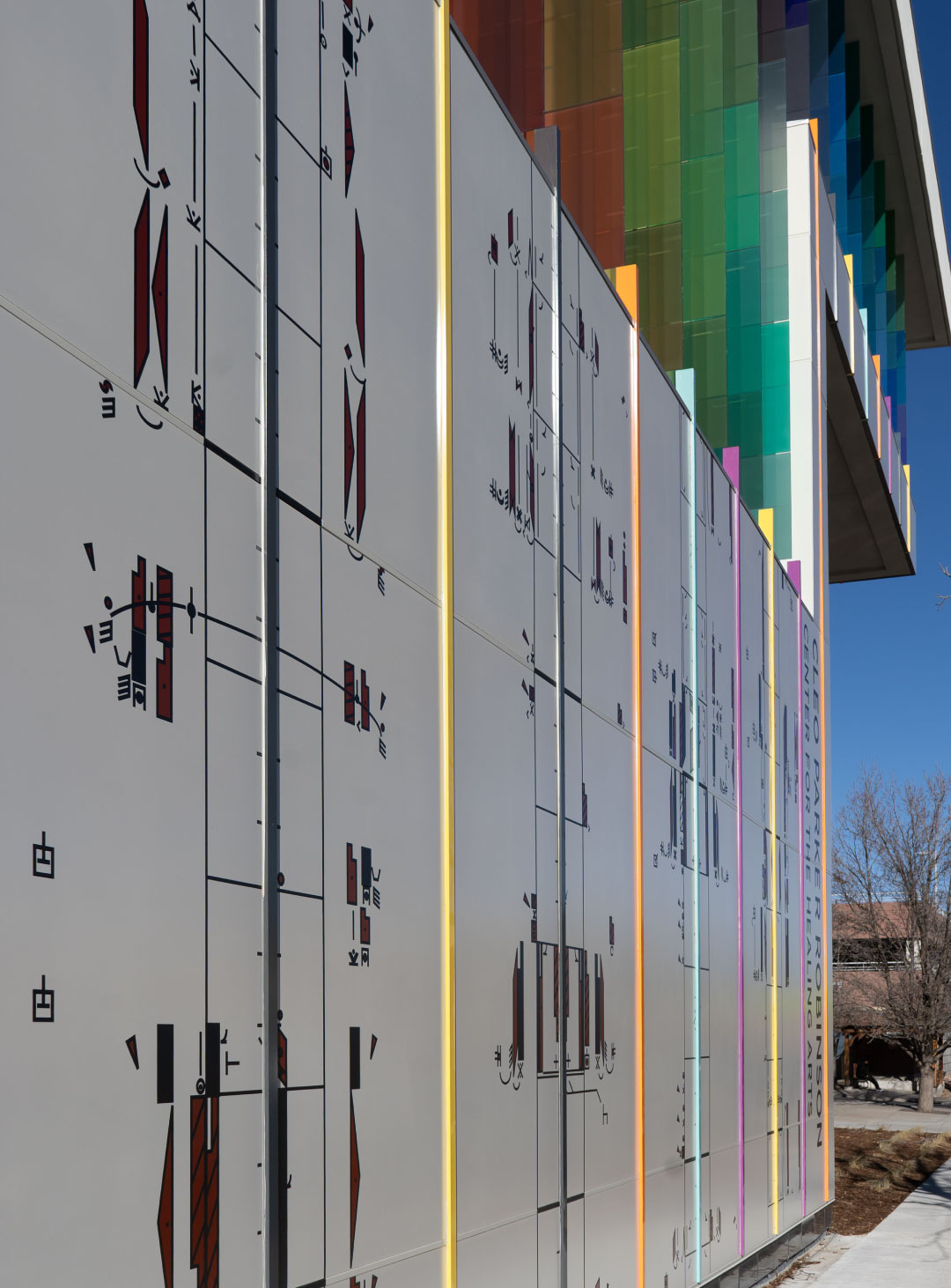
At the Cleo Parker Robinson Dance facility in Denver, the facade features a custom Labanotation mural, translating the language of dance into an architectural expression. Using Mitrex modules, the design captures movement and rhythm while functioning as part of the building envelope and with a 10kW power outcome.
At the Taza Centre, solar cladding was integrated across complex tilted modules, demonstrating how modules can adapt to non-linear forms and varied elevations without disrupting the architectural intent.
These projects show that Mitrex solar cladding solutions are not limited to flat, uniform applications. They can be shaped, patterned, and scaled to meet the creative demands of modern architecture.
Mitrex solar facades are available in a wide range of finishes designed to support architectural design goals.
The LITE series comes in 5 standard colour options, with Plug and Play technology, offering fast installation and seamless integration.
The PRO series offers up to 48 colour options, enabling projects to maintain a consistent visual identity while integrating solar.
For projects requiring greater flexibility, PRO+ allows for fully customized solutions, including unique finishes, patterns, and panel configurations tailored to the design.
This level of customization allows architects to move beyond standard panel layouts and treat solar cladding as a true design material.
Maintaining a cohesive facade is critical in architectural design.
Mitrex BIPV Modules are designed to integrate with both active and non-active facade areas, allowing solar and non-solar sections to align visually. For areas where solar is not viable, Mitrex solutions are designed to seamlessly blend and integrate with non-active cladding solutions. This ensures the building envelope reads as a unified system rather than a combination of separate components.
Solar cladding must meet the same expectations as any other facade material.
Mitrex modules are engineered to function as part of the building envelope, supporting:
At the same time, they generate clean electricity directly from the facade, allowing buildings to reduce operational energy demand without compromising design.
As sustainability becomes a core design requirement, the role of the facade continues to evolve.
Mitrex solar cladding enables buildings to integrate:
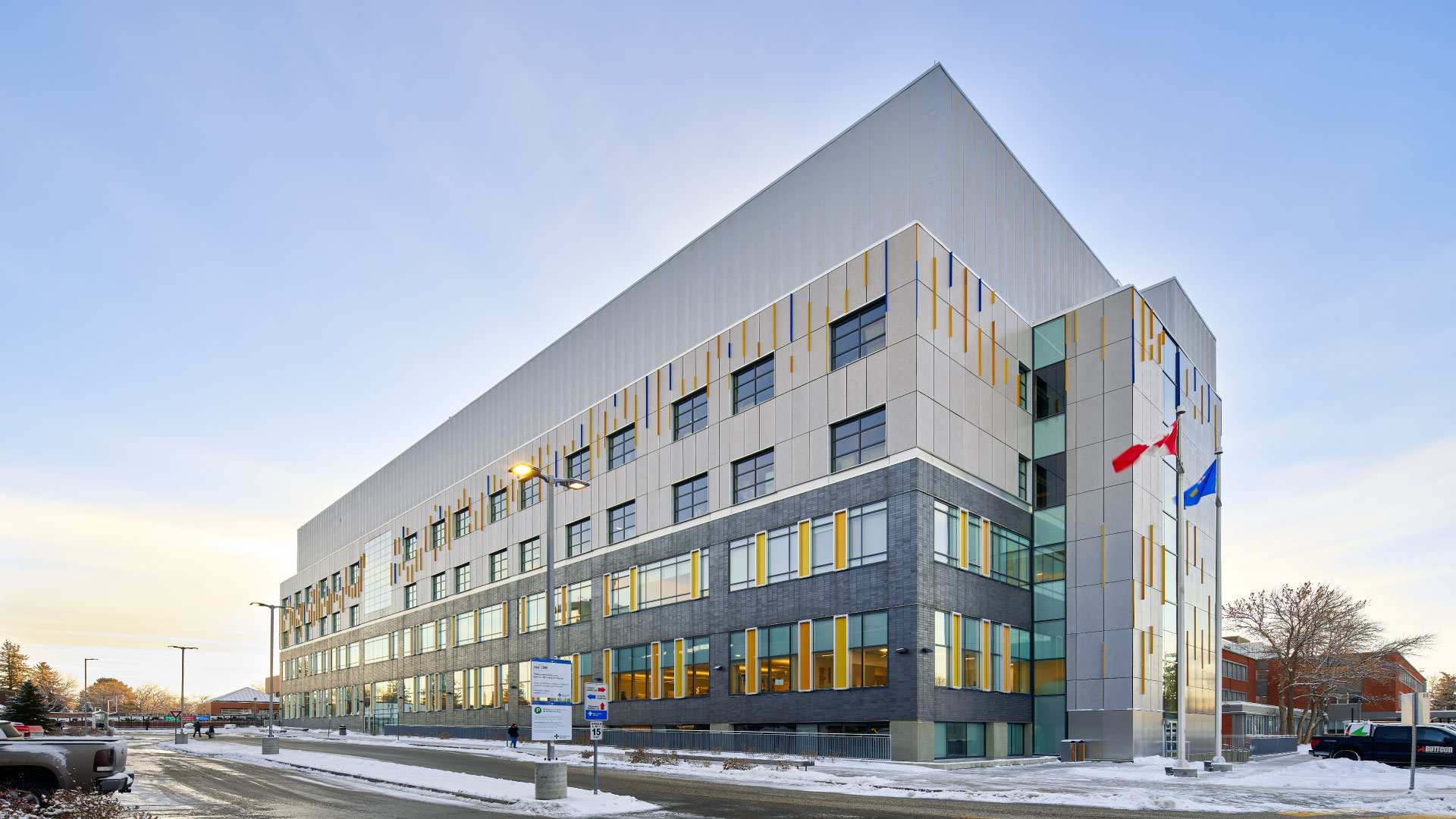
Projects such as the Myron & Berna Garron Health Sciences Complex (SAMIH) demonstrate how solar facades can scale across large institutional buildings while maintaining design intent.
Solar cladding is no longer a compromise between performance and design
From Labanotation murals to complex geometries and custom colour systems, Mitrex modules demonstrate that energy-generating building materials can enhance architectural expression while delivering measurable performance.
See how solar facades are being applied across different building types: https://www.mitrex.com/projects
News & Articles
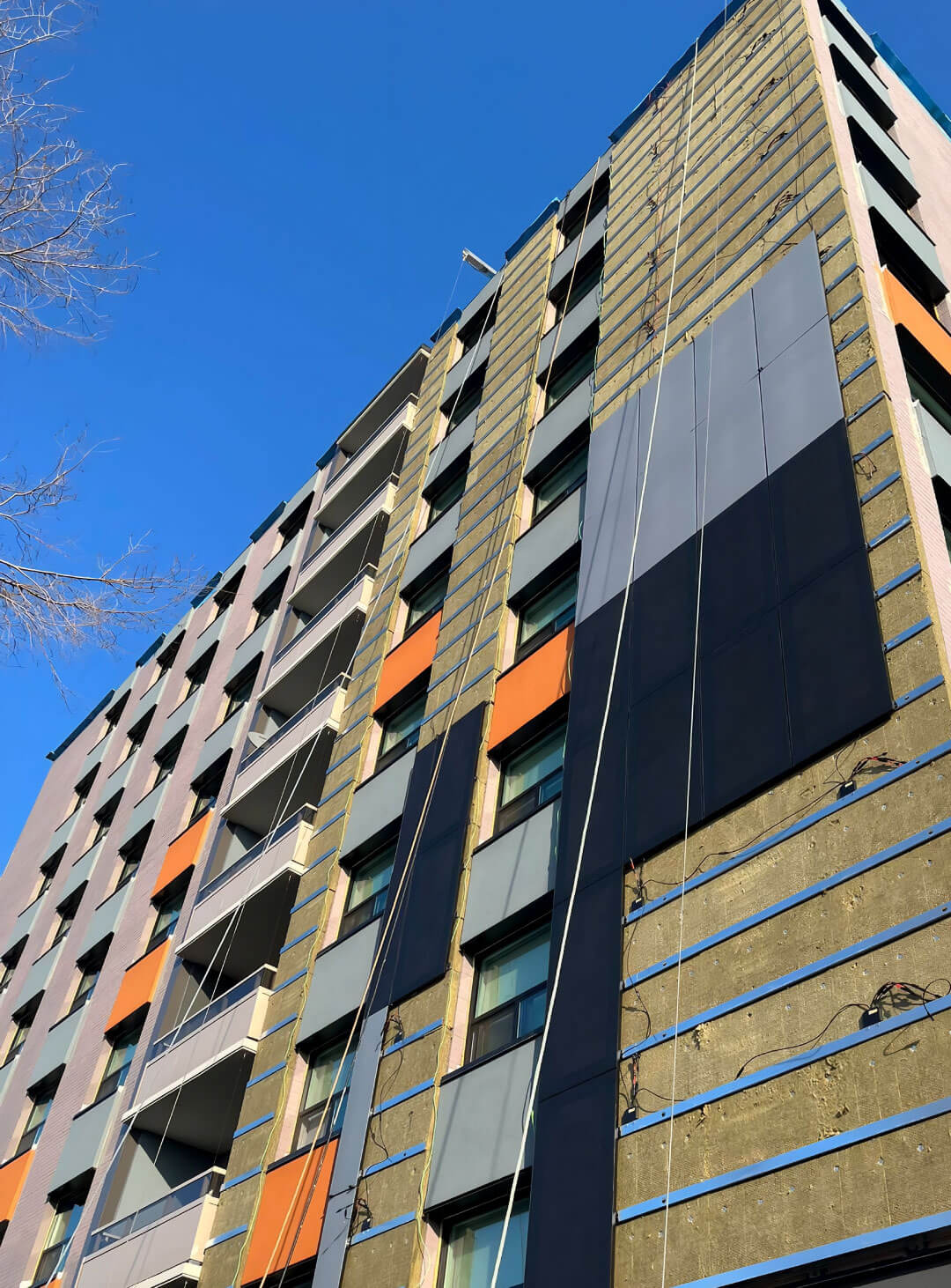

A solar facade module is only as good as the system that holds it to the building. Mitrex offers three core installation systems, CladiShield, Claditized, and CladiFab, plus product-specific hardware for eFacade TILT and eFacade LITE, each suited to different project types, schedules, and architectural goals. This piece breaks down how each system works and where it fits.
A solar facade module is only as good as the system that holds it to the building. Mitrex offers three core installation systems, CladiShield, Claditized, and CladiFab, plus product-specific hardware for eFacade TILT and eFacade LITE, each suited to different project types, schedules, and architectural goals. This piece breaks down how each system works and where it fits.
In commercial construction, even minor delays can carry significant consequences. Tight schedules, multiple trades, evolving site conditions, and coordination across disciplines leave little room for systems that require extensive customization or specialized installation practices. Historically, Building-Integrated Photovoltaics have been perceived as complex, innovative in concept but challenging to execute. At Mitrex, we've taken a different approach. Our goal has always been to make solar facades function like a true building material: practical to install, responsive to real-world construction conditions, and adaptable to the needs of modern projects.
In commercial construction, even minor delays can carry significant consequences. Tight schedules, multiple trades, evolving site conditions, and coordination across disciplines leave little room for systems that require extensive customization or specialized installation practices. Historically, Building-Integrated Photovoltaics have been perceived as complex, innovative in concept but challenging to execute. At Mitrex, we've taken a different approach. Our goal has always been to make solar facades function like a true building material: practical to install, responsive to real-world construction conditions, and adaptable to the needs of modern projects.
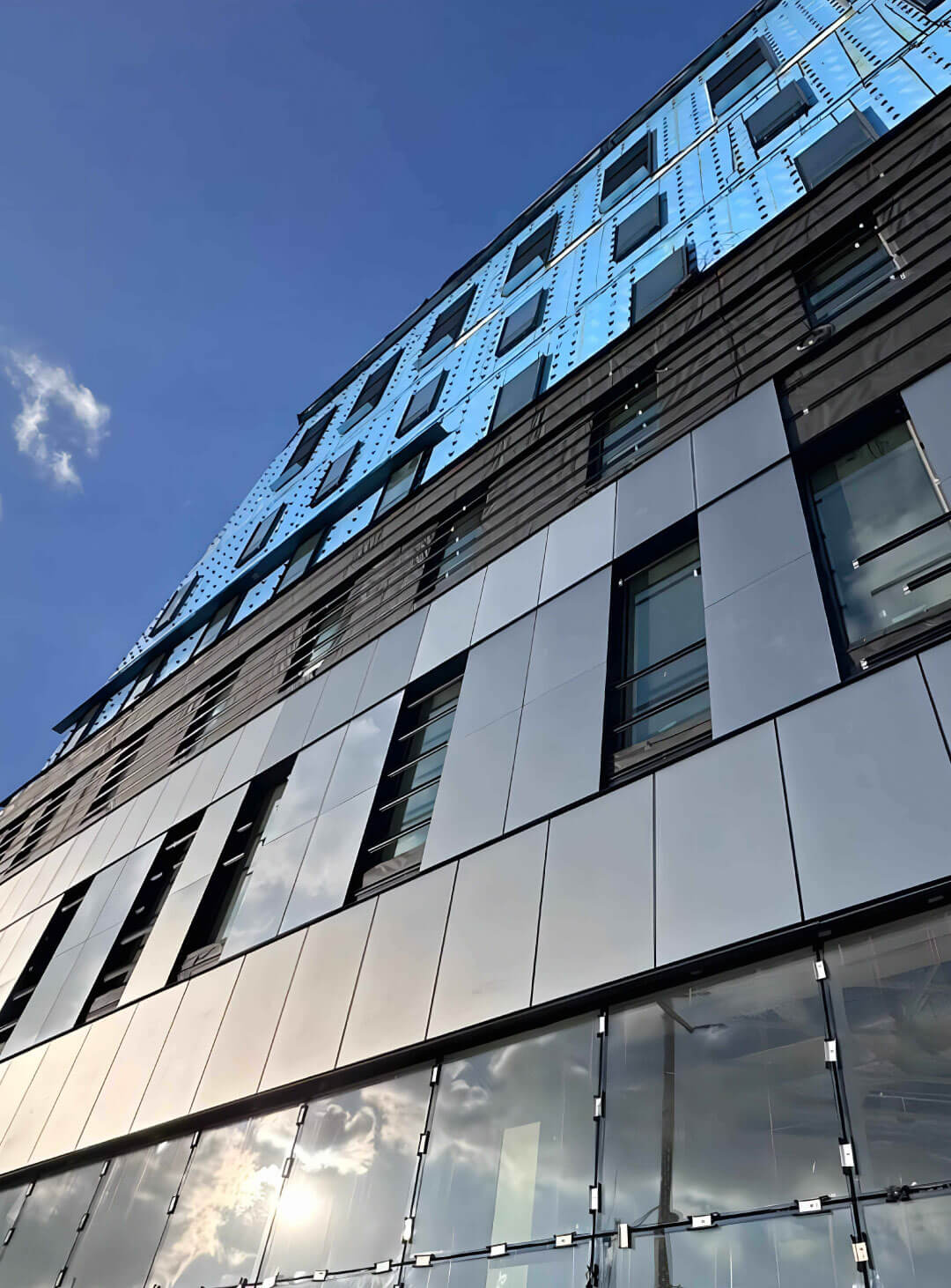
Mitrex solar facades combine the function of building cladding with long-term on-site energy generation, transforming the building envelope into an income-generating asset. While upfront costs may exceed conventional materials in some scenarios, stacked incentives, operational savings, and long-term durability significantly improve lifecycle value and payback performance.
Mitrex solar facades combine the function of building cladding with long-term on-site energy generation, transforming the building envelope into an income-generating asset. While upfront costs may exceed conventional materials in some scenarios, stacked incentives, operational savings, and long-term durability significantly improve lifecycle value and payback performance.

.svg)
