
BIPV
May 13, 2026
For building owners and developers, the building envelope represents a significant capital investment. Traditionally, facade materials are expected to perform structurally and aesthetically, but they do not contribute to operational value.
With Building-Integrated Photovoltaics, that expectation changes. The facade becomes both a building material and an energy-generating asset. As a result, warranty coverage must address both performance and durability.
Mitrex solar facades are designed with this dual function in mind, supported by a comprehensive warranty structure that protects both the material and the energy system over the long term.
Mitrex warranties are built around two core components:
This covers manufacturing defects and material integrity, ensuring that the facade performs as intended as part of the building envelope. The warranty is for 25 years, however, the product is tested and expected to last 60 years.
This guarantees long-term energy output, with:
Together, these warranties ensure that the facade continues to deliver both structural performance and energy generation over time, and this by no means energy generation stops after 25 years. With 80% output maintained by year 25, the modules are designed to continue to produce energy long after the 25 year warranty.
Mitrex offers two warranty structures depending on project scope:
This distinction allows project teams to choose the level of coverage that aligns with their delivery model while maintaining long-term protection.
Specifying new technologies often introduces perceived risk, particularly when they impact the building envelope. Mitrex’s parent company has been in the business of sustainable construction material for more than 20 years, and Mitrex's products are tested to meet and exceed international building requirements. This can be seen in its use in projects across North America and the world, all of which can be found here.
Mitrex warranties are designed to address that concern directly by:
This allows developers and architects to integrate solar facades with confidence, knowing that both the structural and operational aspects of the system are protected.
Mitrex solar facades are already being applied across complex and large-scale projects.
At the Myron & Berna Garron Health Sciences Complex (SAMIH) at the University of Toronto Scarborough, Mitrex panels are integrated across multiple elevations as part of a large institutional development.
At the SunRise Residential project in Edmonton, the system is applied at scale across a retrofit project that also holds the world record for the largest solar panel artwork.
For projects of this scale, long-term warranty coverage is essential. It provides project teams with the assurance that the system will continue to perform as both a building material and an energy-generating asset.
As with any building material, certain conditions fall outside the warranty scope.
These typically include:
Understanding these boundaries is important for ensuring proper installation and long-term performance.
Mitrex warranties are more than a standard product guarantee. They reflect confidence in the system’s ability to perform over decades of operation.
By covering both the facade and its energy output, Mitrex solar cladding is positioned not as an added system, but as a long-term building material investment.
As buildings evolve to incorporate energy generation directly into their design, warranty structures must evolve with them.
Mitrex provides a comprehensive approach to warranty coverage, ensuring that solar facades deliver both durability and performance over the long term.
For developers, architects, and building owners, this translates into reduced risk, predictable outcomes, and confidence in the future performance of the building envelope.
To explore how Mitrex solar facades can support your next project:
News & Articles
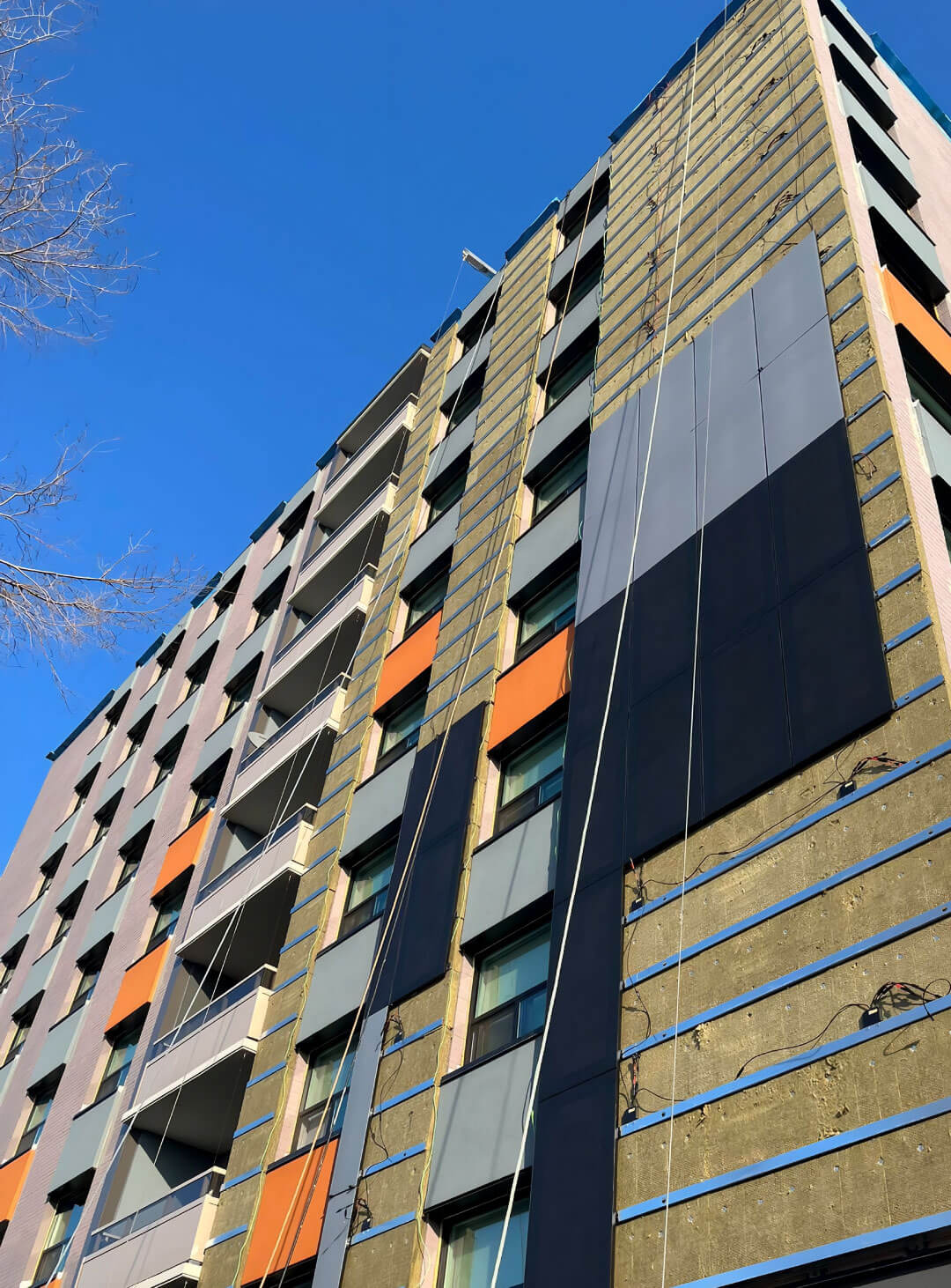

A solar facade module is only as good as the system that holds it to the building. Mitrex offers three core installation systems, CladiShield, Claditized, and CladiFab, plus product-specific hardware for eFacade TILT and eFacade LITE, each suited to different project types, schedules, and architectural goals. This piece breaks down how each system works and where it fits.
A solar facade module is only as good as the system that holds it to the building. Mitrex offers three core installation systems, CladiShield, Claditized, and CladiFab, plus product-specific hardware for eFacade TILT and eFacade LITE, each suited to different project types, schedules, and architectural goals. This piece breaks down how each system works and where it fits.
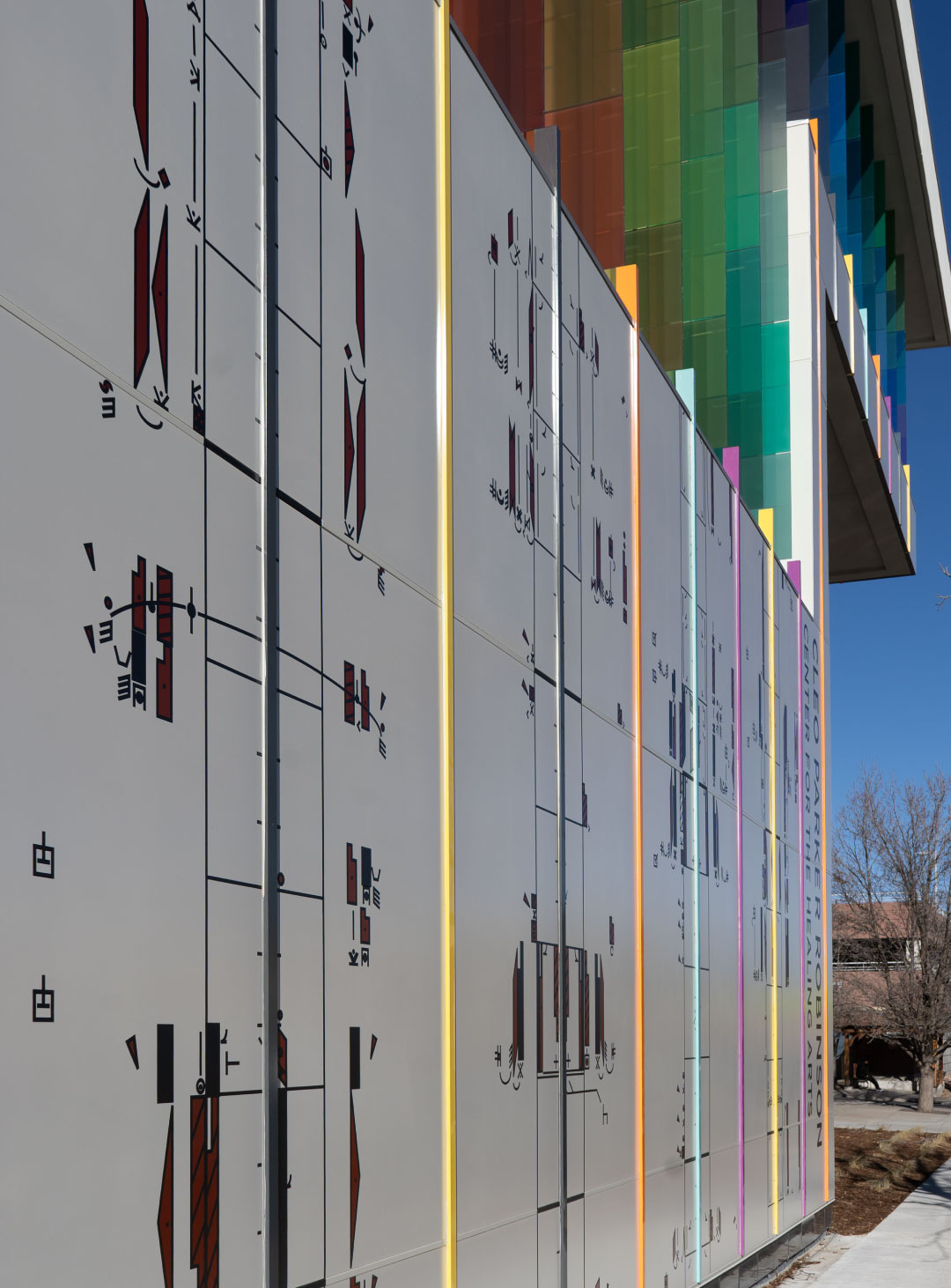
In commercial construction, even minor delays can carry significant consequences. Tight schedules, multiple trades, evolving site conditions, and coordination across disciplines leave little room for systems that require extensive customization or specialized installation practices. Historically, Building-Integrated Photovoltaics have been perceived as complex, innovative in concept but challenging to execute. At Mitrex, we've taken a different approach. Our goal has always been to make solar facades function like a true building material: practical to install, responsive to real-world construction conditions, and adaptable to the needs of modern projects.
In commercial construction, even minor delays can carry significant consequences. Tight schedules, multiple trades, evolving site conditions, and coordination across disciplines leave little room for systems that require extensive customization or specialized installation practices. Historically, Building-Integrated Photovoltaics have been perceived as complex, innovative in concept but challenging to execute. At Mitrex, we've taken a different approach. Our goal has always been to make solar facades function like a true building material: practical to install, responsive to real-world construction conditions, and adaptable to the needs of modern projects.
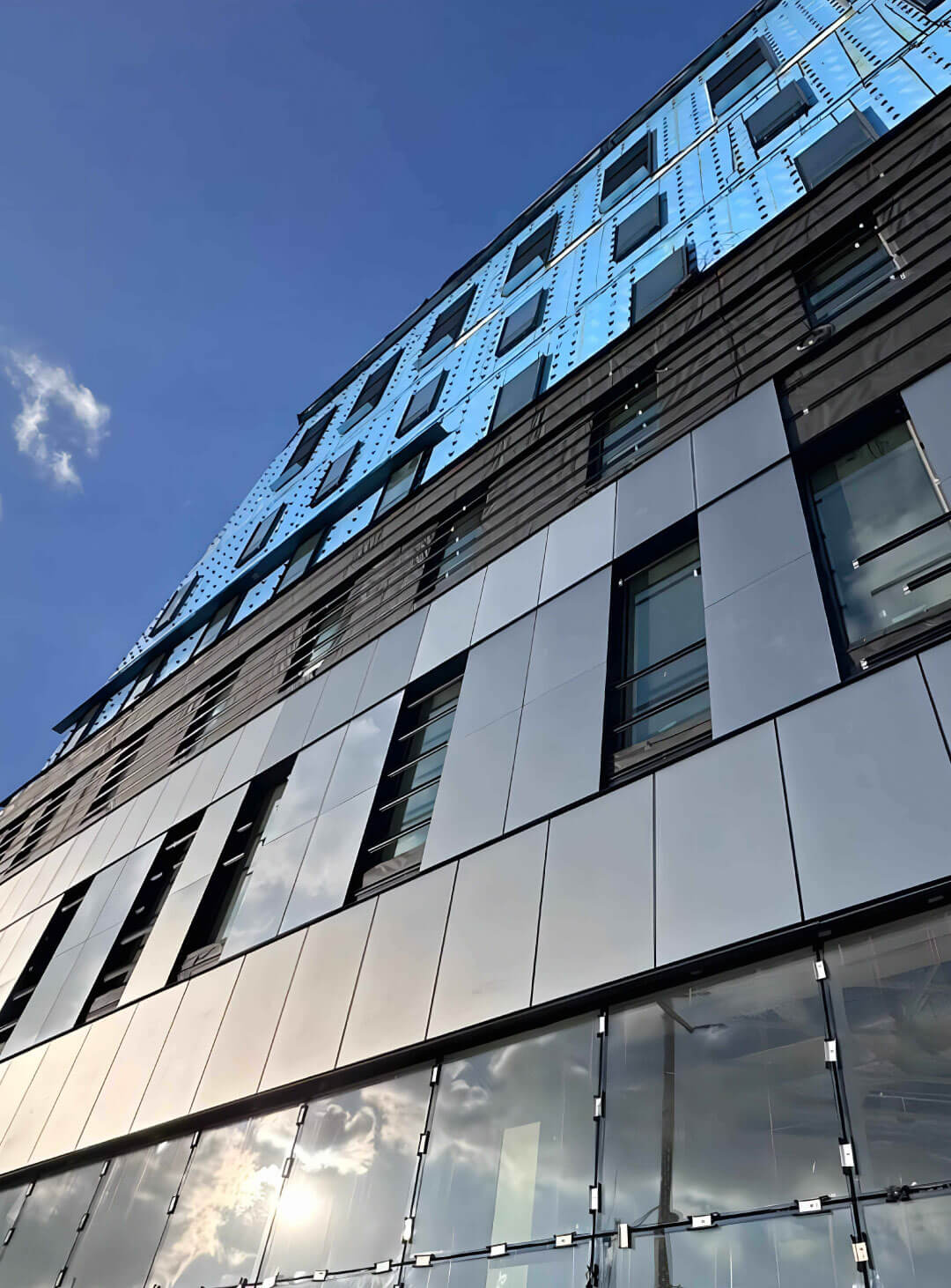
Mitrex solar facades combine the function of building cladding with long-term on-site energy generation, transforming the building envelope into an income-generating asset. While upfront costs may exceed conventional materials in some scenarios, stacked incentives, operational savings, and long-term durability significantly improve lifecycle value and payback performance.
Mitrex solar facades combine the function of building cladding with long-term on-site energy generation, transforming the building envelope into an income-generating asset. While upfront costs may exceed conventional materials in some scenarios, stacked incentives, operational savings, and long-term durability significantly improve lifecycle value and payback performance.

.svg)
