
BIPV
May 14, 2025
Building-Integrated Photovoltaics (BIPV) are revolutionizing sustainable architecture by transforming buildings into active clean energy producers. But how do these solutions integrate seamlessly with existing building infrastructure? Mitrex BIPV solutions—including solar facades, Solar Glass, and SolaRail™—are specifically designed for effortless integration with existing building systems, delivering energy resilience, substantial cost savings, and supporting net-zero objectives.
Integrating BIPV into existing building systems ensures uninterrupted energy supply, reduces peak demand charges, and offers participation in grid service programs, significantly improving financial returns. As sustainable architecture continues to grow globally, BIPV coupled with energy storage positions buildings as leaders in renewable energy use.
Mitrex BIPV solutions are ideal both for retrofits of existing buildings needing upgrades and for new constructions seeking advanced sustainability standards from inception. They enhance existing features, deliver aesthetic improvements, ensure compliance with green building certifications, and reduce energy costs through available incentives and rebates.
As detailed in our maintenance guide, Mitrex modules require minimal upkeep, making them optimal for pairing with long-term energy storage solutions.
Residential Retrofits
Mitrex SolaRail™ solutions are perfect for multi-unit residential buildings that lack sufficient roof space. At 1154 Wilson Avenue in Toronto, Canada, Mitrex solar railings integrated smoothly with the existing electrical infrastructure, requiring minimal electrical reconfiguration. When combined with battery storage, these systems ensure reliable, independent power supply, particularly beneficial during power outages or nighttime.
Commercial Integration
The SAMIH commercial project demonstrates significant benefits from integrating Mitrex solar facades with energy storage, generating approximately $80,000 annually in energy revenues while earning LEED certification points. This project showcases how effectively integrating BIPV with storage significantly enhances both financial and environmental performance.
Government incentives significantly boost the economic feasibility of integrating BIPV and storage solutions:
Projects like SAMIH illustrate the economic viability and long-term advantages of integrating BIPV with storage, making these solutions smart investments in sustainable architecture.
Mitrex BIPV solutions convert buildings into self-sufficient energy hubs, promoting resilience and sustainability. Explore how easily Mitrex integrates clean energy production into architectural designs and existing infrastructure, ensuring substantial operational savings and enduring environmental benefits.
Ready to integrate BIPV solutions into a project?
News & Articles
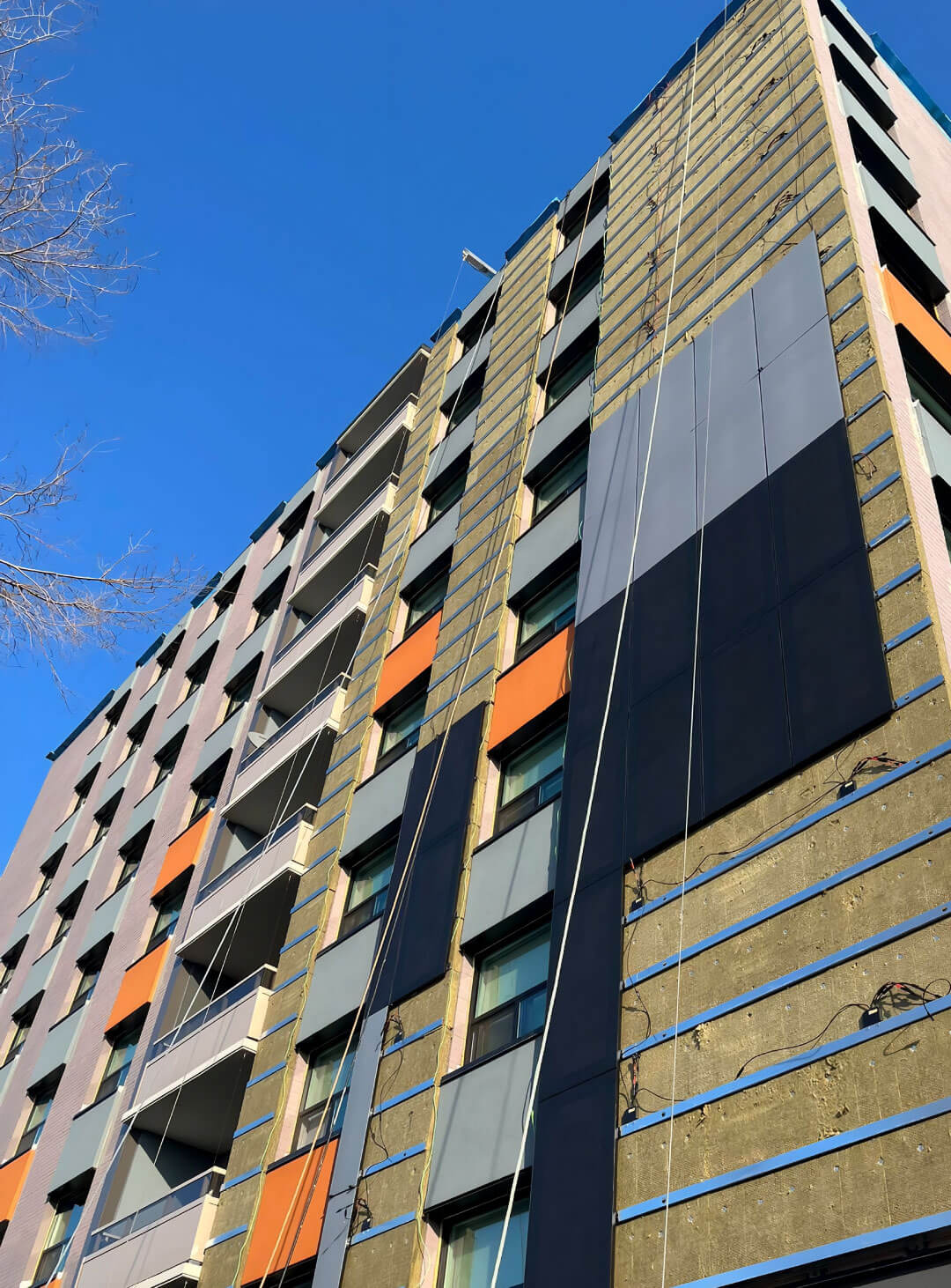

A solar facade module is only as good as the system that holds it to the building. Mitrex offers three core installation systems, CladiShield, Claditized, and CladiFab, plus product-specific hardware for eFacade TILT and eFacade LITE, each suited to different project types, schedules, and architectural goals. This piece breaks down how each system works and where it fits.
A solar facade module is only as good as the system that holds it to the building. Mitrex offers three core installation systems, CladiShield, Claditized, and CladiFab, plus product-specific hardware for eFacade TILT and eFacade LITE, each suited to different project types, schedules, and architectural goals. This piece breaks down how each system works and where it fits.
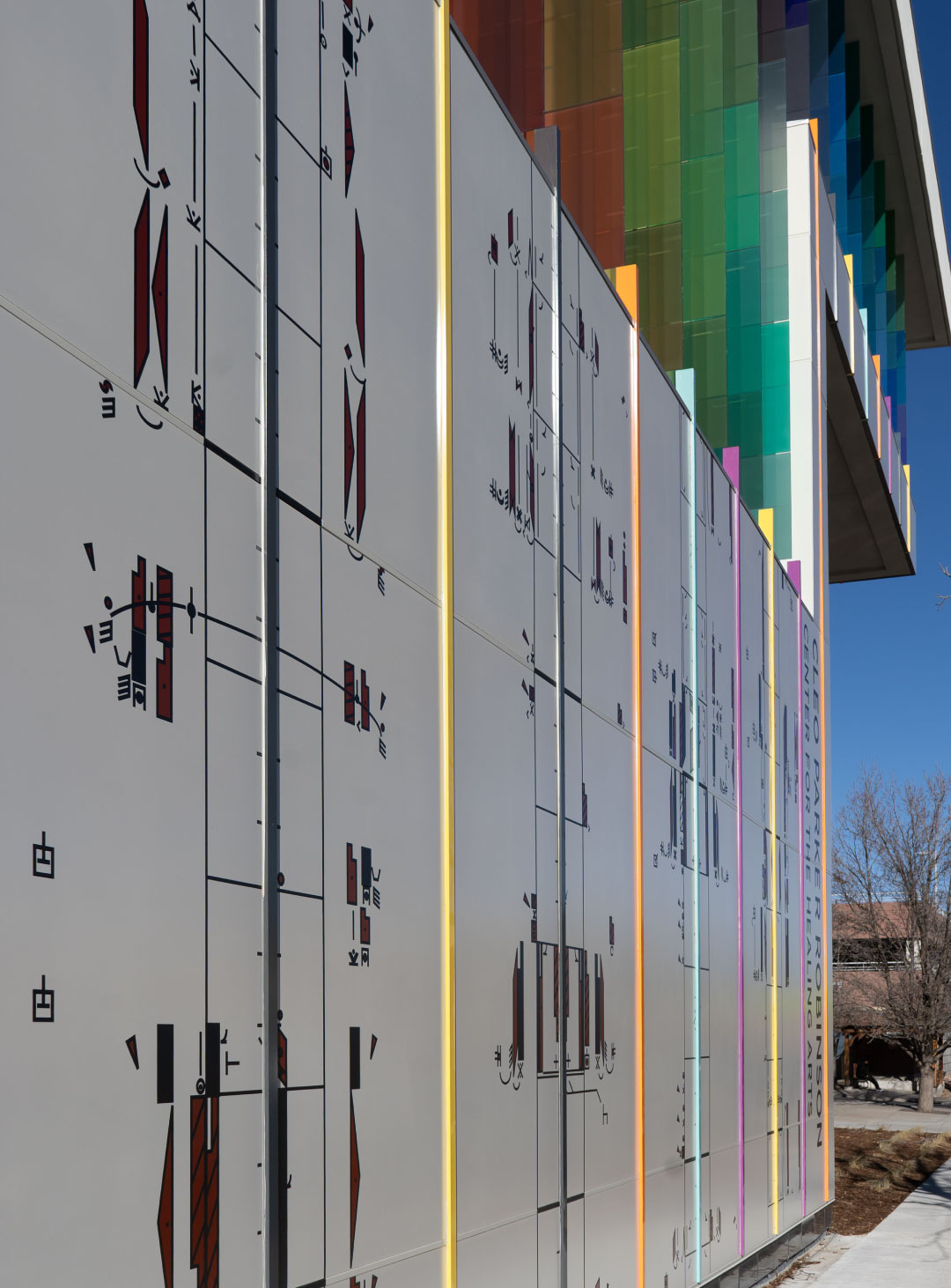
In commercial construction, even minor delays can carry significant consequences. Tight schedules, multiple trades, evolving site conditions, and coordination across disciplines leave little room for systems that require extensive customization or specialized installation practices. Historically, Building-Integrated Photovoltaics have been perceived as complex, innovative in concept but challenging to execute. At Mitrex, we've taken a different approach. Our goal has always been to make solar facades function like a true building material: practical to install, responsive to real-world construction conditions, and adaptable to the needs of modern projects.
In commercial construction, even minor delays can carry significant consequences. Tight schedules, multiple trades, evolving site conditions, and coordination across disciplines leave little room for systems that require extensive customization or specialized installation practices. Historically, Building-Integrated Photovoltaics have been perceived as complex, innovative in concept but challenging to execute. At Mitrex, we've taken a different approach. Our goal has always been to make solar facades function like a true building material: practical to install, responsive to real-world construction conditions, and adaptable to the needs of modern projects.
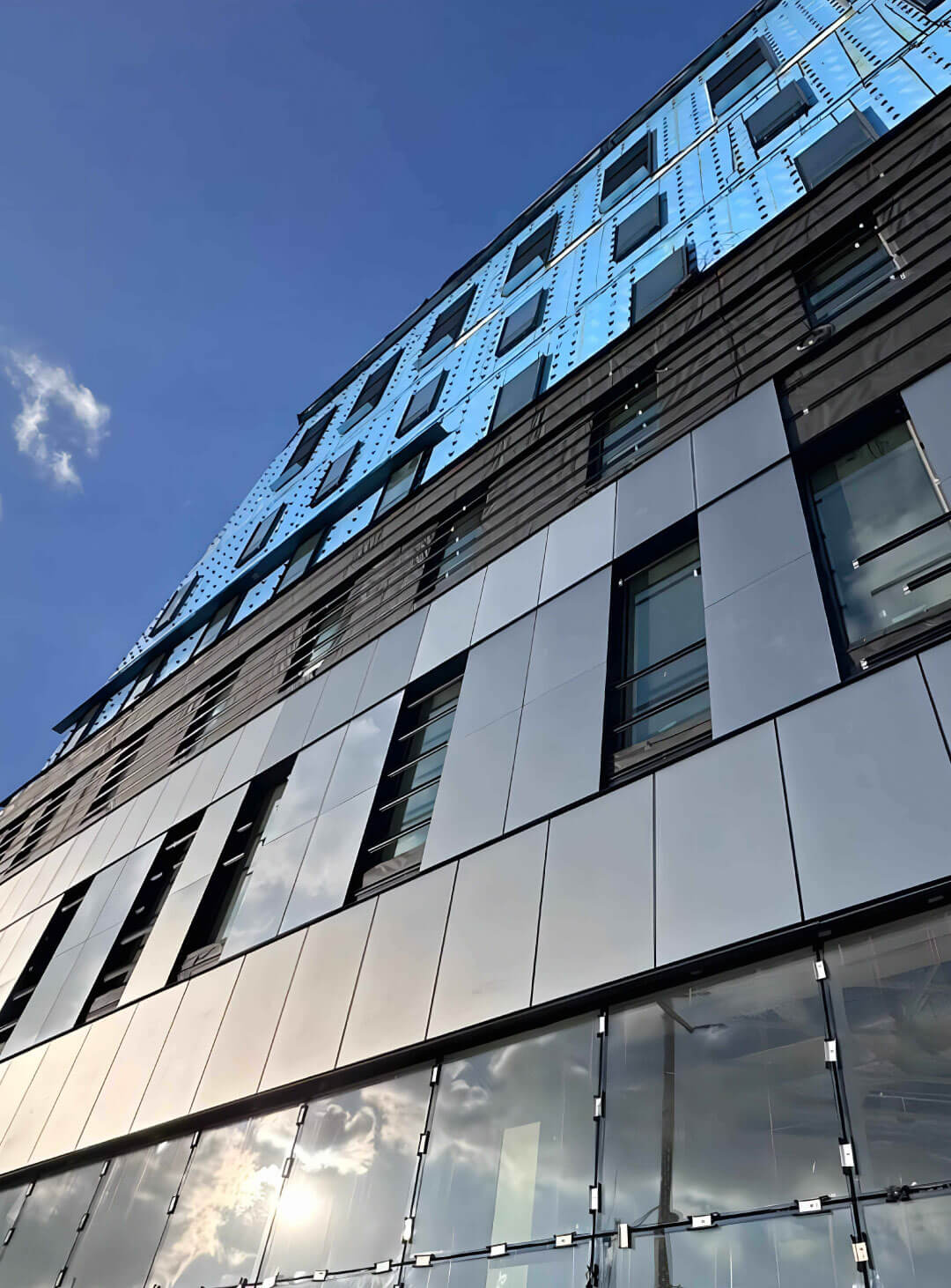
Mitrex solar facades combine the function of building cladding with long-term on-site energy generation, transforming the building envelope into an income-generating asset. While upfront costs may exceed conventional materials in some scenarios, stacked incentives, operational savings, and long-term durability significantly improve lifecycle value and payback performance.
Mitrex solar facades combine the function of building cladding with long-term on-site energy generation, transforming the building envelope into an income-generating asset. While upfront costs may exceed conventional materials in some scenarios, stacked incentives, operational savings, and long-term durability significantly improve lifecycle value and payback performance.

.svg)
