
BIPV
January 28, 2026
Fire safety is one of the most defining constraints in building design. For architects, engineers, and owners, a facade system must demonstrate compliance with recognized fire-testing requirements before it can be considered for integration into a commercial, residential, or institutional high-rise.
Mitrex building-integrated photovoltaics (BIPV) address this need directly. By engineering solar facades as part of fire-tested assemblies, Mitrex enables teams to incorporate on-site energy generation without compromising safety, permitting, or code requirements.
High-rise buildings introduce unique risks related to vertical fire spread. Exterior wall assemblies must be able to prevent flames from propagating upward or between compartments: a critical safety requirement in major building codes across North America.
This is why many jurisdictions, including New York City, Chicago, Los Angeles, and major Canadian municipalities, require cladding systems to demonstrate assembly-level fire performance.
Mitrex BIPV systems respond to these requirements with tested, compliant assemblies suitable for tall-building applications, all of which can be found in our General Testing Summary.
Based on Mitrex’s published fire-safety documentation, BIPV systems have been evaluated against several industry standards, including:
These tests assess the behaviour of complete wall assemblies, not individual components, offering realistic performance verification for dense urban environments and high-rise development.
Mitrex BIPV systems incorporate:
This construction strategy reduces surface flammability, supports compliance with code-driven fire testing, and ensures the photovoltaic layer does not compromise the safety of the wall system.
For owners and development teams, fire-rated BIPV offers meaningful benefits:
This combination makes BIPV a compelling option for both recladding projects and new construction in code-sensitive markets.
Mitrex supports the permitting and review process by providing:
This technical package helps architects, owners, facade consultants, and engineers prepare submissions for authorities having jurisdiction.
Fire-rated BIPV enables buildings to meet the highest safety expectations while contributing to long-term sustainability goals. For architects, this opens opportunities for expressive facade design; for engineers, it ensures assembly compliance; for owners, it provides performance and value without compromising life-safety requirements.
As the demand for resilient, energy-generating building materials grows, fire-rated solar facades will continue to play a central role in shaping safe and sustainable high-rise architecture.
Explore the Possibilities
News & Articles
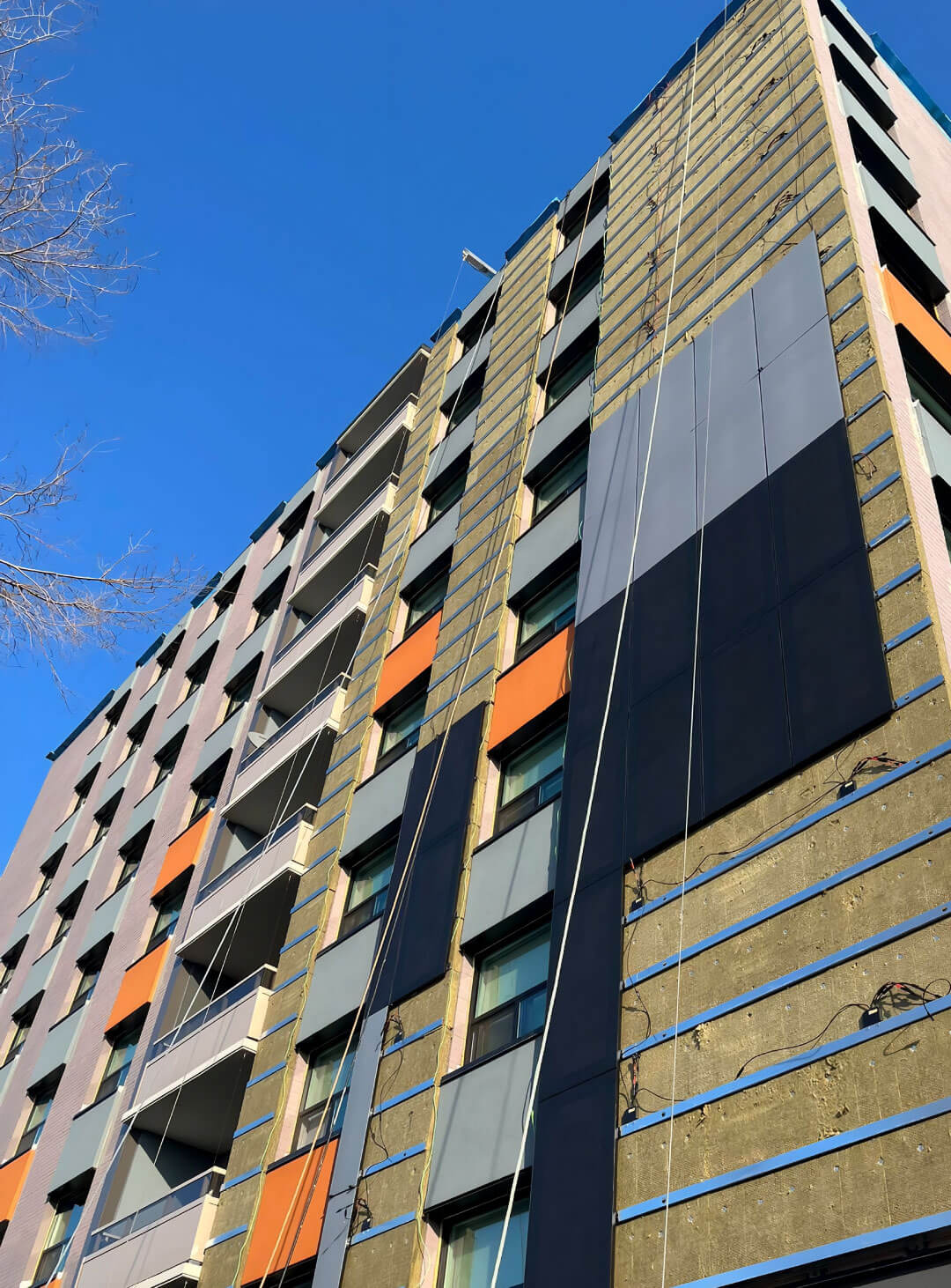

A solar facade module is only as good as the system that holds it to the building. Mitrex offers three core installation systems, CladiShield, Claditized, and CladiFab, plus product-specific hardware for eFacade TILT and eFacade LITE, each suited to different project types, schedules, and architectural goals. This piece breaks down how each system works and where it fits.
A solar facade module is only as good as the system that holds it to the building. Mitrex offers three core installation systems, CladiShield, Claditized, and CladiFab, plus product-specific hardware for eFacade TILT and eFacade LITE, each suited to different project types, schedules, and architectural goals. This piece breaks down how each system works and where it fits.
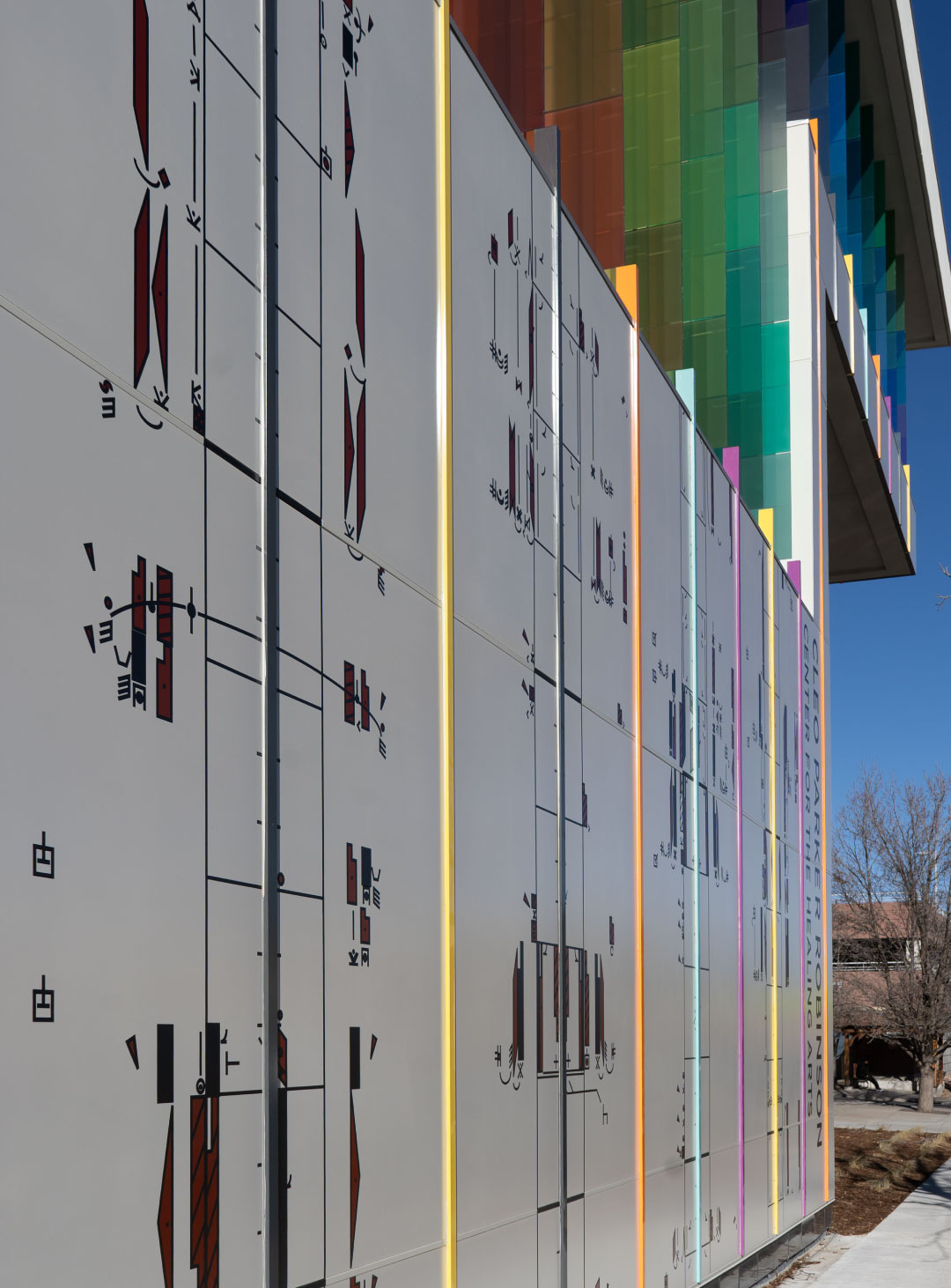
In commercial construction, even minor delays can carry significant consequences. Tight schedules, multiple trades, evolving site conditions, and coordination across disciplines leave little room for systems that require extensive customization or specialized installation practices. Historically, Building-Integrated Photovoltaics have been perceived as complex, innovative in concept but challenging to execute. At Mitrex, we've taken a different approach. Our goal has always been to make solar facades function like a true building material: practical to install, responsive to real-world construction conditions, and adaptable to the needs of modern projects.
In commercial construction, even minor delays can carry significant consequences. Tight schedules, multiple trades, evolving site conditions, and coordination across disciplines leave little room for systems that require extensive customization or specialized installation practices. Historically, Building-Integrated Photovoltaics have been perceived as complex, innovative in concept but challenging to execute. At Mitrex, we've taken a different approach. Our goal has always been to make solar facades function like a true building material: practical to install, responsive to real-world construction conditions, and adaptable to the needs of modern projects.
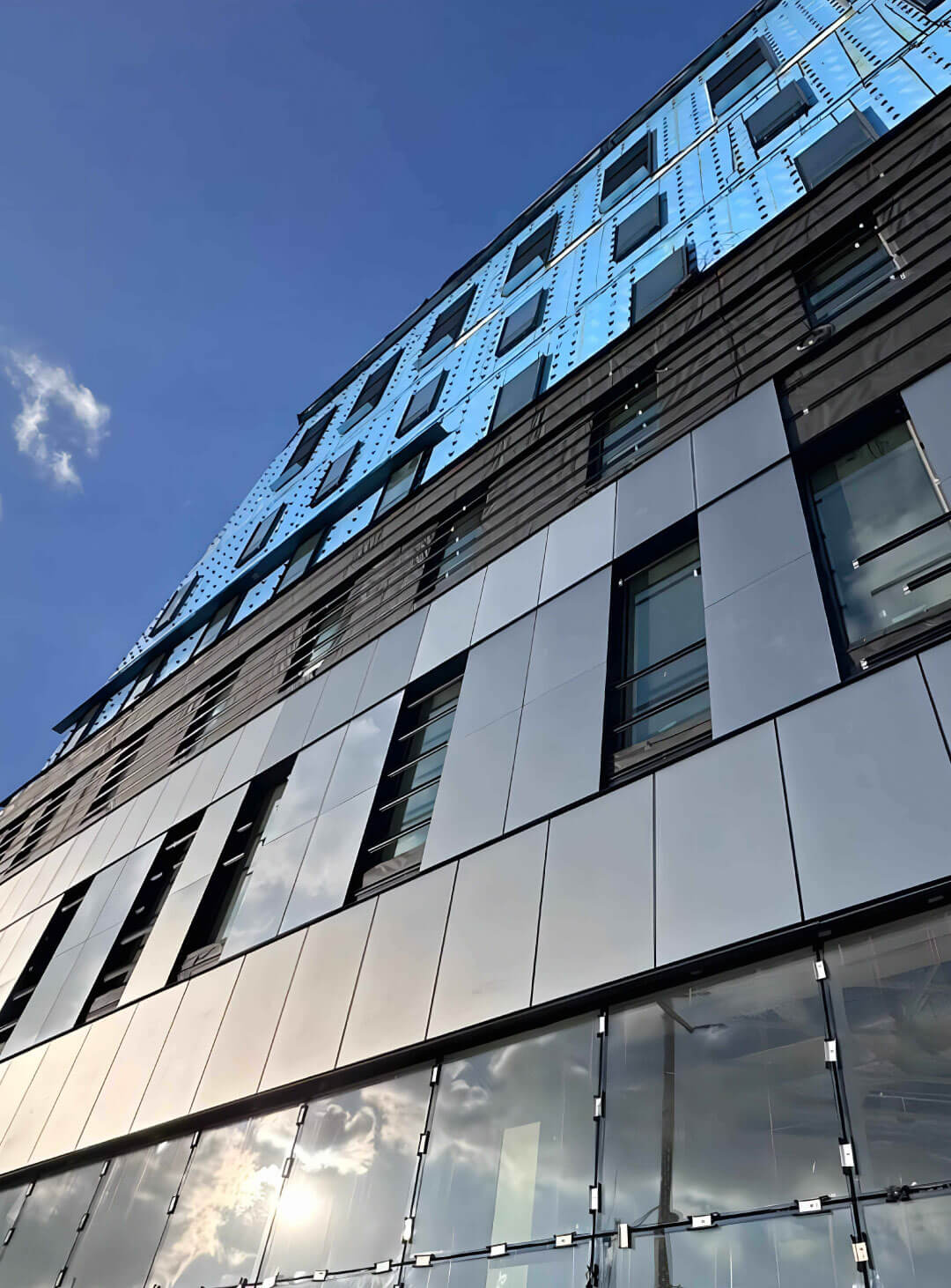
Mitrex solar facades combine the function of building cladding with long-term on-site energy generation, transforming the building envelope into an income-generating asset. While upfront costs may exceed conventional materials in some scenarios, stacked incentives, operational savings, and long-term durability significantly improve lifecycle value and payback performance.
Mitrex solar facades combine the function of building cladding with long-term on-site energy generation, transforming the building envelope into an income-generating asset. While upfront costs may exceed conventional materials in some scenarios, stacked incentives, operational savings, and long-term durability significantly improve lifecycle value and payback performance.

.svg)
