BIPV
January 14, 2026
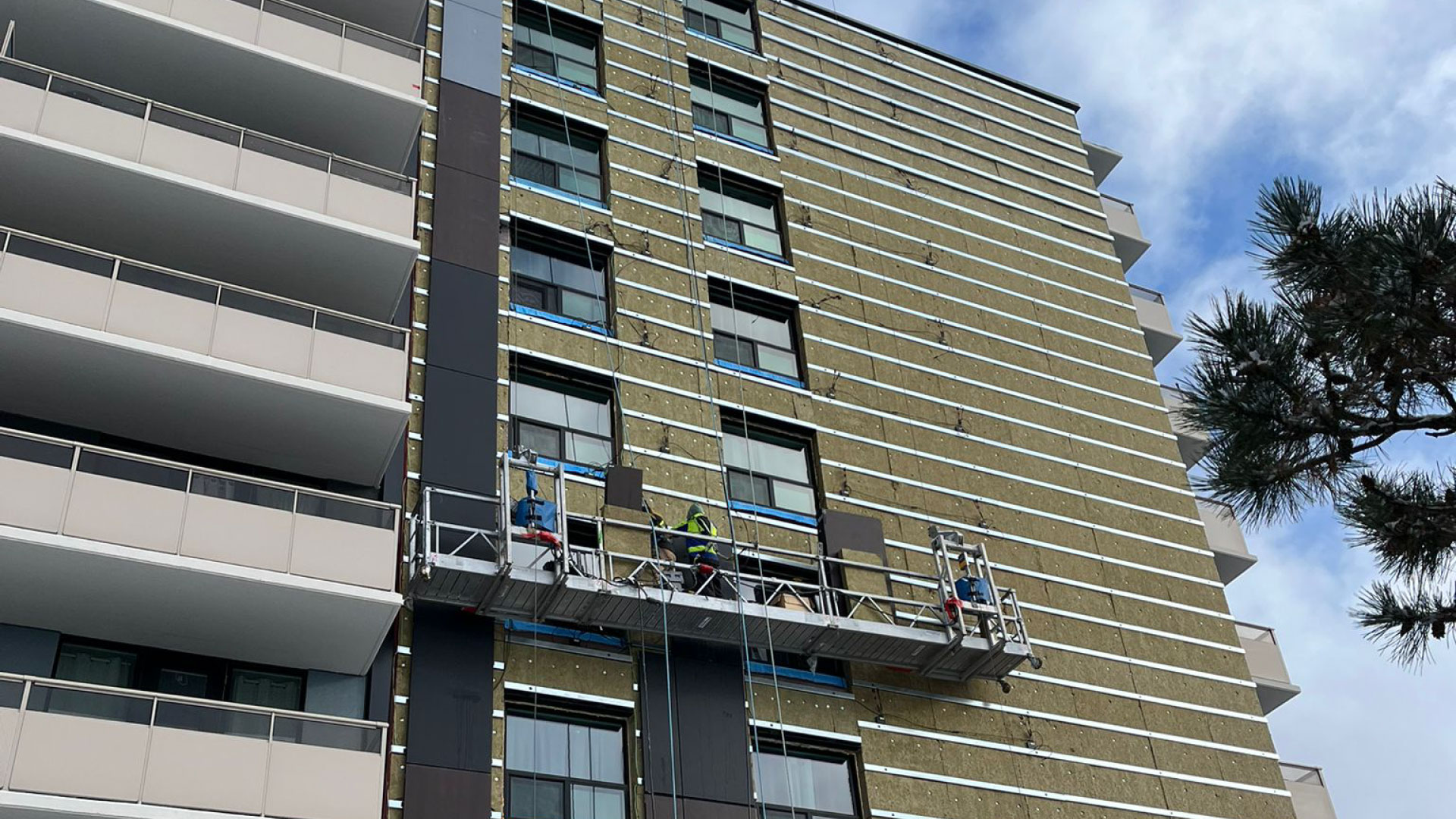
One of the most common questions project teams ask is: how long will it take to install Mitrex solar cladding systems? The answer isn’t one-size-fits-all; installation timelines depend on several project-specific factors, including size, access, product type, and site sequencing.
But with proper planning, Mitrex’s cladding systems can help reduce complexity and keep projects moving efficiently.
While it might be tempting to look for a single number, installation timelines vary widely. Every project is unique, and so is the schedule. Based on Mitrex’s internal planning standards, installation can take anywhere from 1 to 9 months, depending on project size and specifications.
These durations factor in logistics like:
By using prefabricated panels and planning ahead, we help clients minimize downtime, streamline sequencing, and stay on budget.
Below is a breakdown of average daily installation rates per crew based on system type:
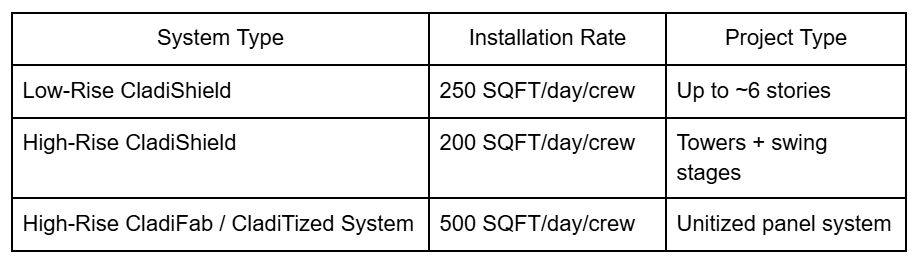
These figures represent average expected rates under normal conditions and do not include site prep, hoist setup, or weather-related delays. Proper sequencing is key; for example, ensuring panels are staged appropriately by elevation can prevent bottlenecks and keep the pace efficient.
Key Takeaways for Project Planning
Mitrex works closely with architects, developers, and project managers to simplify the installation process. From rigging coordination to sequencing logistics, our team can help you stay on schedule and avoid common pitfalls. Contact us today for assistance with project-specific planning or to request a copy of our detailed installation guide.
Lightweight solar cladding is no longer a trade-off, it’s a design advantage. With its streamlined installation, high-efficiency output, and design-forward customization, Mitrex empowers building professionals to meet energy requirements without sacrificing creative vision.
Explore more about how Mitrex solar cladding supports modern architecture:
News & Articles
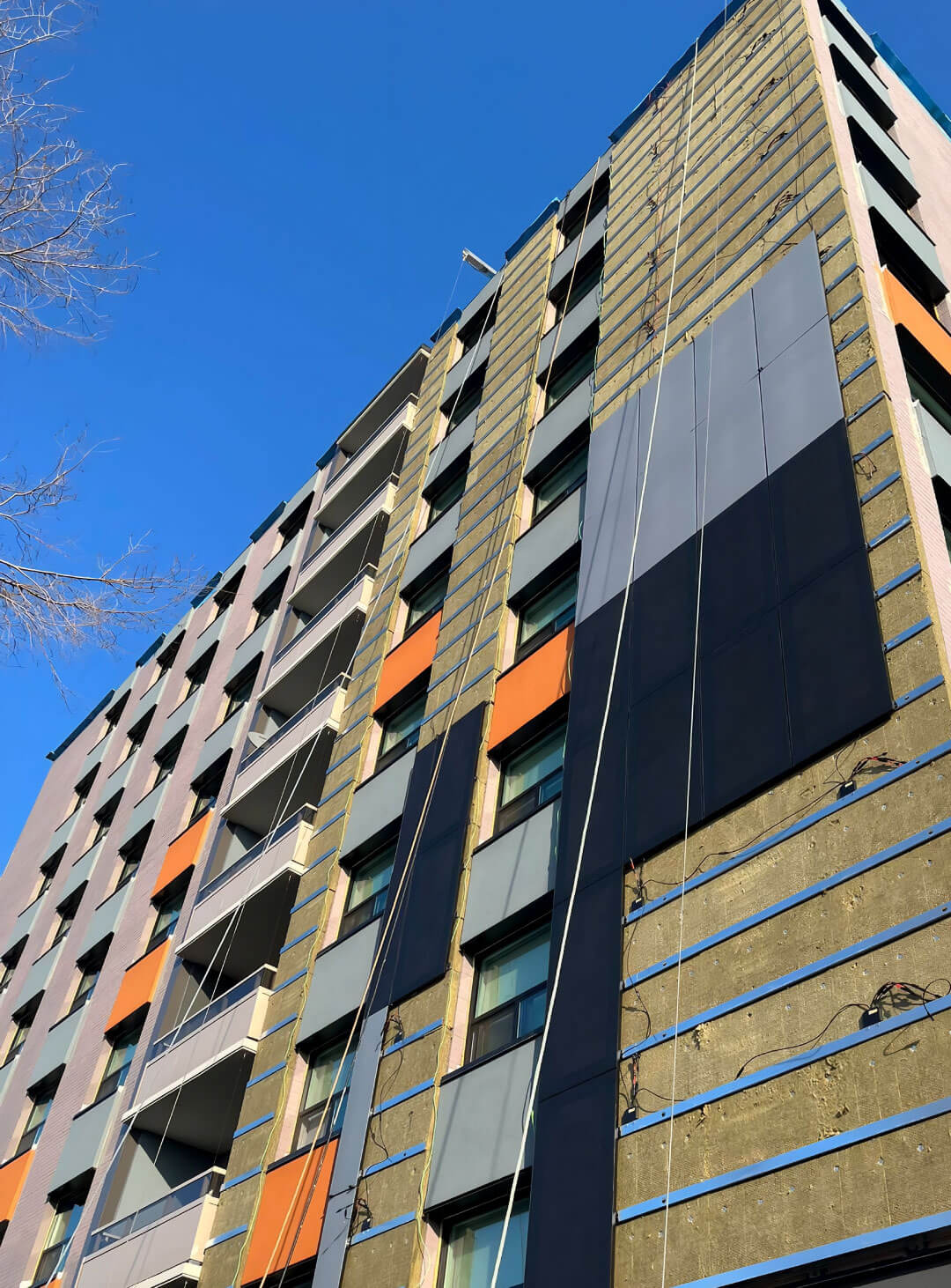

A solar facade module is only as good as the system that holds it to the building. Mitrex offers three core installation systems, CladiShield, Claditized, and CladiFab, plus product-specific hardware for eFacade TILT and eFacade LITE, each suited to different project types, schedules, and architectural goals. This piece breaks down how each system works and where it fits.
A solar facade module is only as good as the system that holds it to the building. Mitrex offers three core installation systems, CladiShield, Claditized, and CladiFab, plus product-specific hardware for eFacade TILT and eFacade LITE, each suited to different project types, schedules, and architectural goals. This piece breaks down how each system works and where it fits.
In commercial construction, even minor delays can carry significant consequences. Tight schedules, multiple trades, evolving site conditions, and coordination across disciplines leave little room for systems that require extensive customization or specialized installation practices. Historically, Building-Integrated Photovoltaics have been perceived as complex, innovative in concept but challenging to execute. At Mitrex, we've taken a different approach. Our goal has always been to make solar facades function like a true building material: practical to install, responsive to real-world construction conditions, and adaptable to the needs of modern projects.
In commercial construction, even minor delays can carry significant consequences. Tight schedules, multiple trades, evolving site conditions, and coordination across disciplines leave little room for systems that require extensive customization or specialized installation practices. Historically, Building-Integrated Photovoltaics have been perceived as complex, innovative in concept but challenging to execute. At Mitrex, we've taken a different approach. Our goal has always been to make solar facades function like a true building material: practical to install, responsive to real-world construction conditions, and adaptable to the needs of modern projects.
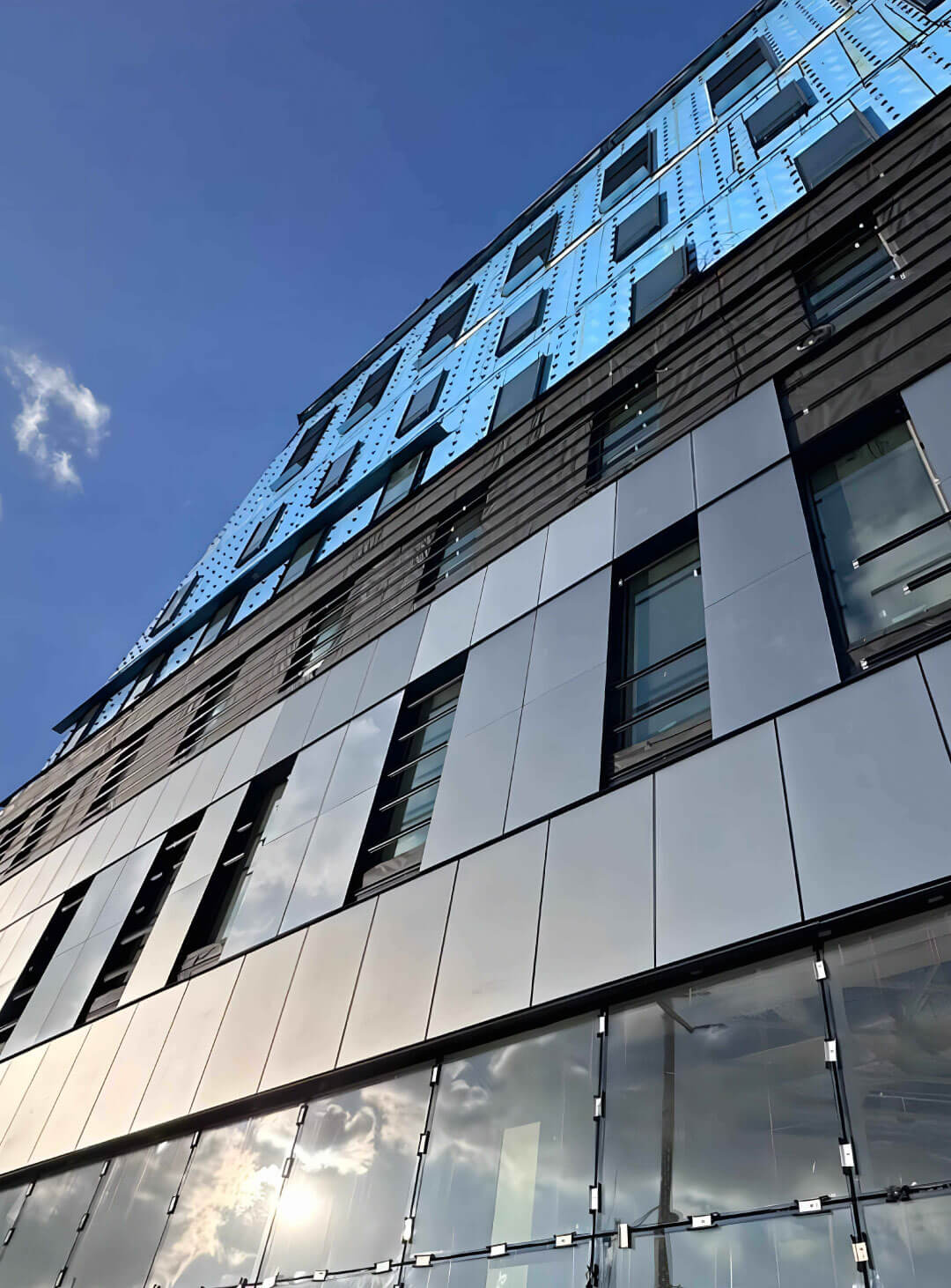
Mitrex solar facades combine the function of building cladding with long-term on-site energy generation, transforming the building envelope into an income-generating asset. While upfront costs may exceed conventional materials in some scenarios, stacked incentives, operational savings, and long-term durability significantly improve lifecycle value and payback performance.
Mitrex solar facades combine the function of building cladding with long-term on-site energy generation, transforming the building envelope into an income-generating asset. While upfront costs may exceed conventional materials in some scenarios, stacked incentives, operational savings, and long-term durability significantly improve lifecycle value and payback performance.

.svg)
