
In the pursuit of sustainable energy solutions, Building Integrated Photovoltaic (BIPV) facades have emerged as a groundbreaking technology, offering an innovative way to harness solar energy. These modules are very low-maintenance and don’t require frequent cleaning due to their innovative features and capabilities. This blog post will delve into the nature of cleaning PV facades and provide a step-by-step guide on how to do it effectively.
One of the significant advantages of PV facades lies in their vertical application. Traditional solar panels, placed horizontally or at a slight tilt on rooftops, are more prone to accumulate dirt, dust, leaves, and even bird droppings. Conversely, the vertical application of BIPV modules inherently reduces this accumulation. Due to the pull of gravity, most particles and debris simply fall off, and rainwater can also naturally clean the surface as it flows downward, lowering the need for frequent maintenance and ensuring optimal performance for energy production.
Another noteworthy feature of BIPV is the innovative anti-soiling coating. This coating is designed to repel dirt and water, further reducing the adherence of dust and other particulates. With such a protective layer, the BIPV panels not only remain cleaner for more extended periods but are also significantly easier to clean when the time comes. Cleaning PV facades require significantly less scrubbing, reduced need for detergents, and quicker cleaning times. When combined with the vertical application mentioned above, it's clear why solar facades are an excellent choice for both energy production and low-maintenance architectural solutions!
Begin by rinsing the solar facade with water to remove any loose debris. This initial step helps to prevent scratching the glass surface during subsequent cleaning.
If some debris persists, use a mild soap and water solution to gently scrub the surface. Ensure that the soap used is not too harsh, as strong cleaners can damage the glass and coatings.
After scrubbing, thoroughly rinse the solar facade to remove any soap residue. This step is crucial to prevent streaks or residue buildup that could affect the performance of the modules. As we progress towards a future driven by sustainable energy, BIPV facades shine as both a technological wonder and an architectural gem. Their design and vertical application minimize maintenance demands, and with the addition of their anti-soiling coatings, cleaning becomes notably easier. By adopting such innovations in our infrastructure, we not only enhance the buildings' aesthetics but also make meaningful strides toward a greener and more sustainable tomorrow.
News & Articles
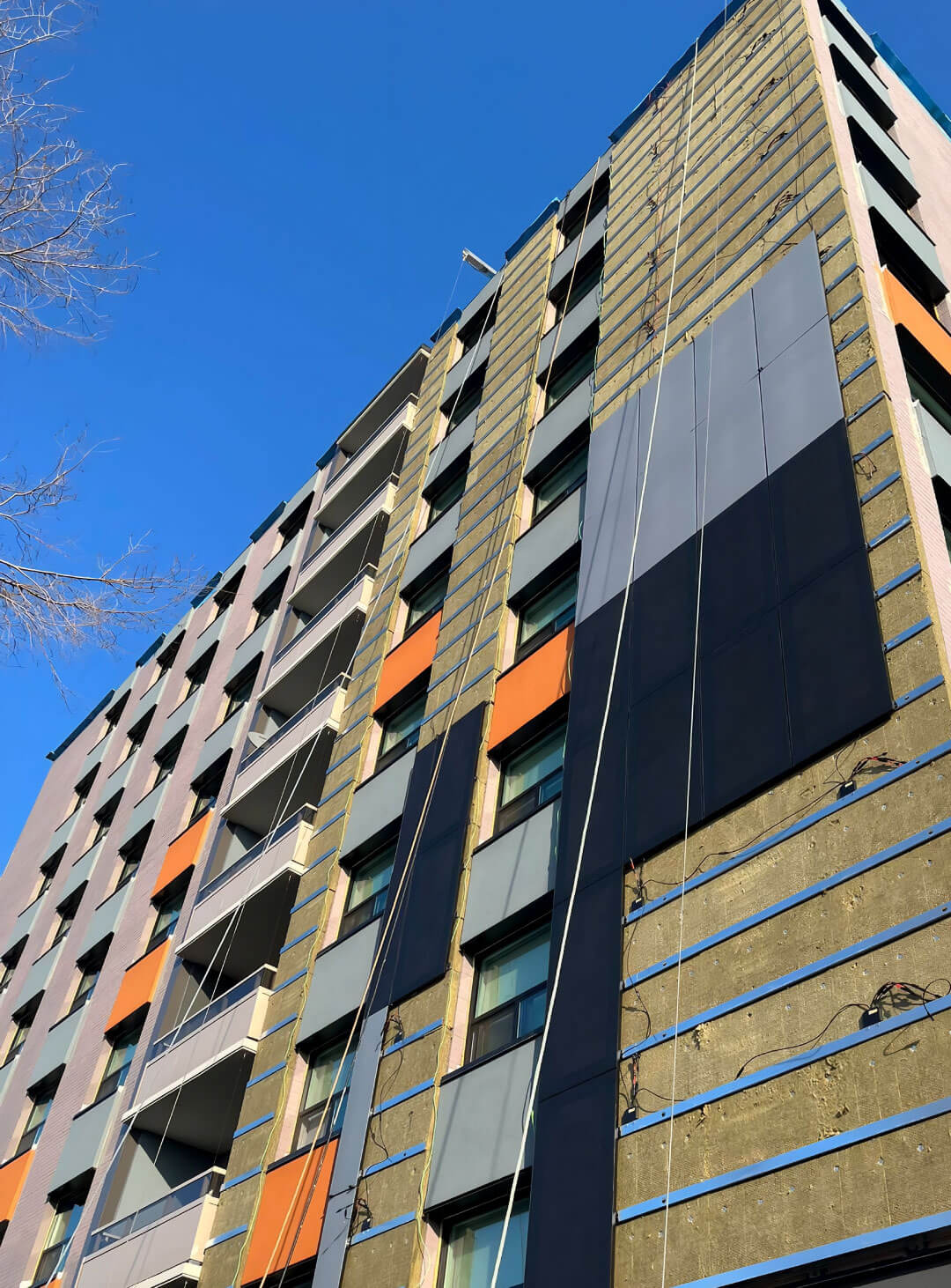

A solar facade module is only as good as the system that holds it to the building. Mitrex offers three core installation systems, CladiShield, Claditized, and CladiFab, plus product-specific hardware for eFacade TILT and eFacade LITE, each suited to different project types, schedules, and architectural goals. This piece breaks down how each system works and where it fits.
A solar facade module is only as good as the system that holds it to the building. Mitrex offers three core installation systems, CladiShield, Claditized, and CladiFab, plus product-specific hardware for eFacade TILT and eFacade LITE, each suited to different project types, schedules, and architectural goals. This piece breaks down how each system works and where it fits.
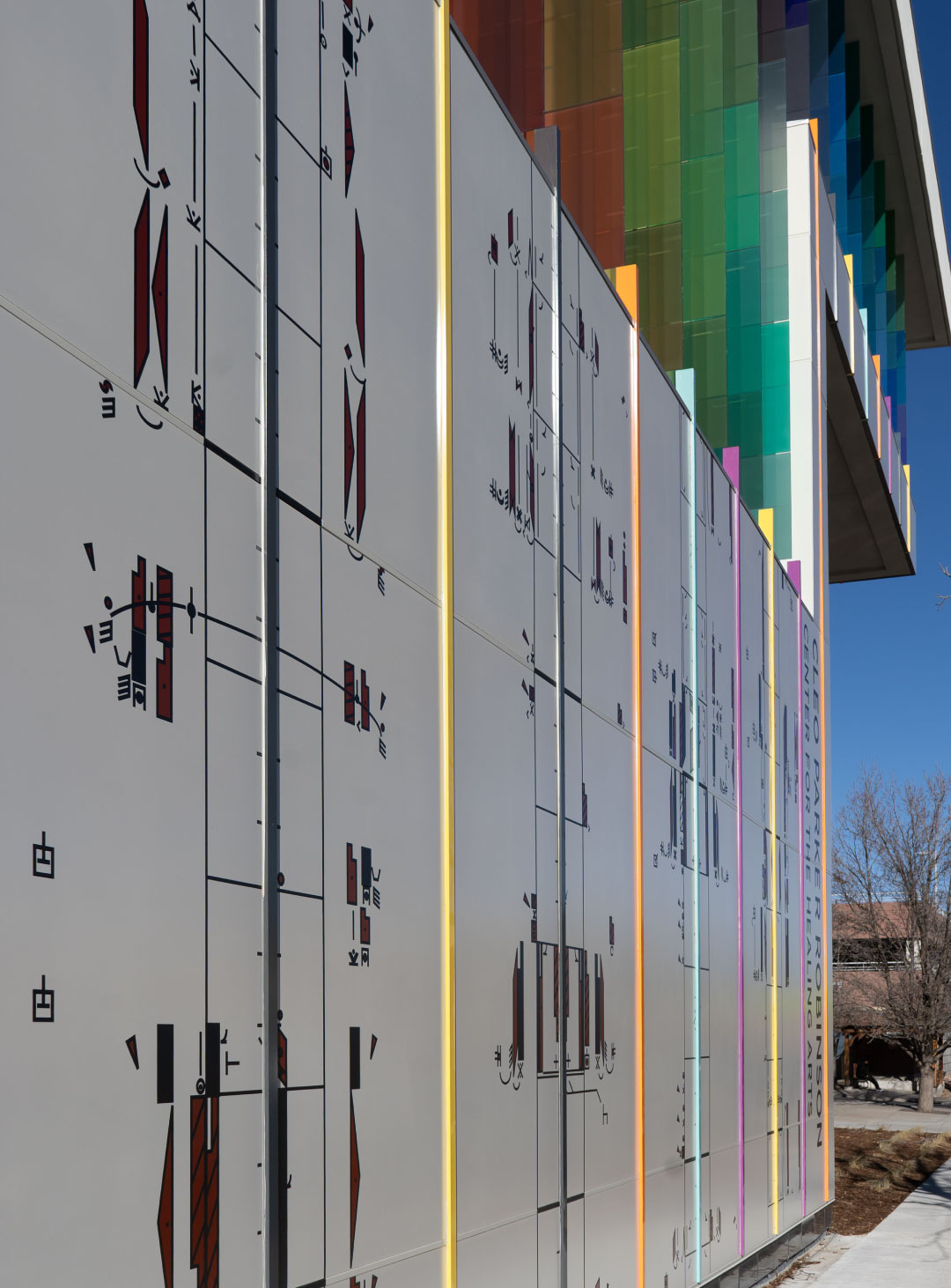
In commercial construction, even minor delays can carry significant consequences. Tight schedules, multiple trades, evolving site conditions, and coordination across disciplines leave little room for systems that require extensive customization or specialized installation practices. Historically, Building-Integrated Photovoltaics have been perceived as complex, innovative in concept but challenging to execute. At Mitrex, we've taken a different approach. Our goal has always been to make solar facades function like a true building material: practical to install, responsive to real-world construction conditions, and adaptable to the needs of modern projects.
In commercial construction, even minor delays can carry significant consequences. Tight schedules, multiple trades, evolving site conditions, and coordination across disciplines leave little room for systems that require extensive customization or specialized installation practices. Historically, Building-Integrated Photovoltaics have been perceived as complex, innovative in concept but challenging to execute. At Mitrex, we've taken a different approach. Our goal has always been to make solar facades function like a true building material: practical to install, responsive to real-world construction conditions, and adaptable to the needs of modern projects.
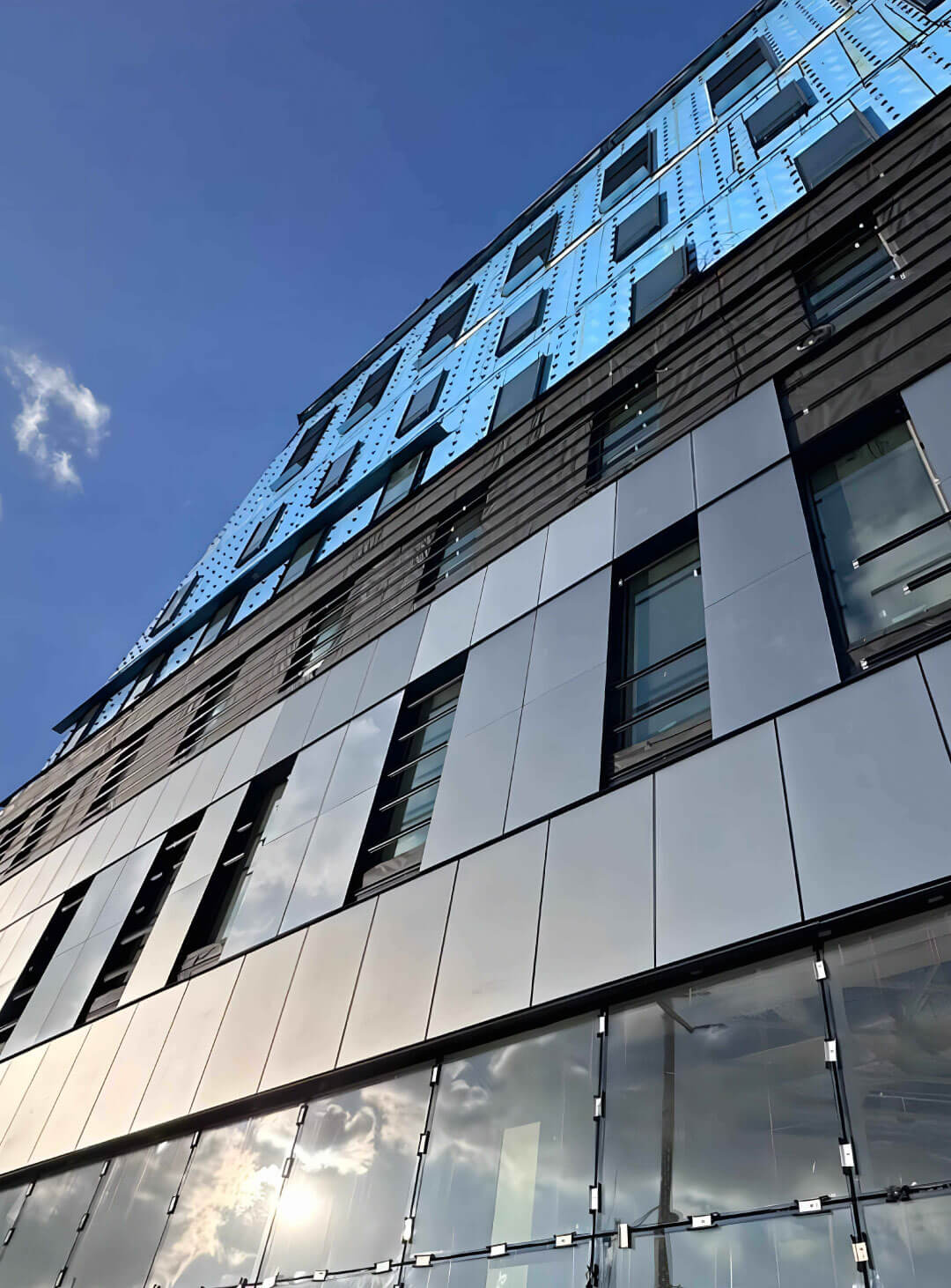
Mitrex solar facades combine the function of building cladding with long-term on-site energy generation, transforming the building envelope into an income-generating asset. While upfront costs may exceed conventional materials in some scenarios, stacked incentives, operational savings, and long-term durability significantly improve lifecycle value and payback performance.
Mitrex solar facades combine the function of building cladding with long-term on-site energy generation, transforming the building envelope into an income-generating asset. While upfront costs may exceed conventional materials in some scenarios, stacked incentives, operational savings, and long-term durability significantly improve lifecycle value and payback performance.

.svg)
