
BIPV
November 3, 2023
Building-Integrated Photovoltaics (BIPV) is an innovative approach that integrates photovoltaic panels as part of the building structure, offering architectural aesthetics, functionality, and energy production. As with any new technology, especially one that intertwines with the construction industry, rigorous testing is essential. Let's dive into the requirements for BIPV solar modules and examine how Mitrex, a leading innovator in the sector, has performed in its tests.
As a leading industry player, Mitrex has dedicated a significant portion of its resources to ensure our BIPV solar modules meet industry standards.
Certifications addressing the structural and safety aspects of construction materials encompass both fire-related and mechanical evaluations. For mechanical evaluations, Mitrex undergoes several tests, notably: ASTM E1996-14a for Missile Impact, ASTM E331-00 for Water Infiltration, and ASTM E1886-13a for Pressure Cycling, among others.
Mitrex aligns with all requisite fire safety certifications, reinforcing the code compliance of our BIPV solar modules. Essential fire evaluations they undergo include CAN/ULC S134-92 for Exterior Wall Assembly Fire Tests, CAN/ULC S102:2018 assessing Surface Burn Characteristics of Building Components, CAN/ULC S114 for Ascertaining Non-Combustibility, the ASTM E119 Test for Fire Ratings, and the NFPA 285 Multi-Story Fire Test.
Mitrex's BIPV solar modules come backed by certifications from CSA, UL, and IEC. These accreditations stem from a myriad of standards, notably: UL 61215, UL 61730, CSA C22.2 No. 61730, CSA C22.2 No. 61215, IEC 61215, and IEC 61730. Specifically, IEC 61730 vouches for the mechanical and electrical safety and reliability of the PV modules.BIPV systems, like those offered by Mitrex, represent a promising frontier in sustainable construction. As BIPV technology continues to evolve, rigorous testing remains crucial to ensure the safety, efficiency, and longevity of these innovative solutions.
News & Articles
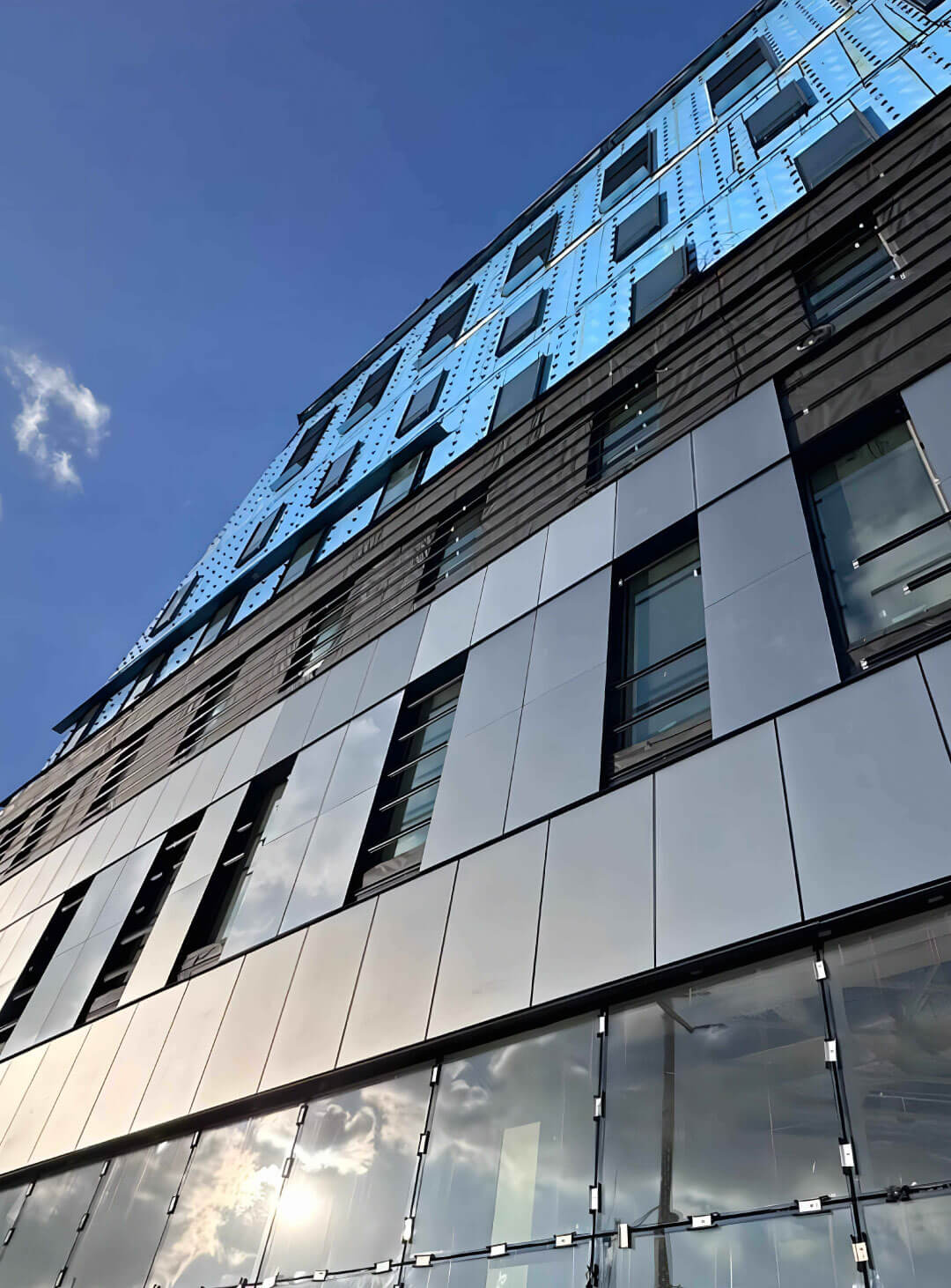

Mitrex solar facades combine the function of building cladding with long-term on-site energy generation, transforming the building envelope into an income-generating asset. While upfront costs may exceed conventional materials in some scenarios, stacked incentives, operational savings, and long-term durability significantly improve lifecycle value and payback performance.
Mitrex solar facades combine the function of building cladding with long-term on-site energy generation, transforming the building envelope into an income-generating asset. While upfront costs may exceed conventional materials in some scenarios, stacked incentives, operational savings, and long-term durability significantly improve lifecycle value and payback performance.

Buildings account for a significant share of global carbon emissions, driven by both operational energy use and embodied carbon in construction materials. Building-Integrated Photovoltaics (BIPV) offer a unique opportunity to address both challenges simultaneously. By integrating solar energy generation directly into the building envelope, Mitrex BIPV systems enable buildings to generate clean electricity onsite while contributing to long-term energy efficiency and sustainability goals.
Buildings account for a significant share of global carbon emissions, driven by both operational energy use and embodied carbon in construction materials. Building-Integrated Photovoltaics (BIPV) offer a unique opportunity to address both challenges simultaneously. By integrating solar energy generation directly into the building envelope, Mitrex BIPV systems enable buildings to generate clean electricity onsite while contributing to long-term energy efficiency and sustainability goals.
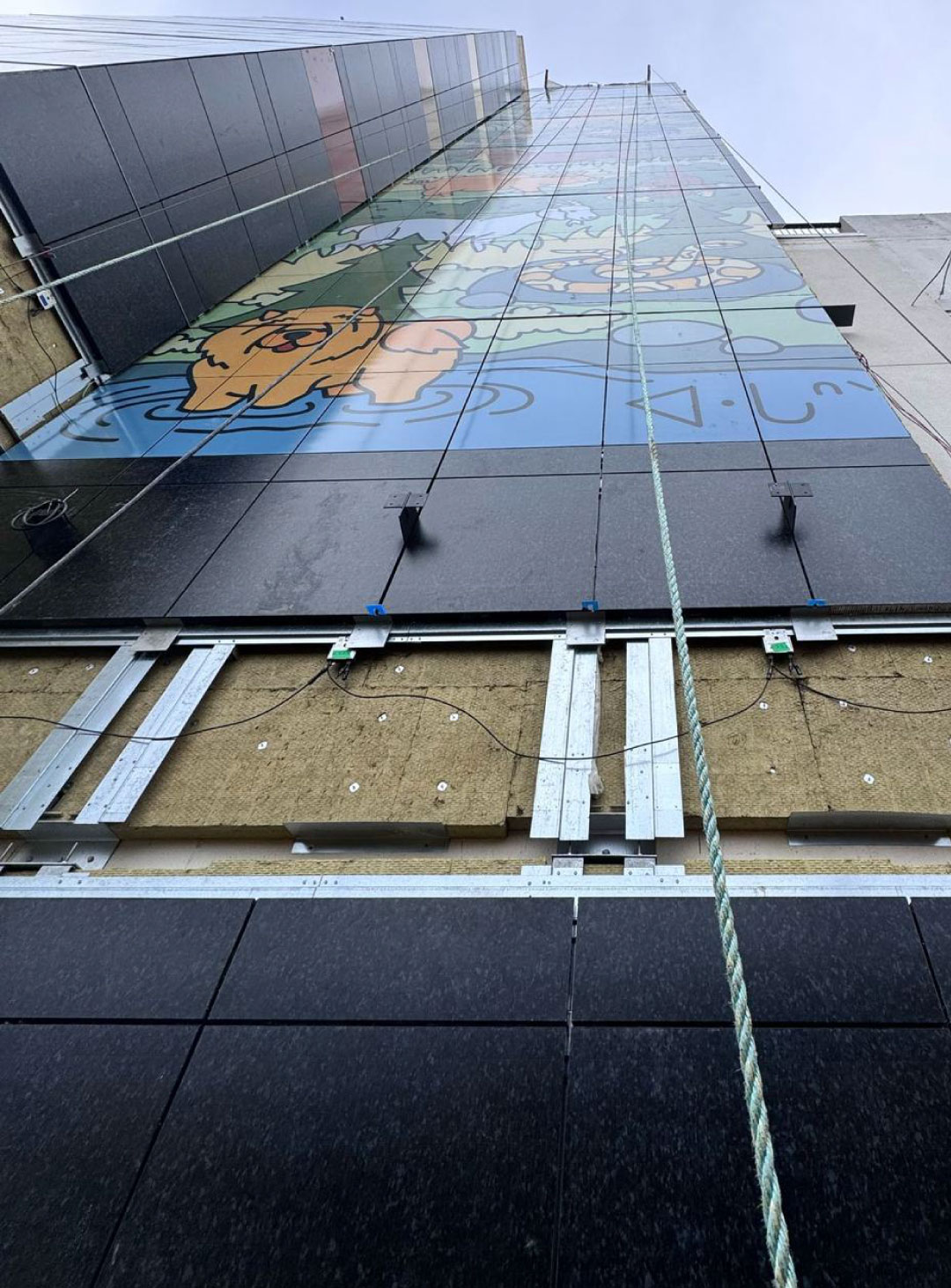
This guide outlines the full retrofit process for integrating Mitrex building-integrated photovoltaics (BIPV) into existing facades. It walks property owners and contractors through evaluating retrofit goals, structural assessment, code compliance, design assist, installation sequencing, long-term maintenance, and quality assurance, supported with real-world examples from Mitrex retrofit projects.
This guide outlines the full retrofit process for integrating Mitrex building-integrated photovoltaics (BIPV) into existing facades. It walks property owners and contractors through evaluating retrofit goals, structural assessment, code compliance, design assist, installation sequencing, long-term maintenance, and quality assurance, supported with real-world examples from Mitrex retrofit projects.

.svg)
