
BIPV
August 30, 2023
In the quest for a greener and more sustainable building design, the integration of Building-Integrated Photovoltaics (BIPV) is proving to be a game-changer for commercial buildings across various industries. BIPV's ability to seamlessly blend solar technology into construction materials offers a multitude of possibilities, making it applicable to a wide range of commercial structures. Let's explore some key sectors where BIPV can be applied with remarkable results:
Office buildings are a prime candidate for BIPV integration. With large surface areas for facades and railings, these structures can efficiently harness solar energy while reducing their carbon footprint. BIPV-integrated cladding and balcony railings can transform these conventional buildings into sustainable power generators, offering sustainable building design and renewable energy for their own operations.
Shopping malls and retail centers typically have expansive facades ideal for BIPV installations. By incorporating solar panels into these surfaces, retail establishments can generate clean energy while lowering their energy costs, thus enhancing their environmental image with sustainable building design and appealing to eco-conscious shoppers.
Data centers are known for their substantial energy consumption due to the constant operation of servers and cooling systems. By integrating BIPV solutions into the exterior walls, data centers can offset a significant portion of their energy needs with solar power, reducing their environmental impact and operational costs.
The hospitality industry, including hotels and resorts, can benefit from Building-Integrated Photovoltaics to demonstrate their commitment to sustainable tourism. BIPV cladding and balcony railings can power lighting and other electrical needs while creating a unique and eco-friendly ambiance for guests.
Schools, colleges, and universities can set a powerful example by integrating BIPV into their buildings. As educational institutions play a crucial role in shaping future generations, showcasing renewable energy solutions can raise awareness and inspire students and faculty to embrace sustainable building design and practices.
Stadiums, convention centers, and entertainment venues that often consume substantial amounts of electricity can significantly benefit from BIPV technology. By integrating solar panels into their structures, these venues can generate clean energy, reduce operating costs, and create a positive environmental impact during large-scale events.
Hospitals and healthcare centers operate 24/7 and have high energy demands. Sustainable building design with BIPV integration can help these institutions become more energy-independent and improve their operations while reinforcing their commitment to public health and environmental well-being. Building-Integrated Photovoltaics (BIPV) is a versatile and sustainable solution that can be applied to a wide array of commercial structures. From office buildings to data centers, retail centers to educational institutions, BIPV offers significant environmental and economic benefits. As Mitrex continues to pioneer solar integration solutions, the implementation of Building-Integrated Photovoltaics in various commercial buildings will undoubtedly contribute to a greener and more sustainable future for all industries. Embracing this technology demonstrates a commitment to environmental stewardship, making it a key aspect of sustainable building design in the modern world.
News & Articles
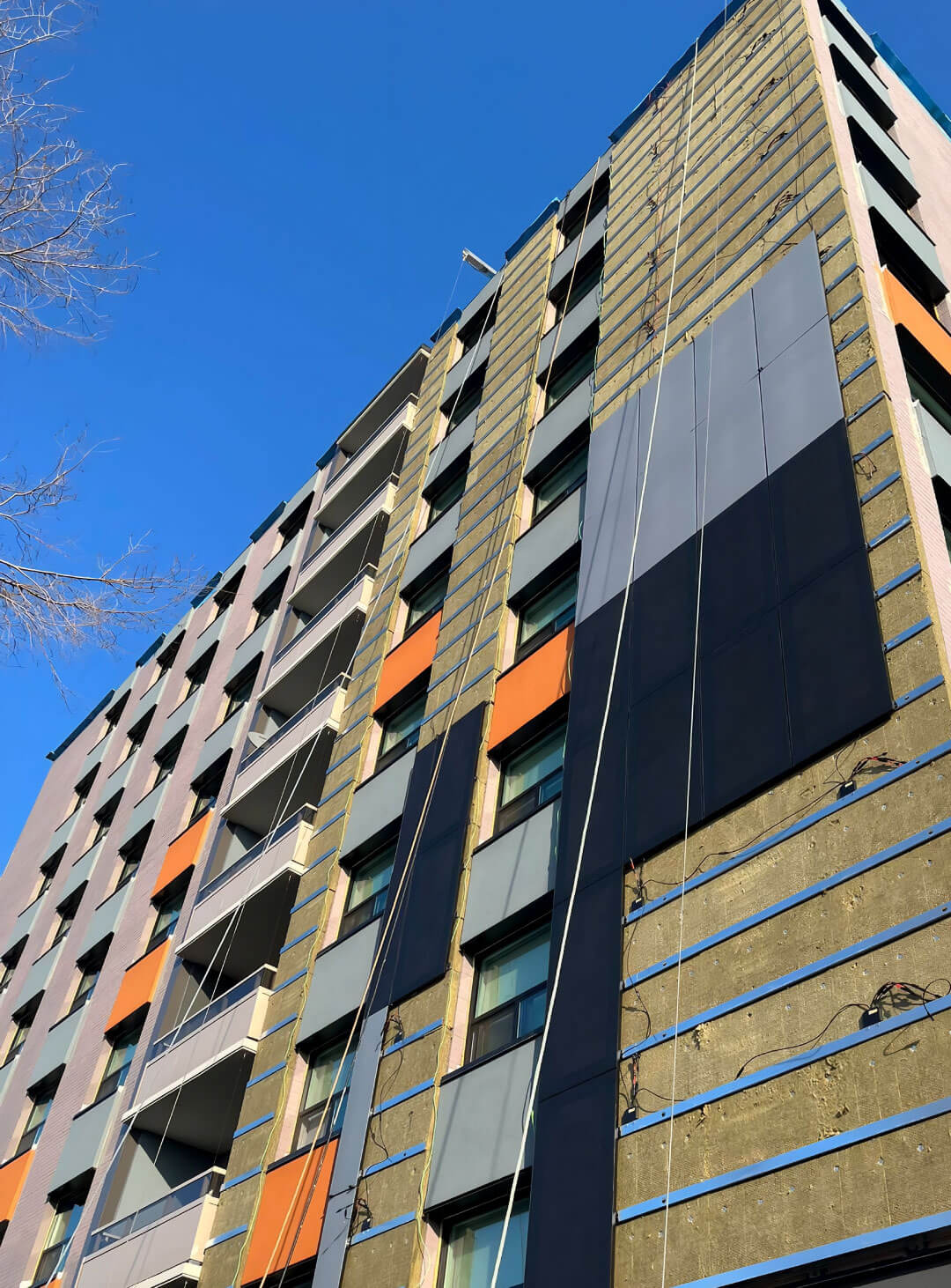

A solar facade module is only as good as the system that holds it to the building. Mitrex offers three core installation systems, CladiShield, Claditized, and CladiFab, plus product-specific hardware for eFacade TILT and eFacade LITE, each suited to different project types, schedules, and architectural goals. This piece breaks down how each system works and where it fits.
A solar facade module is only as good as the system that holds it to the building. Mitrex offers three core installation systems, CladiShield, Claditized, and CladiFab, plus product-specific hardware for eFacade TILT and eFacade LITE, each suited to different project types, schedules, and architectural goals. This piece breaks down how each system works and where it fits.
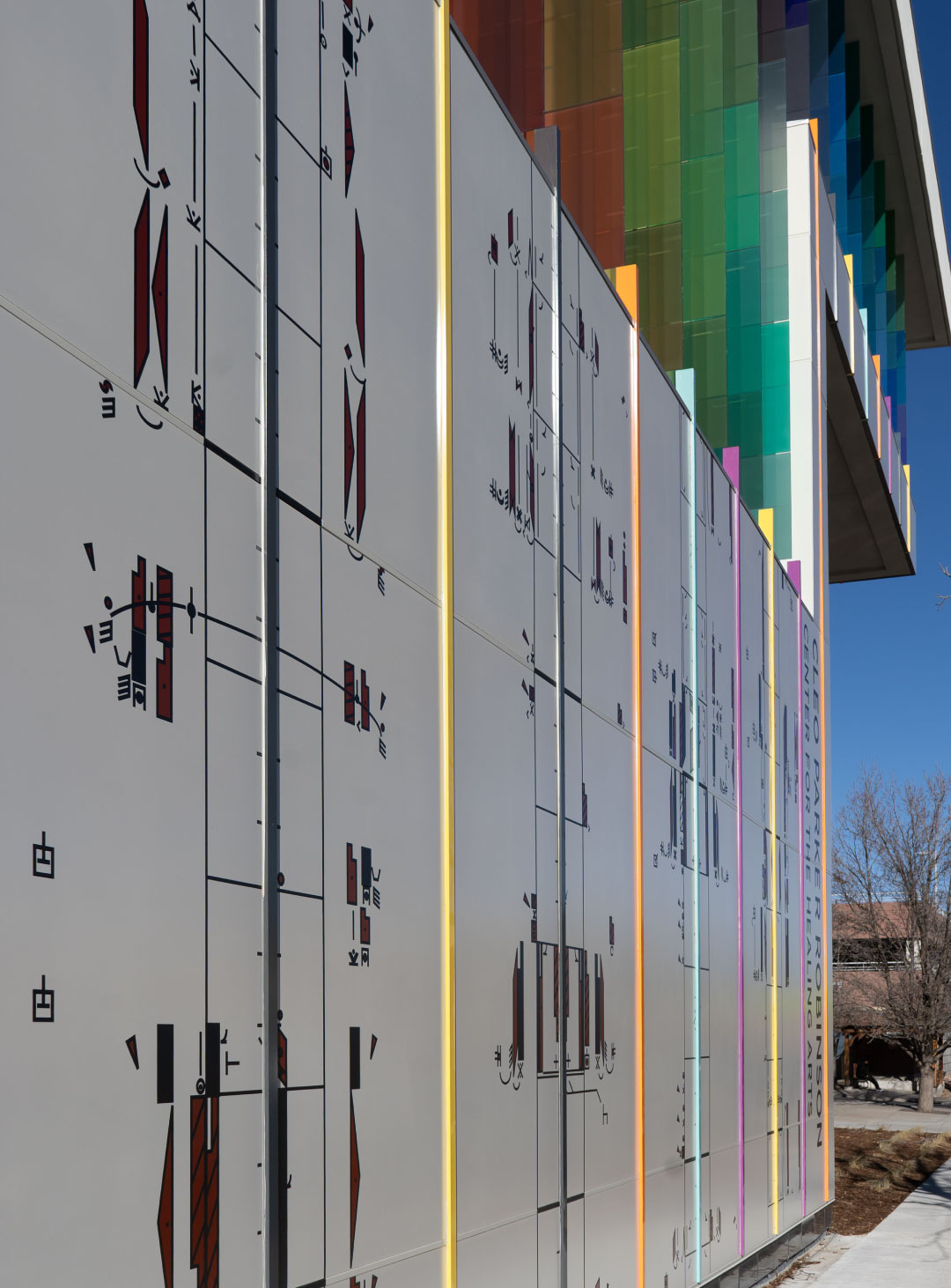
In commercial construction, even minor delays can carry significant consequences. Tight schedules, multiple trades, evolving site conditions, and coordination across disciplines leave little room for systems that require extensive customization or specialized installation practices. Historically, Building-Integrated Photovoltaics have been perceived as complex, innovative in concept but challenging to execute. At Mitrex, we've taken a different approach. Our goal has always been to make solar facades function like a true building material: practical to install, responsive to real-world construction conditions, and adaptable to the needs of modern projects.
In commercial construction, even minor delays can carry significant consequences. Tight schedules, multiple trades, evolving site conditions, and coordination across disciplines leave little room for systems that require extensive customization or specialized installation practices. Historically, Building-Integrated Photovoltaics have been perceived as complex, innovative in concept but challenging to execute. At Mitrex, we've taken a different approach. Our goal has always been to make solar facades function like a true building material: practical to install, responsive to real-world construction conditions, and adaptable to the needs of modern projects.
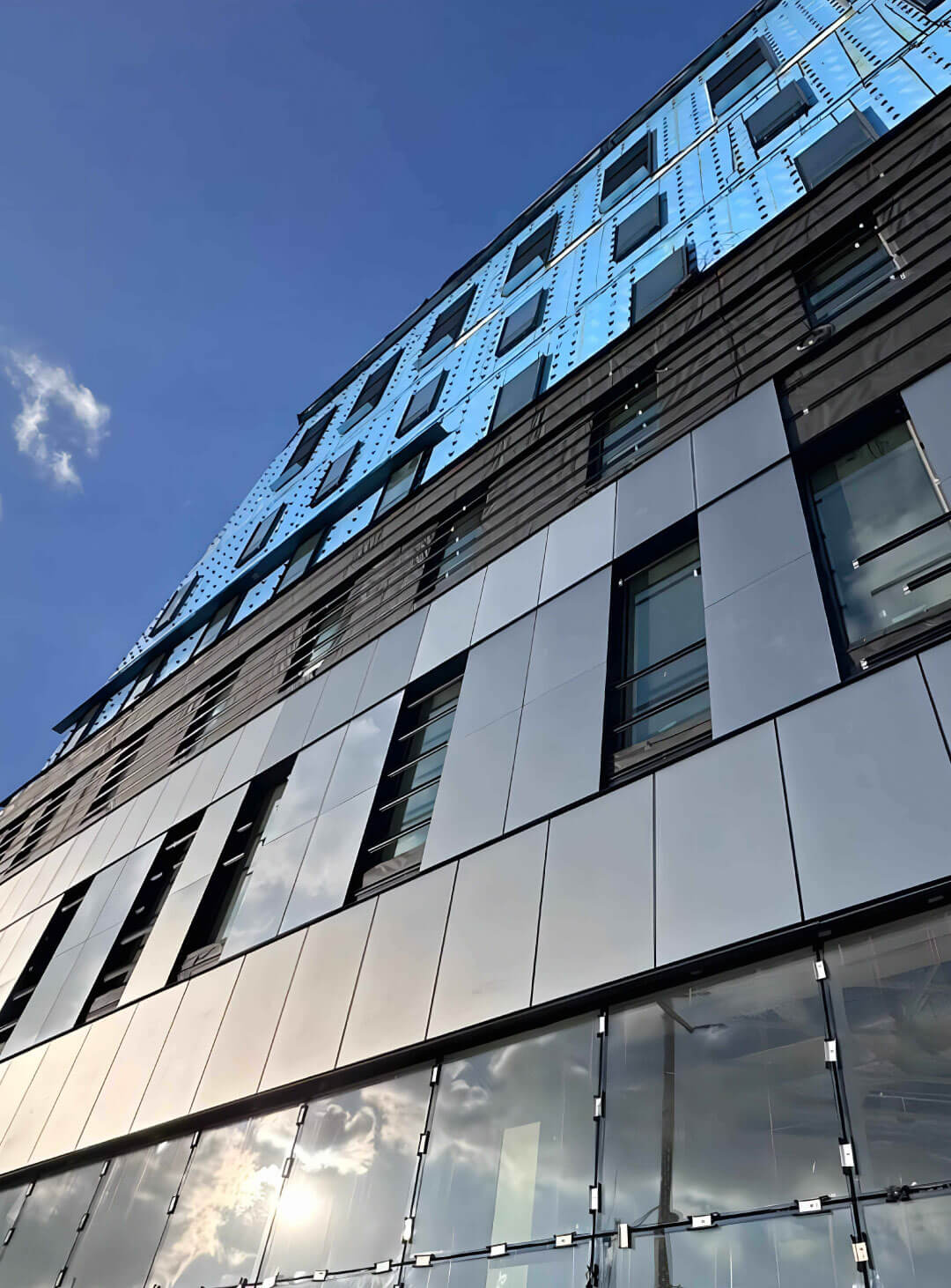
Mitrex solar facades combine the function of building cladding with long-term on-site energy generation, transforming the building envelope into an income-generating asset. While upfront costs may exceed conventional materials in some scenarios, stacked incentives, operational savings, and long-term durability significantly improve lifecycle value and payback performance.
Mitrex solar facades combine the function of building cladding with long-term on-site energy generation, transforming the building envelope into an income-generating asset. While upfront costs may exceed conventional materials in some scenarios, stacked incentives, operational savings, and long-term durability significantly improve lifecycle value and payback performance.

.svg)
