
As the demand for sustainable and renewable energy sources grows, integrated solar technology is transforming residential homes. Integrated solar solutions seamlessly incorporate solar panels into various aspects of residential buildings, offering homeowners the opportunity to generate clean energy while maintaining the aesthetic appeal of their homes. In this blog, we will explore the innovative solutions and benefits of Building-integrated photovoltaics (BIPV) for residential homes.
Solar facades are another innovative solution for residential homes. These integrated solar panels are incorporated into the building's facade or cladding materials, transforming the exterior into a power-generating surface. Solar facades offer both energy generation and aesthetic appeal, creating visually striking homes while reducing dependence on traditional energy sources.
Solar railings are the latest addition to the growing family of solar-integrated solutions. These railings, often installed in outdoor spaces such as balconies, decks, or staircases, are equipped with embedded solar panels that capture sunlight and convert it into usable electricity. The sleek design of solar railings seamlessly combines safety and functionality with renewable energy generation.
Integrated solar technology often includes energy storage solutions to optimize energy usage and provide power during periods of low solar availability. Energy storage systems, such as batteries, allow homeowners to store excess solar energy generated during the day for use at night or during times of high energy demand. This ensures a continuous and reliable power supply, reducing reliance on the grid and increasing self-consumption.
Building-integrated photovoltaics (BIPV) are transforming residential homes, offering homeowners the opportunity to generate clean energy while preserving the aesthetic appeal of their properties. With innovative solutions such as solar facades and railings, homeowners can harness the power of the sun to reduce their reliance on traditional energy sources. Alongside energy cost savings, increased property value, and environmental sustainability, this technology promotes a more sustainable and brighter future for residential homes.
News & Articles
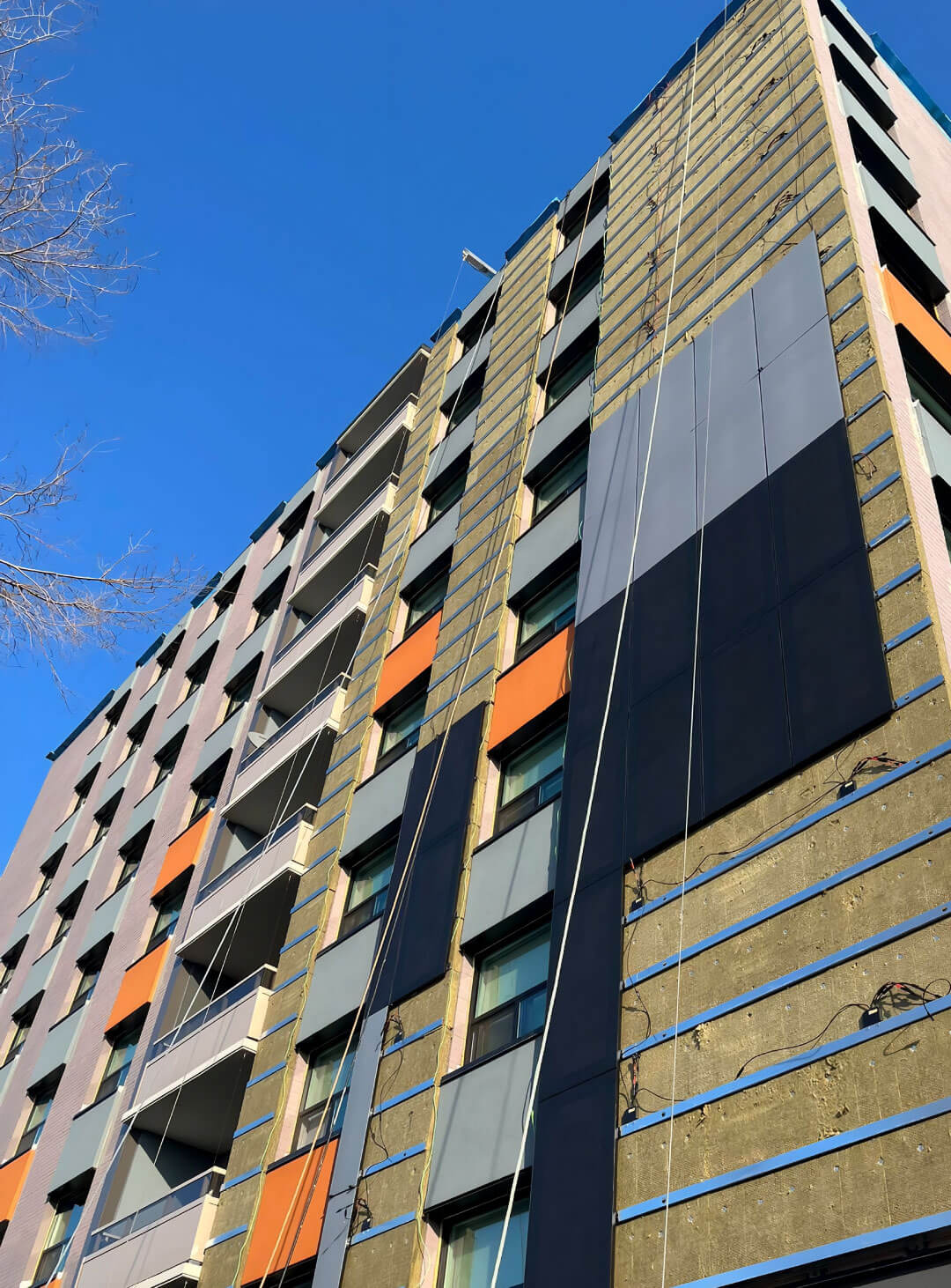

A solar facade module is only as good as the system that holds it to the building. Mitrex offers three core installation systems, CladiShield, Claditized, and CladiFab, plus product-specific hardware for eFacade TILT and eFacade LITE, each suited to different project types, schedules, and architectural goals. This piece breaks down how each system works and where it fits.
A solar facade module is only as good as the system that holds it to the building. Mitrex offers three core installation systems, CladiShield, Claditized, and CladiFab, plus product-specific hardware for eFacade TILT and eFacade LITE, each suited to different project types, schedules, and architectural goals. This piece breaks down how each system works and where it fits.
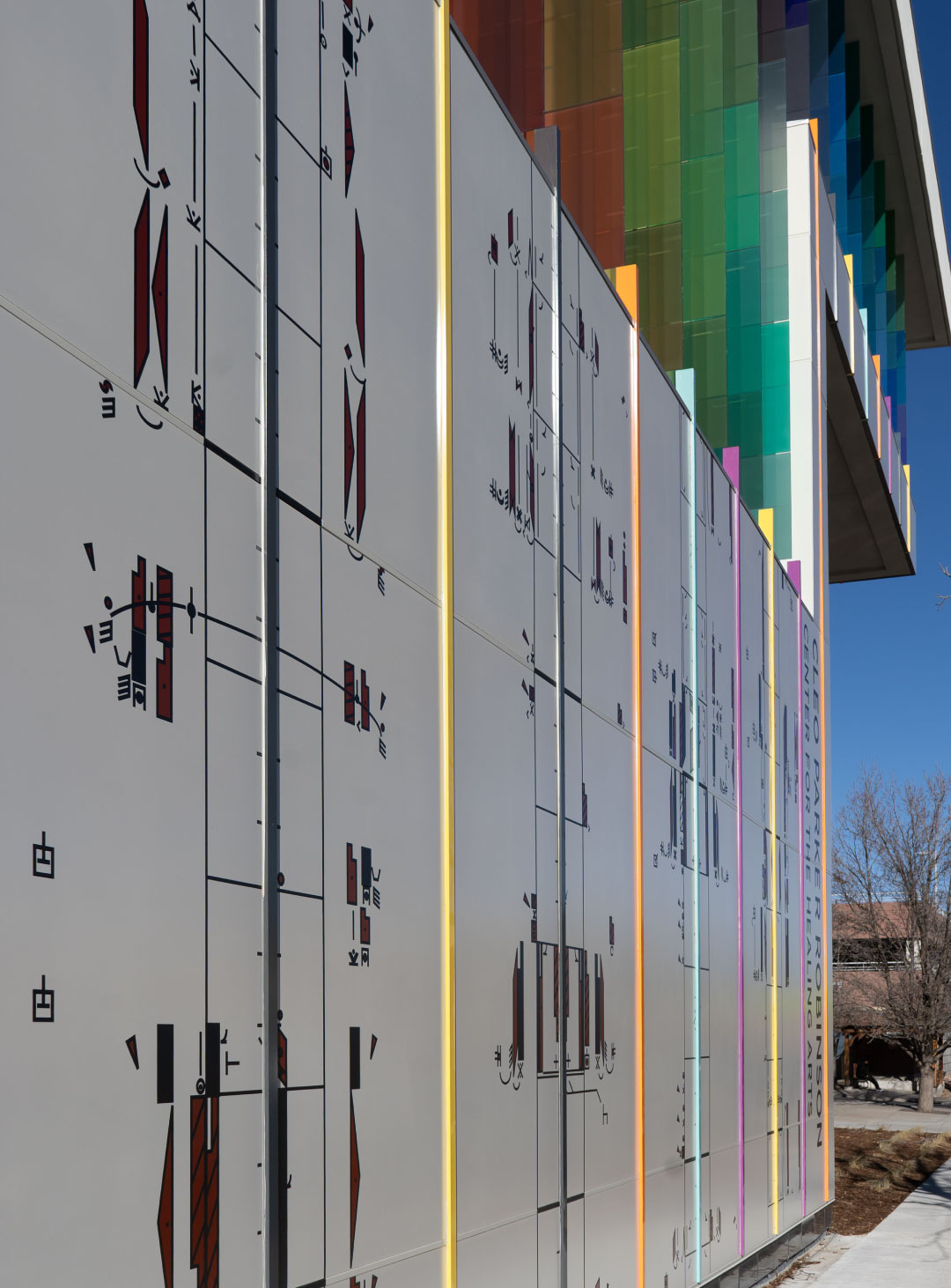
In commercial construction, even minor delays can carry significant consequences. Tight schedules, multiple trades, evolving site conditions, and coordination across disciplines leave little room for systems that require extensive customization or specialized installation practices. Historically, Building-Integrated Photovoltaics have been perceived as complex, innovative in concept but challenging to execute. At Mitrex, we've taken a different approach. Our goal has always been to make solar facades function like a true building material: practical to install, responsive to real-world construction conditions, and adaptable to the needs of modern projects.
In commercial construction, even minor delays can carry significant consequences. Tight schedules, multiple trades, evolving site conditions, and coordination across disciplines leave little room for systems that require extensive customization or specialized installation practices. Historically, Building-Integrated Photovoltaics have been perceived as complex, innovative in concept but challenging to execute. At Mitrex, we've taken a different approach. Our goal has always been to make solar facades function like a true building material: practical to install, responsive to real-world construction conditions, and adaptable to the needs of modern projects.
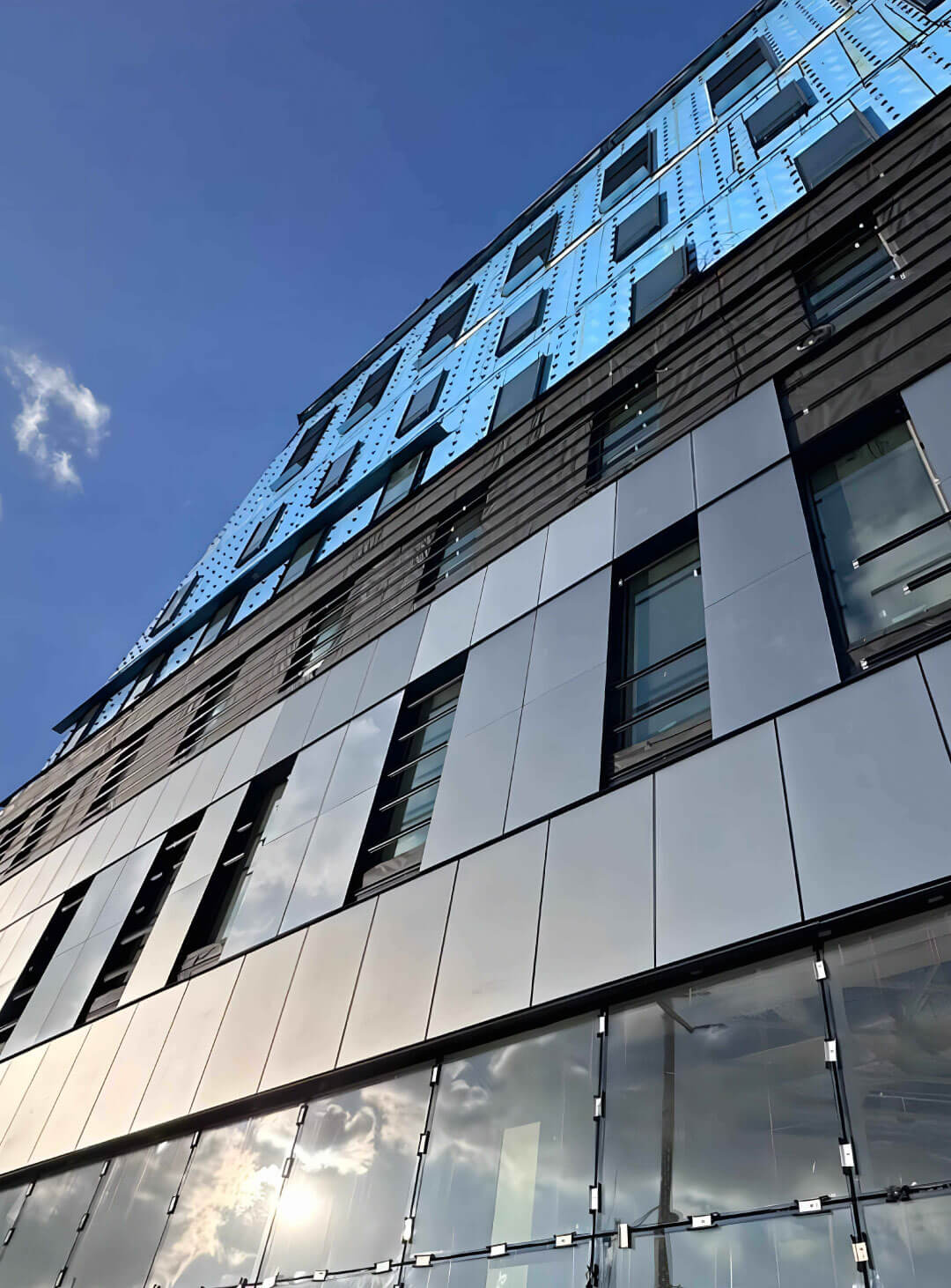
Mitrex solar facades combine the function of building cladding with long-term on-site energy generation, transforming the building envelope into an income-generating asset. While upfront costs may exceed conventional materials in some scenarios, stacked incentives, operational savings, and long-term durability significantly improve lifecycle value and payback performance.
Mitrex solar facades combine the function of building cladding with long-term on-site energy generation, transforming the building envelope into an income-generating asset. While upfront costs may exceed conventional materials in some scenarios, stacked incentives, operational savings, and long-term durability significantly improve lifecycle value and payback performance.

.svg)
