
BIPV
August 16, 2023
As our world seeks sustainable solutions for a brighter future, architects and designers play a pivotal role in shaping environmentally conscious buildings. One such innovative trend that has been gaining momentum in recent years is Building-Integrated Photovoltaics (BIPV). In this blog post, we explore the exciting possibilities that BIPV solutions offer, transforming modern architectural designs.
Building-Integrated Photovoltaics allow architects to unleash their creativity while integrating solar elements into the very fabric of a building. No longer do we need to tolerate unattractive rooftop solar panels that compromise a building's aesthetic appeal. Today, solar cladding and balcony railings can double as solar power generators, adding a touch of elegance to any structure. With an array of design options available, architects can tailor BIPV solutions to harmonize seamlessly with the overall architectural vision.
Traditional architectural designs often struggle to balance energy efficiency with aesthetics. However, integrated solar technology offers a win-win scenario, providing both form and function. By harnessing the power of the sun, these integrated solar elements contribute significantly to a building's energy requirements, reducing dependence on conventional power sources. Incorporating BIPV can result in net-zero energy buildings or even generate surplus energy that can be fed back into the grid.
BIPV solutions utilize advanced technologies to transform building materials into active power generators. Solar cells embedded within cladding or railings efficiently capture solar energy throughout the day. Integrating these sustainable materials into the construction process reduces the building's carbon footprint and showcases a commitment to environmentally responsible practices.
As the world moves towards sustainable practices, green certifications and incentives are becoming increasingly significant in the construction industry. Buildings designed with BIPV solutions stand a higher chance of achieving LEED, environmental, social, and governance (ESG), or other green certifications due to their energy-efficient and eco-friendly attributes. Moreover, many governments and municipalities offer incentives, tax credits, and rebates to encourage the adoption of renewable energy technologies, providing additional benefits for both building owners and occupants.
BIPV solutions empower building owners to take control of their energy needs and costs. By generating clean energy on-site, they can reduce reliance on the grid and volatile energy markets. This independence not only contributes to environmental conservation but also offers long-term financial savings, making BIPV-equipped buildings a wise investment. Incorporating BIPV solutions in modern architectural designs represents a paradigm shift in the construction industry. The integration of sustainable technology with innovative design opens up a realm of possibilities that are both inspiring and eco-conscious. As architects and designers embrace the potential of integrated solar technology, we can look forward to a greener, more sustainable urban landscape where every building serves as a beacon of hope for a brighter and cleaner future.
News & Articles
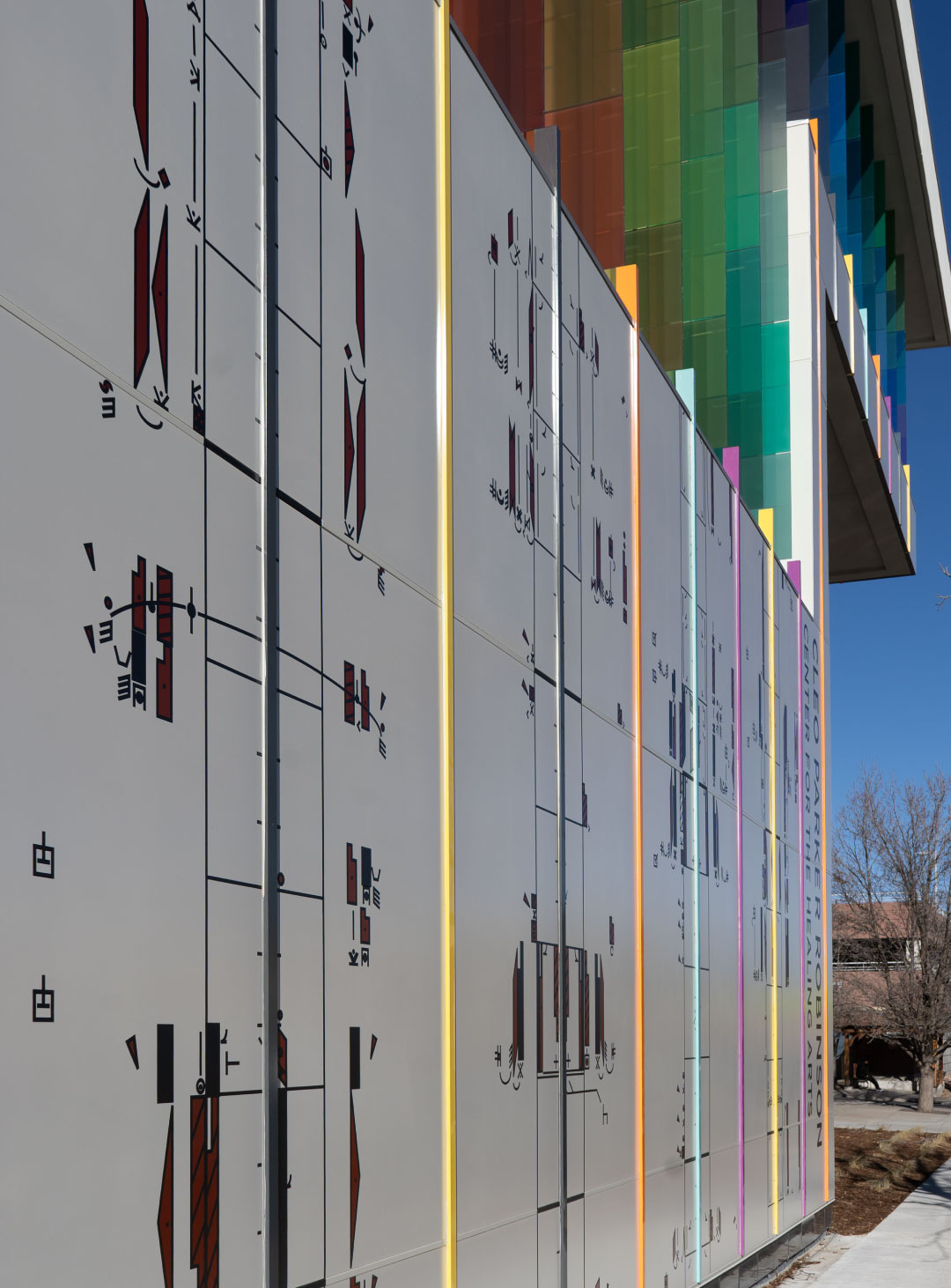

In commercial construction, even minor delays can carry significant consequences. Tight schedules, multiple trades, evolving site conditions, and coordination across disciplines leave little room for systems that require extensive customization or specialized installation practices. Historically, Building-Integrated Photovoltaics have been perceived as complex, innovative in concept but challenging to execute. At Mitrex, we've taken a different approach. Our goal has always been to make solar facades function like a true building material: practical to install, responsive to real-world construction conditions, and adaptable to the needs of modern projects.
In commercial construction, even minor delays can carry significant consequences. Tight schedules, multiple trades, evolving site conditions, and coordination across disciplines leave little room for systems that require extensive customization or specialized installation practices. Historically, Building-Integrated Photovoltaics have been perceived as complex, innovative in concept but challenging to execute. At Mitrex, we've taken a different approach. Our goal has always been to make solar facades function like a true building material: practical to install, responsive to real-world construction conditions, and adaptable to the needs of modern projects.
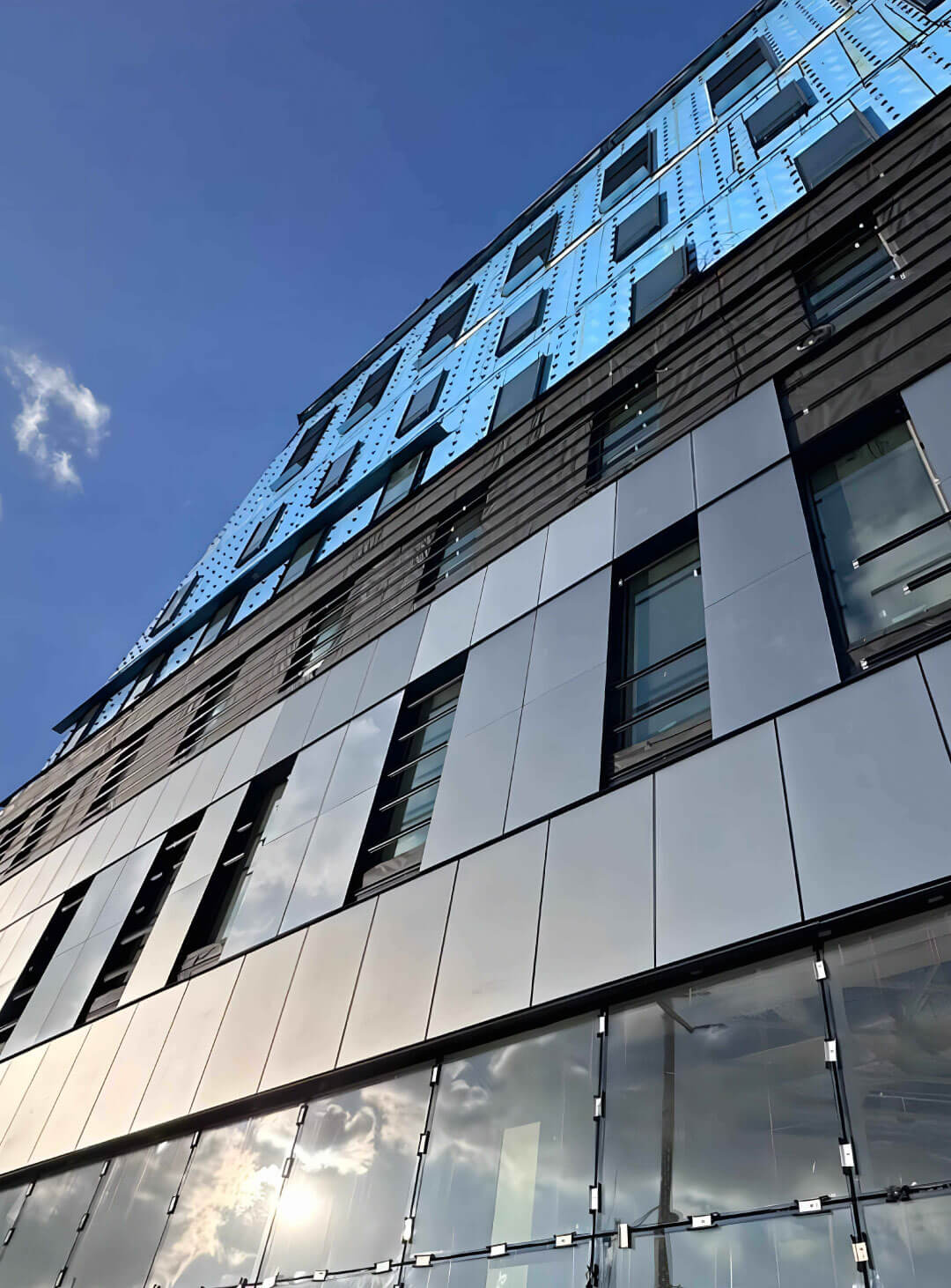
Mitrex solar facades combine the function of building cladding with long-term on-site energy generation, transforming the building envelope into an income-generating asset. While upfront costs may exceed conventional materials in some scenarios, stacked incentives, operational savings, and long-term durability significantly improve lifecycle value and payback performance.
Mitrex solar facades combine the function of building cladding with long-term on-site energy generation, transforming the building envelope into an income-generating asset. While upfront costs may exceed conventional materials in some scenarios, stacked incentives, operational savings, and long-term durability significantly improve lifecycle value and payback performance.

Mitrex solar facades are backed by a lifetime product warranty and a 25-year performance warranty, ensuring both material integrity and long-term energy output. With optional labour coverage for full-scope installations, this article explains how Mitrex warranties provide confidence, reduce project risk, and support long-term asset performance
Mitrex solar facades are backed by a lifetime product warranty and a 25-year performance warranty, ensuring both material integrity and long-term energy output. With optional labour coverage for full-scope installations, this article explains how Mitrex warranties provide confidence, reduce project risk, and support long-term asset performance

.svg)
